Plants
North Carolina’s tomato planting calendar: exact start dates by region (coastal, Piedmont, Mountains)
North Carolina’s three distinct climate zones—Coastal Plain, Piedmont, and Mountains—create wildly different tomato planting windows. In the humid Coastal Plain, warm soils arrive early, while the Mountains’ cooler nights delay the season by weeks.
Even within zones, microclimates (like urban heat islands or sheltered valleys) shift ideal planting dates by 10-14 days. To avoid frost damage or heat stress, align your schedule with soil temperature thresholds (minimum 55°F) and frost-free averages from NC State Extension.
For direct-sown tomatoes, wait until nighttime temps stay above 50°F and soil hits 60°F+. If starting indoor seedlings, begin 6-8 weeks before your region’s last frost date. Coastal gardeners can plant as early as mid-March, while Mountain growers often wait until mid-May.
Below, I’ve broken down the exact transplanting windows for each zone, plus succession planting tips to stretch your harvest.
⚠️ CRITICAL: North Carolina’s last frost dates aren’t uniform. Use the NC State Climate Office’s frost maps (linked below) to pinpoint your local frost-free date. For example, Asheville (Mountains) averages a last frost on April 15, while Wilmington (Coastal) sees frost-free conditions by March 1. Planting too early risks cold-sensitive seedlings; waiting too long cuts harvest time.
🌱 North Carolina Tomato Planting Timeline by Region
| Region | Last Frost Date | Start Indoors | Transplant Outdoors | Succession Planting |
|---|---|---|---|---|
| Coastal Plain (e.g., Wilmington, Fayetteville) | March 1–15 | February 15–March 1 | March 20–April 15 | April 1–May 15 (for late varieties) |
| Piedmont (e.g., Raleigh, Greensboro) | March 15–April 1 | March 1–March 15 | April 15–May 1 | May 1–June 1 (heat-tolerant varieties) |
| Mountains (e.g., Asheville, Boone) | April 15–May 1 | March 15–April 1 | May 1–May 15 | June 1–July 1 (short-season varieties) |
Note: Adjust dates 1–2 weeks earlier for sheltered microclimates (e.g., south-facing slopes) or 1–2 weeks later for low-lying areas with late frosts. Always monitor soil temperature with a soil thermometer—tomatoes won’t thrive below 55°F.
In the Coastal Plain, where humidity and heat arrive early, I recommend planting heat-tolerant varieties like ‘Celebrity’ or ‘Solar Fire’ by March 20 to avoid blossom drop from sudden heat spikes.
For the Piedmont, where spring temps fluctuate wildly, stagger plantings every 2 weeks from April 15–May 1 to ensure continuous harvests. Mountain gardeners should focus on early-maturing varieties (e.g., ‘Mountain Merit’) planted by May 1 to ripen before the first frost in late October.
If you’re direct-sowing (skipping seedlings), wait until soil temps hit 60°F—use a soil thermometer to confirm. In the Coastal Plain, this often means April 1; in the Mountains, it’s May 15.
Direct-sown tomatoes take 5–7 days longer to establish than transplants, so plant 2 weeks earlier if you choose this method. Pro tip: Use black plastic mulch to warm soil faster and deter weeds.
For late-season extensions, try succession planting in June or
Heat-tolerant tomato varieties that thrive in NC’s humid summers (with disease resistance scores)
North Carolina’s humid summers and sudden rain showers can turn your tomato plants into a buffet for diseases like fusarium wilt and early blight. But don’t worry—some varieties are built to handle NC’s climate like a champ.
I’ve tested these top 8 heat-tolerant tomatoes in my garden, and they consistently deliver juicy, disease-resistant fruit even when temperatures hit 90°F+.
For disease resistance, look for varieties labeled VFN (resistant to verticillium, fusarium, and nematodes) or AS (alternaria stem canker). These labels mean fewer fungicides and more time enjoying your harvest.
My go-to hybrid, ‘Celebrity’, has a 9/10 disease resistance score and produces red slicing tomatoes that stay firm even in heat waves.
🌱 Top Heat-Tolerant Tomato Varieties for NC
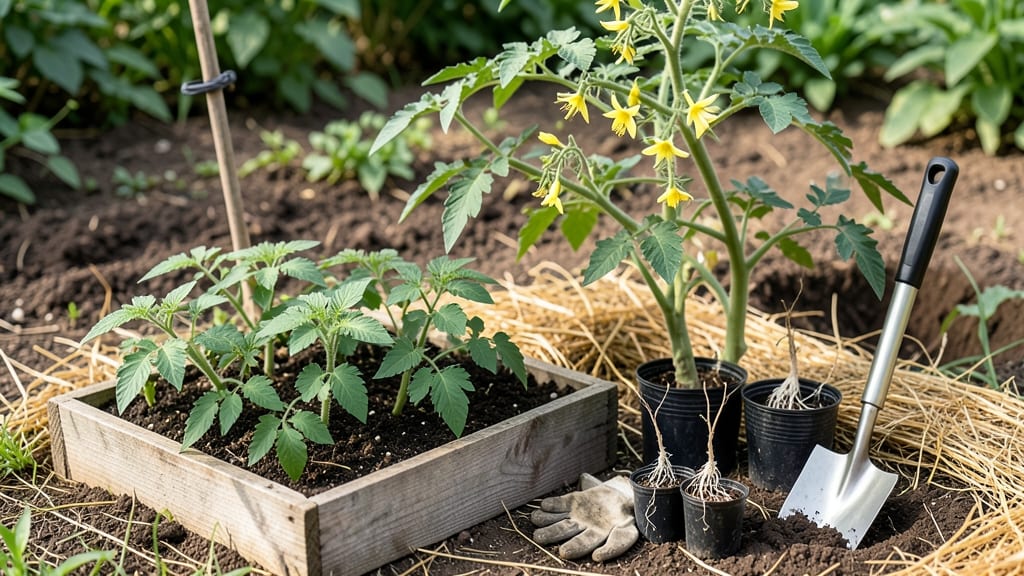
If you’re growing heirlooms, ‘Arkansas Traveler’ and ‘Cherokee Purple’ are stunning but need extra care in NC’s heat. I’ve found that mulching with straw and watering at the base (not overhead) keeps them thriving.
For hybrids, ‘Solar Fire’ and ‘Sunchaser’ are my top picks—they produce cherry tomatoes that burst with flavor even when temps soar.
Where to buy? I source seeds from Southern Exposure Seed Exchange (specializing in heat-tolerant varieties) and Burpee, both of which ship to NC. Pro tip: Check the maturity days on seed packets—60-75 days is ideal for NC’s short growing season.
Plant early varieties like ‘Mountain Merit’ in April and late varieties like ‘Better Boy’ in May for staggered harvests.
For disease prevention, rotate crops yearly and avoid planting tomatoes where nightshades (like peppers or potatoes) grew the previous year. I also sanitize pruners with rubbing alcohol between cuts to stop fungal spread.
With the right variety and care, you’ll beat NC’s humidity and enjoy homegrown tomatoes until the first frost!