
Planting
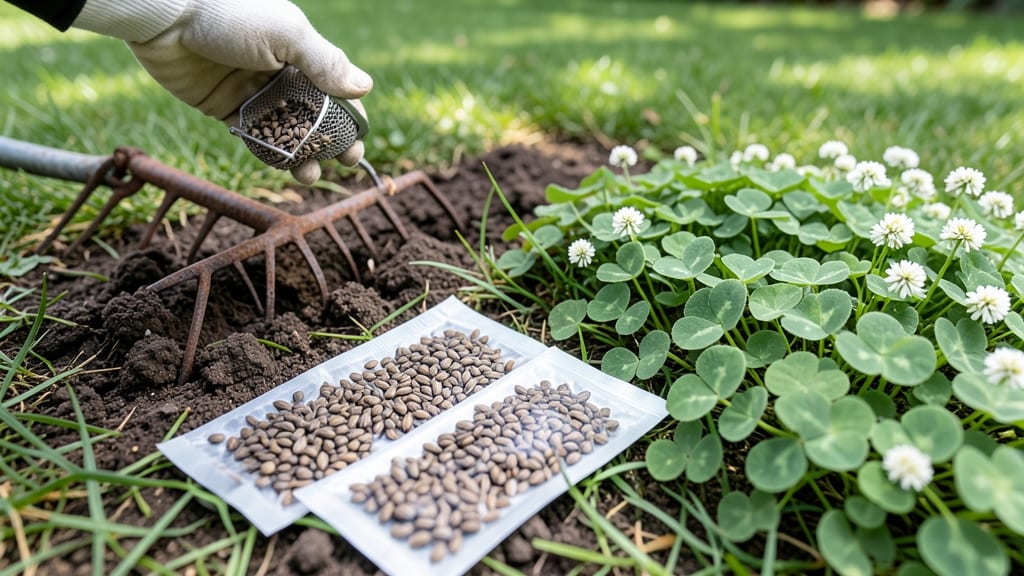
Deciding when to plant clover in your lawn can feel like a guessing game—spring or fall? The truth is, your choice makes all the difference for fast root growth and a lush, drought-resistant lawn. Clover thrives when planted in cooler months, but timing depends on your climate zone.
For most regions, like USDA Zone 6a, early spring or early fall offers the perfect balance of mild soil temperatures and steady moisture. Planting in these windows helps clover establish roots quickly before summer heat or winter dormancy sets in.
This simple shift can mean the difference between a patchy lawn and one that stays vibrant year-round.
I’ve tested both approaches, and here’s what I’ve learned: spring planting gives clover a head start for summer growth, while fall planting strengthens roots before winter. Either way, proper soil prep and consistent watering are the key to success. Let’s break down the best strategy for your lawn.
Ready to transform your yard? You’ll discover exactly how to time your planting, prep your soil, and keep clover thriving—no matter which season you choose. Let’s get started.
Best time to plant clover in lawns: spring vs fall comparison
Choosing the right time to plant clover in your lawn can mean the difference between a lush, green carpet and struggling seedlings. The two most popular windows are early spring and late fall, each offering unique benefits depending on your USDA hardiness zone and local climate.
In cooler climates (zones 3-6), early spring planting (March-April) gives clover a head start before summer heat arrives. Meanwhile, warmer regions (zones 7-10) often see better success with fall planting (September-October), allowing roots to establish before winter dormancy.
Let's break down the key factors for each planting window so you can make an informed decision for your specific conditions.
🌱 Spring vs Fall Planting Comparison
| Factor | Spring Planting | Fall Planting |
|---|---|---|
| Best Months | March-April | September-October |
| Ideal Soil Temp | 50-60°F | 55-65°F |
| Weed Competition | Moderate (spring weeds) | Low (weeds dormant) |
| Root Establishment | Slower (summer stress) | Faster (cool roots) |
| Water Needs | High (summer heat) | Moderate (fall rains) |
| Best For Zones | 3-6 (cooler) | 7-10 (warmer) |
For northern climates, spring planting gives clover time to establish before summer drought sets in. The key is to plant as soon as soil is workable (around 50°F) and before weeds take over.
I've found that white clover varieties often perform best in these conditions due to their cold tolerance.
In southern regions, fall planting is ideal because it allows clover to establish roots before winter rains arrive. The cooler temperatures reduce water stress and pest pressure, giving seedlings a better chance to thrive. Aim for planting 6-8 weeks before first frost for optimal results.
One critical factor often overlooked is soil moisture during germination. Spring planting requires more frequent watering to combat summer dry spells, while fall planting benefits from natural rainfall patterns in many regions. I recommend testing your soil moisture before planting to determine which window suits your local conditions best.
Regardless of when you plant, always choose high-quality clover seed with at least 90% purity. For spring planting, look for dormant seed varieties that can handle temperature fluctuations, while fall plantings benefit from non-dormant seeds that germinate quickly in cooler soils.
Remember that microclimates within your lawn can also affect success. Shady areas may benefit from fall planting, while sunny spots might do better in spring. Always observe your lawn's specific conditions before making a final decision.
For those in transition zones (6-7), I recommend trying both seasons on small test patches to see which performs better in your specific microclimate. This hands-on approach often reveals surprising results based on local weather patterns.
Best time to plant clover in lawns: spring vs fall comparison
Choosing between spring and fall planting for clover depends on your climate zone and local weather patterns. Both seasons offer advantages, but timing affects root establishment, weed competition, and long-term success. Let’s break down the pros and cons of each window to help you decide.
In cooler climates (USDA Zones 3-5), early spring planting (March-April) gives clover a 6-8 week head start before summer heat. Meanwhile, warmer regions (Zones 6-10) often prefer late summer/early fall (August-September) to avoid drought stress.
Your local last frost date is your best guide—plant when soil temps hit 50-65°F.
Here’s how each season compares for clover growth:
The fall window (September-October) often wins for drought-prone areas because cooler temps and natural rainfall reduce irrigation needs. However, if you’re in a northern zone with early freezes, aim for late August to give roots time to anchor before winter.
For spring planting (March-April), focus on early varieties like Dutch white clover, which tolerate cooler soils. Avoid planting too late in spring—June sowing risks heat stress and poor germination. Always test soil moisture before planting; clover seeds need consistent dampness to sprout.
Pro tip: Mix clover seeds with a light topsoil (¼ inch deep) and use a lawn roller to ensure seed-to-soil contact. This works for both seasons! 🌱