Planting
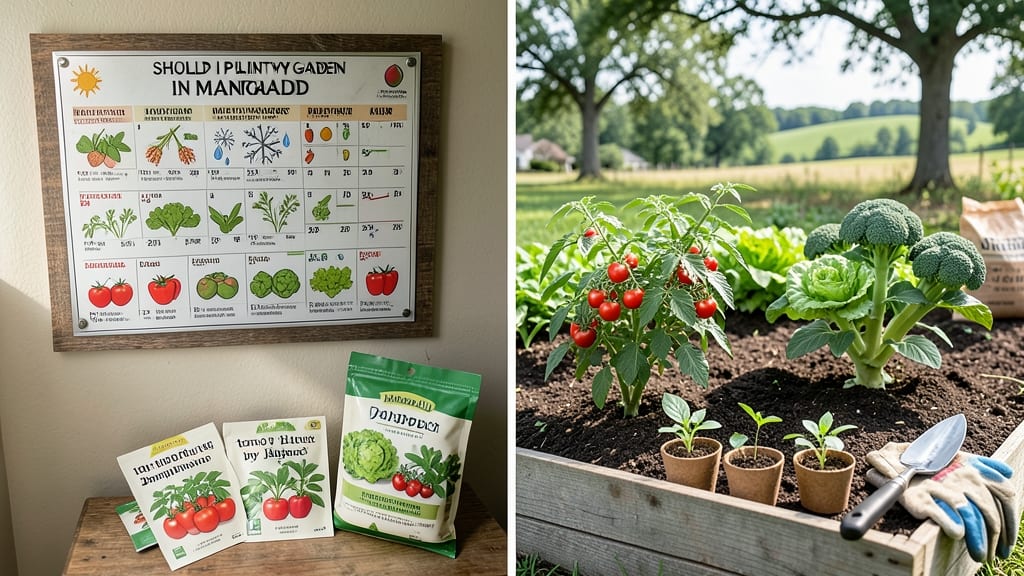
If you’ve ever stared at a seed packet wondering, "when should I plant my garden in Maryland", you’re not alone—Maryland’s shifting spring weather makes timing everything.
One week of warm sunshine can fool you into planting too early, only for a late frost to wipe out your hard work in a matter of hours.
But here’s the good news: with the right strategy, you can outsmart Maryland’s unpredictable climate. Whether you’re growing cold-hardy greens like spinach or heat-loving tomatoes, knowing the exact windows for planting makes all the difference.
I’ll walk you through the best times to start seeds, transplant seedlings, and even adjust for raised beds or containers—so you can enjoy a bountiful harvest from spring through fall.
The key is understanding your local frost dates and soil conditions, especially since Maryland’s zones range from 5b to 7a. For example, Baltimore’s urban heat islands can delay frost, while the Eastern Shore might see earlier freezes.
Let’s break down the perfect planting schedule so you never miss a season again.
From peonies that thrive in Maryland’s spring soil to tomatoes that need warmth to take off, I’ll cover everything you need to know. Ready to turn your garden into a thriving oasis? Let’s get started.
Maryland planting zones & best times for cold-hardy vegetables
Maryland spans USDA zones 5b to 7a, meaning frost dates vary dramatically between Baltimore’s coastal warmth and Western Maryland’s cooler highlands. For cold-hardy crops like peas, spinach, and kale, timing is everything—plant too early, and you’ll risk frost damage; too late, and you’ll miss the spring harvest window.
The key is understanding your local last frost date, which typically falls between mid-April and late May depending on your region.
In Zone 5b (Western MD), gardeners should start cold crops by late March to early April under frost cloth. Meanwhile, Zone 7a (Eastern Shore) can often plant directly in early April with minimal risk.
The 10-day forecast rule is my go-to: if frost isn’t predicted within 10 days, it’s safe to plant. For extra protection, use row covers or choose frost-resistant varieties like 'Winterbor' kale or 'Sugar Snap' peas.
| Crop | Planting Window | Zone 5b (West) | Zone 7a (East) | Key Tip |
|---|---|---|---|---|
| Peas | Early Spring | Late March | Early April | Sow directly—no transplanting! |
| Spinach | Late Winter/Early Spring | Mid-March | Late March | Successive plantings every 2 weeks |
| Kale | Early Spring/Fall | Early April | Mid-April | Tolerates light frost—harvest after! |
| Broccoli | Early Spring | Late March | Early April | Start indoors 4-6 weeks before last frost |
| Lettuce | Spring/Fall | Early April | Mid-April | Avoid summer heat—plant in shade cloth |
For Western Maryland (Zones 5b-6a), I always recommend checking the University of Maryland Extension’s frost maps—they update annually. In Baltimore and Eastern Shore (Zone 7a), you’ve got a 2-3 week head start on cooler regions.
Pro tip: Soil temperature matters more than air temperature. Use a soil thermometer—most cold crops thrive when soil reaches 40-50°F. If it’s colder, wait or use black plastic mulch to warm the soil faster.
Don’t overlook fall planting for cold-hardy crops! In Maryland, you can often plant a second crop of spinach or kale in late August to early September. These plants actually sweeten with frost, making them perfect for a late-season harvest.
Just be sure to space seeds properly—crowded plants lead to disease. For example, peas need 2-3 inches apart, while kale should have 12-18 inches of space to thrive.
One of my biggest mistakes early on was ignoring microclimates in Maryland. A south-facing slope in Frederick County might warm up 2 weeks earlier than a north-facing garden in Annapolis**. Always scout your space: note where morning sun hits first and where cold air pools at night.
If you’re in a low-lying area, frost lingers longer—plan accordingly. For urban gardeners, container gardening offers flexibility: move pots to warmer microclimates if needed.
To extend your growing season, consider season extenders like cold frames or low tunnels. These can push your last planting date by 4-6 weeks in fall.
For example, I’ve grown baby carrots in a cold frame until mid-November in Zone 6a. Just ensure good air circulation to prevent fungal diseases. And always harden off seedlings gradually—sudden temperature drops shock young plants, stunting growth.
Finally, keep a planting journal to track your success. Note which varieties thrive in your zone, when you planted, and any weather anomalies. For instance, Maryland’s 2021 late spring frost caught many
Warm-season starts: how to time tomatoes, peppers, and corn for Maryland’s heat
Maryland’s warm-season crops like tomatoes, peppers, and corn demand precision timing—plant too early, and chilly soil stunts growth; too late, and you’ll miss the summer harvest window. The key? Understanding your last frost date (typically mid-April to early May across Maryland) and soil temperature thresholds.
For tomatoes and peppers, start seeds indoors 6-8 weeks before your last frost date. In Maryland, this means sowing seeds by late February to early March for most regions.
These plants thrive in 60-85°F soil, so wait until soil warms to at least 60°F before transplanting outdoors—usually late May to early June.
Corn, a heavy feeder, prefers 70-85°F soil and should be planted after the last frost when soil is consistently warm. In Maryland, direct-sow corn seeds 1-2 inches deep and 12 inches apart in late April to early May for optimal growth.
Remember: corn needs 60-90 days to mature, so time your planting to avoid late-summer heat stress.
🌱 Maryland Warm-Season Planting Timeline
- 📅 Late February–Early March: Start tomato and pepper seeds indoors (6-8 weeks before last frost).
- 🌡️ Mid-April: Harden off seedlings (acclimate to outdoor temps) for 1-2 weeks.
- ☀️ Late May–Early June: Transplant seedlings outdoors after soil reaches 60°F.
- 🌽 Late April–Early May: Direct-sow corn seeds when soil is 50°F+ (warmer for faster germination).
- 🌡️ June–July: Monitor soil moisture—warm-season crops need 1-2 inches of water weekly.
Urban gardeners in Baltimore or Washington, D.C. can extend warm-season growing by using container gardening. Containers warm up faster than in-ground soil, allowing you to plant 2-3 weeks earlier. Just ensure pots have drainage holes and use heat-retentive materials like black plastic mulch to speed up soil warming.
Pro tip: Use a soil thermometer to check temperatures—tomatoes and peppers won’t thrive in cold soil, even if air temps are warm. If your soil runs cool, opt for early-maturing varieties like ‘Stupice’ tomatoes or ‘Jalapeño M’ peppers, which tolerate slightly cooler conditions.
For fall harvests, consider a second planting of warm-season crops like okra or sweet potatoes in late July. These heat-lovers can handle Maryland’s summer heat and still produce into September or October before frost hits.