
Companion Plants
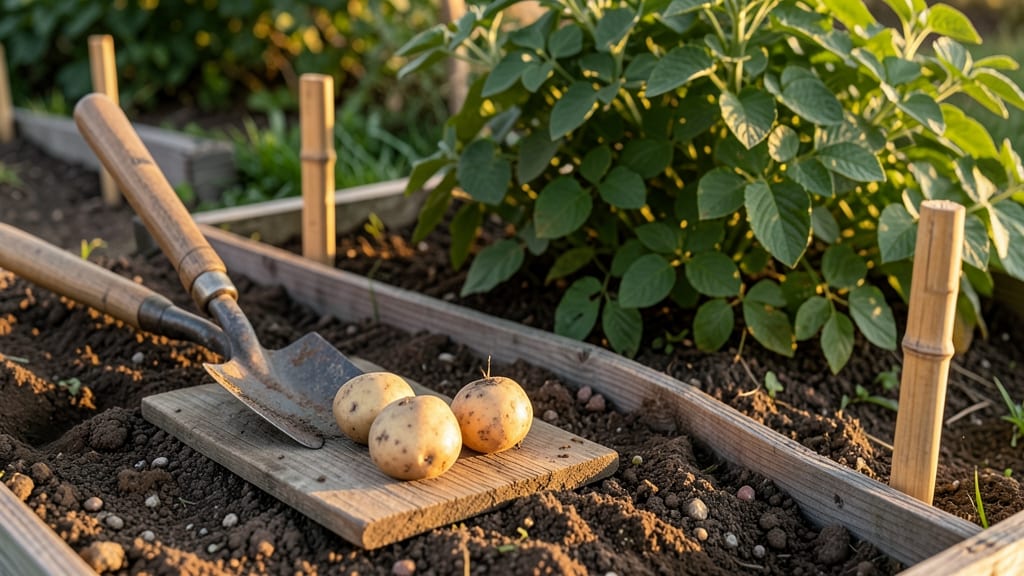
When should I plant potatoes in Zone 6? Timing could make or break your harvest—get it wrong, and you risk stunted 🥔 or disease-ridden tubers. The key is planting when soil temperatures hit 45°F, usually by early spring, but there’s a trickier side to this: fall plantings for late-season varieties.
Most gardeners focus only on spring, but Zone 6’s 165 frost-free days actually allow for two planting windows.
Whether you’re growing early varieties like Yukon Gold or late-season Kennebecs, knowing the exact window—2-4 weeks before last frost for spring, and 6-8 weeks before first frost for fall—is what separates a mediocre harvest from a bumper crop.
I’ve tested both methods, and the results speak for themselves: proper timing means fewer pests, healthier plants, and potatoes that store better. Let’s break down the exact schedule you need to follow, plus soil prep tips that’ll give your 🥔 the best possible start.
Ready to avoid common mistakes? You’ll learn how to adjust for your microclimate, choose the right varieties, and even extend your growing season with mulch. Let’s get those spuds in the ground the right way.
Optimal Zone 6 potato planting schedule: spring vs fall timing explained
Timing is everything when planting potatoes in Zone 6. The difference between a bountiful harvest and wasted effort often comes down to planting at the right moment—whether you're growing early varieties or extending your season with fall plantings.
In Zone 6, where last frosts typically hit mid-April and first frosts arrive around mid-October, your window is narrow but critical.
For most gardeners, spring planting is the go-to method, but fall plantings can also work if timed correctly. The key is understanding your soil temperature thresholds—potatoes thrive when soil reaches 45°F—and adjusting for your local microclimate.
Even a week too early or late can lead to stunted growth or disease susceptibility.
Here’s the breakdown: Spring potatoes should go in the ground 2-4 weeks before your last frost date, while fall potatoes need 6-8 weeks before your first frost to mature. This timing ensures tubers develop fully before cold sets in.
🌱 Zone 6 Potato Planting Comparison
| Planting Season | Ideal Planting Window | Soil Temperature | Days to Harvest | Key Consideration |
|---|---|---|---|---|
| Spring | 2-4 weeks before last frost (early March–mid-April) | 45–50°F | 70–120 days | Avoid planting too early (risk of rot) |
| Fall | 6–8 weeks before first frost (late July–early September) | 50–55°F | 90–110 days | Use fast-maturing varieties (e.g., 'Red Norland') |
If you’re planting in early spring, focus on early-maturing varieties like 'Yukon Gold' or 'Red Pontiac' to beat the rush to harvest before summer heat sets in. These varieties can mature in as few as 70 days, giving you a head start on the season.
For fall plantings, prioritize disease-resistant varieties that can tolerate cooler soils. Planting too late in the season risks tubers not reaching maturity before frost, but with the right timing, you can enjoy a second harvest in late fall.
Pro tip: Use black plastic mulch to warm soil faster in spring or straw mulch to insulate in fall. These tricks can extend your planting window by 1-2 weeks, giving you more flexibility.
Always check your local frost dates—they can vary by 1-2 weeks even within Zone 6. Websites like the National Weather Service or local agricultural extensions provide precise data tailored to your area.
Remember, soil temperature matters more than air temperature. Stick your finger 4 inches deep—if it feels cool but not freezing, your potatoes are ready to go in the ground. 🌱
How to time your potato planting for maximum yield in Zone 6
Timing your potato planting isn’t just about avoiding frost—it’s about creating the perfect conditions for your tubers to thrive.
In Zone 6, where soil temperatures fluctuate rapidly, planting too early can lead to rot from cold, wet soil, while planting too late may result in small, underdeveloped potatoes before harvest. The key is balancing soil warmth, moisture levels, and variety selection to maximize your yield.
Start by selecting seed potatoes that are certified disease-free. Chit them—place them in a bright, cool spot for 4-6 weeks before planting—to encourage early sprouting. This gives you a head start and helps you gauge when your soil is truly ready.
Once your soil temperature hits 45°F, it’s time to plant, but only if the ground isn’t soggy or frozen.
Here’s my step-by-step guide to timing your planting for success:
⚠️ Warning: Signs of Premature Planting
Planting potatoes too early in Zone 6 can invite disease and rot. Watch for these red flags:
- Fungal growth on seed potatoes (indicates stored moisture)
- Slow or no sprouting after 3-4 weeks in soil
- Blackened stems or mushy tubers when unearthed
If you see these signs, wait at least 1-2 weeks before replanting or switch to a faster-maturing variety.
For spring plantings, aim to get your potatoes in the ground 2-3 weeks before your last frost date. This gives them enough time to establish roots before warmer weather arrives.
If you’re planting in late winter (February), opt for early varieties like 'Early Girl' or 'Kennebec,' which mature in 60-90 days and can handle cooler soils.
Fall plantings require even more precision. Since days are shorter and temperatures drop faster, choose fast-maturing varieties like 'Red Norland' or 'LaSoda,' which can be harvested in 90-110 days. Plant these 6-8 weeks before your first frost, typically in late July or early August.
Use straw mulch to insulate the soil and protect tubers from early cold snaps.
Pro tip: If your soil stays too cold or wet in early spring, try container growing. Fill large pots with a mix of compost and perlite to improve drainage, and place them in a sunny spot.
This gives you control over soil temperature and moisture, making it easier to time your planting perfectly.
Finally, always monitor your local microclimate. A south-facing bed warms up faster than a north-facing one, and a raised bed stays cooler longer. Adjust your planting dates accordingly—sometimes even a 1-week difference can mean the difference between a failed crop and a harvest to be proud of. 🌱