Planting
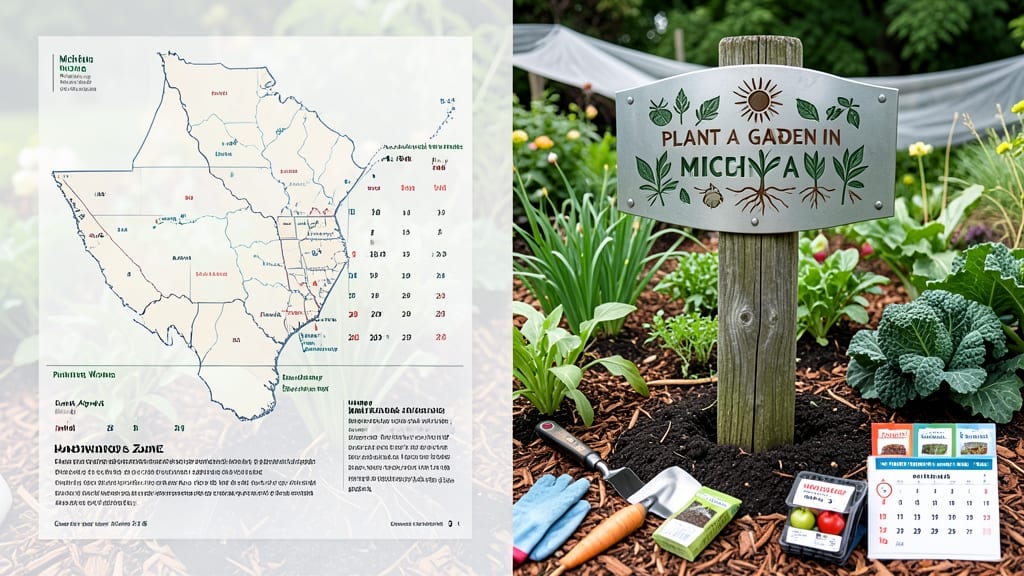
Michigan planting zones and their critical last frost dates
Michigan spans USDA Hardiness Zones 4a to 6b, with dramatic differences between the Upper Peninsula (Zone 4a-5a) and southern regions like Southeast Michigan (Zone 6a-6b). These zones dictate your last frost dates, which are the most critical factor in your planting schedule.
For example, Detroit typically sees its last frost around April 25, while Marquette in the UP may not reach safe planting temperatures until May 15.
To avoid frost damage, use the 10-day rule: Wait 10 days after your average last frost date before planting warm-season crops like tomatoes and peppers. Cool-season crops (e.g., spinach, peas) can often tolerate light frosts and can be planted 4-6 weeks before your last frost date.
Always check local Almanac frost predictions for your specific county, as microclimates can shift dates by 1-2 weeks.
Here’s how Michigan’s zones break down for planting:
| Zone | Last Frost Date | Cool-Season Planting Window | Warm-Season Planting Window | First Frost Date |
|---|---|---|---|---|
| 4a-5a (Upper Peninsula) | May 10–15 | April 1–May 1 | May 25–June 1 | September 25–October 5 |
| 5b (Northern Lower Peninsula) | April 20–25 | March 15–April 1 | May 10–15 | October 1–10 |
| 6a-6b (Southern Michigan) | April 10–15 | February 28–March 15 | April 25–May 1 | October 15–25 |
For southern Michigan gardeners in Zones 6a-6b, you can start cool-season crops like spinach and peas as early as late February under row covers or in a greenhouse.
Meanwhile, northern Michigan gardeners in Zone 4a should wait until mid-April for hardy crops and avoid planting warm-season crops until late May to ensure no frost damage. Always monitor weekly frost forecasts from the National Weather Service for real-time adjustments.
Pro tip: Use frost-sensitive plants like basil or cucumbers as your canary in the coal mine. If they survive a late frost, you’re likely safe to plant other warm-season crops.
For extra protection, keep row covers or cold frames handy to extend your growing season by 2-4 weeks in both spring and fall.
Another key strategy is succession planting. For example, in Zone 6b, you can plant lettuce every 2 weeks from March to September to ensure a continuous harvest. This works because Michigan’s growing season spans 140–180 frost-free days, giving you ample time for multiple plantings.
If you’re in Zone 5b or colder, focus on fast-maturing varieties like bush beans (50 days) or radishes (25 days) to maximize your short season. Pair these with perennials like asparagus or rhubarb, which establish roots early and produce for years.
For Zone 6b gardeners, you can experiment with longer-season crops like heirloom tomatoes (80+ days) or peppers (70+ days).
Remember, Michigan’s first frost dates also matter for fall planting. In Zone 4a, aim to plant cool-season crops like kale or carrots by August 15, while Zone 6b gardeners can push it to September 15.
Use black plastic mulch to warm the soil and extend your fall harvest window by 3-4 weeks.
Finally, always test your soil pH in early spring—Michigan’s clay-heavy soils often need amendments like compost or lime to reach the ideal pH of 6.0–7.0 for most vegetables. This prep work ensures your plants thrive once the frost-free window opens.
🌱
Best planting schedule for Michigan’s top 10 garden crops
Michigan’s 140-180 frost-free days demand precision in planting—especially for warm-season crops like tomatoes and peppers that won’t tolerate cold snaps. My go-to strategy?
Start with cool-season crops 4-6 weeks before last frost (typically mid-April in southern Michigan, late May in the UP), then shift to heat-lovers 2-3 weeks after frost risk.
For continuous harvests, I use succession planting—sowing lettuce or radishes every 2 weeks from April to September. This ensures fresh greens even when summer heat bolting threatens older plants.
Michigan’s short growing season in the north means prioritizing fast-maturing varieties like bush beans (50 days) or zucchini (45 days) over slow growers.
🌱 Michigan’s Top 10 Crops & Planting Windows
- Lettuce: March 15–September 1 (every 2 weeks for succession)
- Tomatoes: May 1–June 15 (start indoors March 1)
- Peppers: May 15–June 1 (indoors February 1)
- Carrots: April 15–July 15 (avoid summer heat)
- Green Beans: May 15–June 15 (bush types) or July 1 (pole beans)
- Cucumbers: May 15–June 15 (trellis for space)
- Spinach: March 15–August 15 (fall harvest preferred)
- Zucchini: May 1–June 1 (fast-growing, high yield)
- Broccoli: April 1–May 15 or August 1 (fall crop)
- Marigolds: May 1–June 15 (pest deterrent, full sun)
💡 Pro Tip: Use row covers to extend spring planting for cool-season crops by 2-3 weeks.
Warm-season crops like tomatoes and peppers need consistent warmth—so I always start them indoors 6-8 weeks before last frost.
For tomatoes, I harden off seedlings by May 1 in southern Michigan, but UP gardeners wait until June 1. Peppers, being even more sensitive, get a longer indoor start (February 1) to avoid stunted growth.
Fall planting is my secret to second harvests—sow cool-season crops like spinach or kale by August 1 for a September-October harvest. I’ve had success with late broccoli planted in early August, thriving until first frost.
Just avoid cabbage family plants after July 15—they’ll bolt in summer heat.
Container gardening is my backup plan for late frosts or short seasons. I plant compact varieties like bush beans or cherry tomatoes in pots on patios or balconies, extending the season by 2-4 weeks. This works especially well in Zone 5a areas where frost risk lingers.
Remember: Michigan’s soil warmth matters as much as air temperature. For direct-sown seeds, wait until soil reaches 50°F+ (use a soil thermometer!). In northern Michigan, this can mean delaying planting until June 1—but succession planting still works with fast-maturing varieties.