
Plants
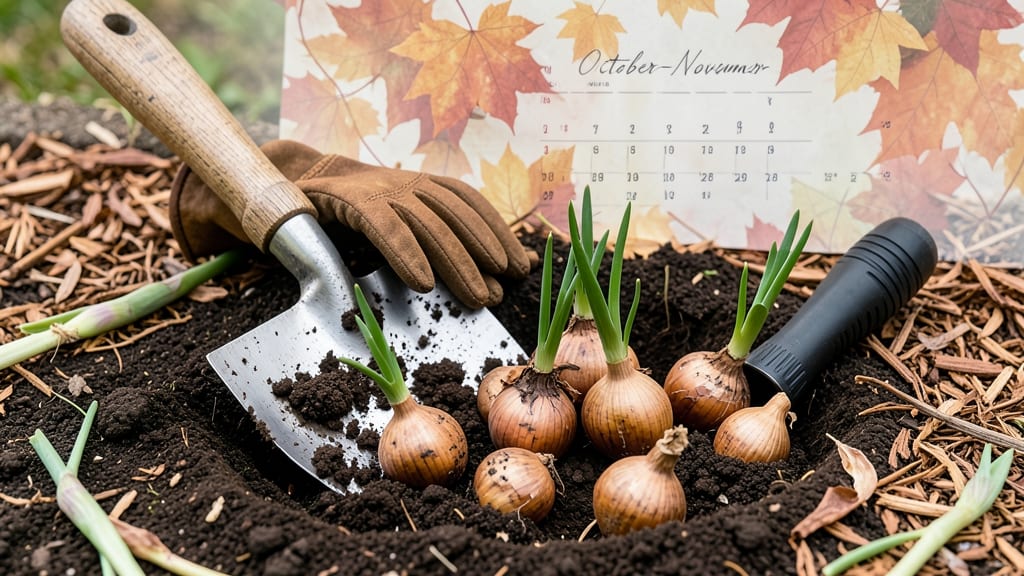
Bulb planting timing by chill-hour requirements for spring blooms
Planting bulbs at the right time ensures they get the chill hours they need to bloom spectacularly next spring. Most spring-flowering bulbs like tulips and daffodils require 6-16 weeks of cold dormancy, typically planted in fall. But timing varies by USDA hardiness zone and bulb type.
For example, tulips thrive in Zones 3-8 and need planting 6-8 weeks before the first hard frost.
In Zone 5, that’s usually October, while Zone 9 gardeners might plant as late as December. Daffodils, however, are more flexible and can handle later planting or even spring planting in milder climates.
Here’s how to match your bulbs to the perfect planting window based on their chill-hour needs and your local climate:
| Bulb Type | Chill-Hour Needs | Best Planting Time | USDA Zones | Notes |
|---|---|---|---|---|
| Tulips | 12-16 weeks | 6-8 weeks before frost | 3-8 | Plant in fall; avoid soggy soil |
| Daffodils | 8-12 weeks | Fall or early spring | 3-10 | More frost-tolerant; can handle late planting |
| Hyacinths | 14-16 weeks | 6-8 weeks before frost | 4-8 | Needs deep, well-draining soil |
| Crocus | 6-8 weeks | Early fall or late winter | 3-9 | Early bloomers; great for winter color |
| Alliums | 10-12 weeks | Fall or early spring | 4-9 | Drought-tolerant; loves full sun |
If you’re in a warmer zone (9-11), like Southern California or Florida, traditional fall planting might not work because the ground rarely freezes. Instead, plant bulbs in late winter (January-February) to mimic natural chill periods. Daffodils and alliums are your best bets for these climates.
For northern gardeners (Zones 1-4), aim to plant bulbs by mid-October to ensure they root before the ground freezes. Use a soil thermometer to check if soil temps are below 40°F—if so, it’s time to stop planting. Mulch heavily after planting to insulate bulbs from freezing temps.
Pro tip: Stagger your planting for a longer bloom season. Plant one-third of your bulbs in early fall, another third in mid-fall, and the last third in late fall. This ensures continuous spring color from early bloomers like crocus to late bloomers like tulips.
Always plant bulbs in well-draining soil—waterlogged roots lead to rot. Amend heavy clay with compost or sand to improve drainage. After planting, water deeply to settle the soil and encourage root growth before winter sets in.
Remember, bulb health depends on dormancy. If you plant too early, bulbs may sprout and get damaged by frost. If you plant too late, they won’t get enough chill hours to bloom. Timing is everything! 🌷
Fall planting vs. spring planting: which works best for your bulbs?
Not all bulbs follow the same planting rules—some thrive when planted in fall, while others need a spring start. The key difference? Chill-hour requirements. Most classic spring-blooming bulbs like tulips and daffodils need a cold period to trigger flowering, so they’re best planted in fall.
But summer-blooming bulbs like dahlias or cannas prefer a spring planting after the last frost.
Fall planting gives bulbs time to establish roots before winter, ensuring robust growth. However, spring planting works for bulbs that can’t tolerate cold or need a warmer start. Tropical bulbs, like amaryllis, often wait until spring or even summer to avoid frost damage.
Your USDA hardiness zone also plays a role—warmer climates may shift timing slightly.
🌱 Fall Planting vs. Spring Planting: Pros & Cons
- ✅ Best for tulips, daffodils, hyacinths
- ✅ Roots establish before winter
- ✅ Stronger blooms next spring
- ⚠️ Risk if ground freezes early
- ⚠️ Limited time to plant
- ✅ Ideal for dahlias, cannas, amaryllis
- ✅ Avoids frost damage
- ✅ Works in warm climates
- ⚠️ Smaller first-year blooms
- ⚠️ Needs consistent moisture
For fall planting, aim for 6-8 weeks before the first frost. In USDA Zone 6a, that’s typically October. If you miss the window, don’t panic—some bulbs can handle early spring planting, though they may bloom later. Just ensure the soil is workable and frost-free.
If you’re in a warmer zone (7-10), fall planting might not work at all. Instead, plant in late winter or early spring to mimic natural conditions. For example, tulips in Zone 9 often do better with a spring start and a bit of shade to prevent overheating.
Pro tip: Layer mulch (2-3 inches) after planting to insulate bulbs and protect them from temperature swings. This is especially helpful if you’re pushing the planting window due to unpredictable weather. Mulch also suppresses weeds, giving your bulbs a head start in spring.
Remember, bulb types matter. Spring-blooming bulbs (like crocuses) need fall planting, while summer-bloomers (like gladiolas) wait for spring. Always check the package instructions—they’re your best guide! 🌷