
Flowers
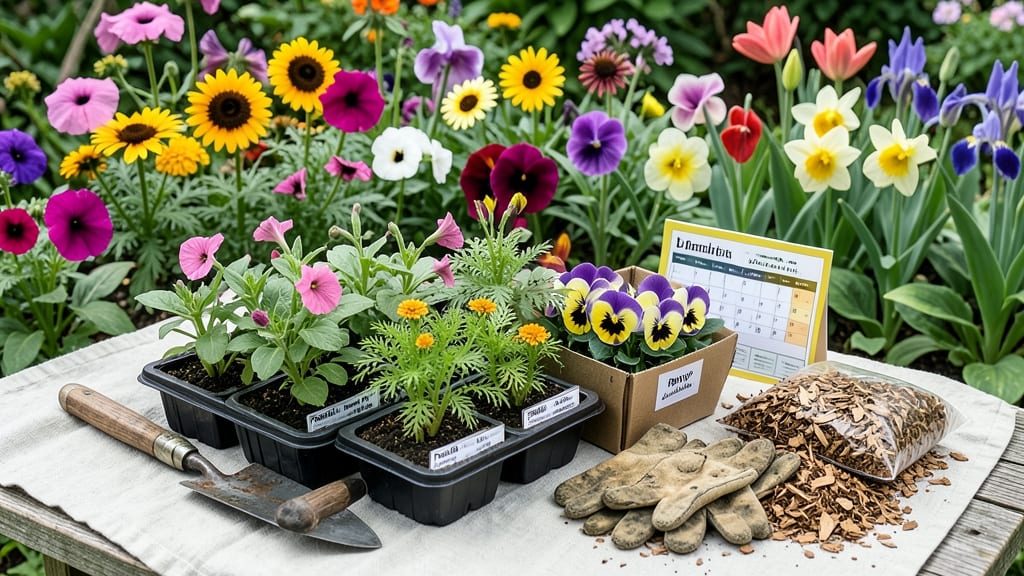
Timing your flower planting in Ohio isn’t just about grabbing a shovel—it’s about beating frost, avoiding heat stress, and unlocking the full potential of your 🌸 garden. The wrong schedule can mean wilted blooms or wasted effort, while the right one transforms your yard into a vibrant showcase.
With Ohio’s 6a zone and unpredictable weather, knowing when to plant is the key to success.
Most gardeners rush to start too early, only to watch delicate seedlings succumb to late frosts that can linger until mid-April. But planting too late? You’ll miss peak summer color and leave your garden looking bare.
The secret lies in understanding Ohio’s frost-free window—typically mid-April to early June—and matching it to your flower types.
Cool-season bloomers like pansies thrive when planted in early spring or late summer, while heat-loving annuals like marigolds need to wait until after the last frost.
I’ll break down the exact planting schedule for Ohio’s most popular flowers, so you can avoid common mistakes and enjoy a garden that bursts with color all season.
Ready to turn your Ohio garden into a showstopper? Let’s dive into the science-backed timing that’ll keep your flowers thriving—no guesswork required.
Ohio’s last frost dates by zone: when to plant flowers safely
Ohio spans USDA zones 5-7, meaning frost dates vary dramatically from northern Cleveland to southern Cincinnati. Getting your timing right means the difference between a showstopping garden and a wilted disappointment.
The average last frost date in most of Ohio falls between April 15 and May 15, but microclimates can shift this by weeks.
Northern Ohio (zones 5-6) typically sees its last frost around May 1, while southern Ohio (zone 7) often warms up by April 15. Mountainous areas like Hocking Hills can be 2-3 weeks later than valleys.
Always check your local Cooperative Extension Service for real-time updates—your garden’s success depends on it.
Here’s how Ohio’s frost zones break down for flower planting:
| Zone | Avg. Last Frost | Safe Planting Window | Key Flowers for Zone |
|---|---|---|---|
| 5 (North) | May 1–15 | May 15–June 1 | Pansies, Snapdragons, Delphiniums |
| 6 (Central) | April 15–May 1 | April 30–May 15 | Tulips, Daffodils, Petunias |
| 7 (South) | March 20–April 15 | April 1–April 30 | Marigolds, Zinnias, Sunflowers |
For annual flowers, wait until two weeks after your area’s last frost date to plant heat-loving varieties like geraniums or impatiens. These plants won’t survive frost, so rushing them risks stunted growth or death.
Perennials, on the other hand, often tolerate light frosts and can be planted as early as March in zone 7.
If you’re planting bulbs in fall (like tulips or daffodils), aim for October 1–November 1—this gives roots time to establish before winter. Spring-blooming bulbs planted too late may not flower until the second year. Mark your calendar now to avoid last-minute mistakes!
Microclimates play a huge role in Ohio’s gardening success. A south-facing slope warms up faster than a north-facing yard, so you might plant two weeks earlier in sunny spots. Use row covers or cold frames to extend your season if you’re eager to get started.
Ohio’s first frost typically arrives between October 15 and November 15, signaling the end of the outdoor growing season for tender plants. Use this time to harvest seeds, divide perennials, or plant spring-blooming bulbs for next year’s garden.
Don’t rely solely on average frost dates—Ohio’s weather is famously unpredictable. I’ve seen May frosts in Columbus as late as May 20, and June frosts in Toledo. Always have a backup plan, like row covers or a greenhouse, for high-value plants.
For container gardening, you can push boundaries slightly. Pots warm up faster than soil, so you might plant two weeks earlier in containers. Just be ready to move them indoors if frost threatens. This trick works especially well for petunias and geraniums.
Local nurseries like Wayne’s World Garden Centers or Garden Center Nursery often provide hyper-local advice. Call ahead to ask about this year’s frost trends
Best flower planting schedule by type: cool-season vs. warm-season bloomers
Ohio’s two distinct planting seasons—cool-season and warm-season—dictate which flowers thrive when. Cool-season bloomers like pansies and snapdragons love early spring or late summer planting, while warm-season favorites such as zinnias and marigolds need to wait until after the last frost.
Mixing these up can mean wilted disappointment instead of vibrant blooms.
For cool-season flowers, start seeds indoors 6-8 weeks before your last frost date (around February-March in most of Ohio).
These hardy plants can handle light frosts and often bloom earlier in the season. Warm-season flowers, however, need consistent warmth—plant them only after soil temps hit 60°F, usually mid-May to early June.
Here’s your Ohio-specific planting timeline for popular flowers:
- 🌷 Pansies & Violas: March-April (zones 6-7) or August-September for fall blooms. Tolerate 28°F temps.
- 🌼 Snapdragons: March-April (start indoors 8-10 weeks before last frost). Love cool nights.
- 🌿 Sweet Alyssum: March-April or August. Self-seeds easily—great for gap filling.
- 🌱 Calendula: March-April (biennial; plant seeds 6 weeks before frost). Edible petals!
- 🌻 Marigolds: After May 15 (wait until soil is 60°F+). Repel pests naturally.
- 🌺 Zinnias: May 1–June 1. Heat-tolerant and long-blooming—perfect for summer.
- 🌸 Petunias: After last frost (usually May 15). Thrives in containers.
- 🌼 Sunflowers: May 1–June 1. Dwarf varieties (like ‘Teddy Bear’) work in small spaces.
Ohio’s perennial flowers have their own schedule. Plant hardy perennials like coneflowers or black-eyed Susans in early spring (March-April) or early fall (September-October). Fall planting gives roots time to establish before winter. Avoid planting perennials in extreme heat—they’ll struggle to root.
For bulbs, timing is critical. Plant spring-blooming bulbs (like tulips) in October-November—they need chill time to bloom. Summer-blooming bulbs (like dahlias) go in May after frost. Never plant bulbs in freezing ground—they’ll rot.
Ohio’s container gardeners have an advantage: pots warm up faster, so you can plant warm-season flowers 2 weeks earlier. Just be ready to move containers indoors if frost threatens. Petunias and geraniums are perfect for this strategy—they’ll reward you with earlier blooms.
If you’re starting seeds indoors, begin cool-season flowers in February and warm-season flowers in April. Use grow lights to prevent leggy seedlings. Harden off plants 1-2 weeks before transplanting to acclimate them to outdoor conditions.
Remember: Ohio’s weather is unpredictable. Always have row covers ready for late frosts or heat waves. The Memorial Day weekend is a safe bet for planting heat-loving annuals in most of Ohio—just check your local frost-free date first. Happy planting!