
Plants
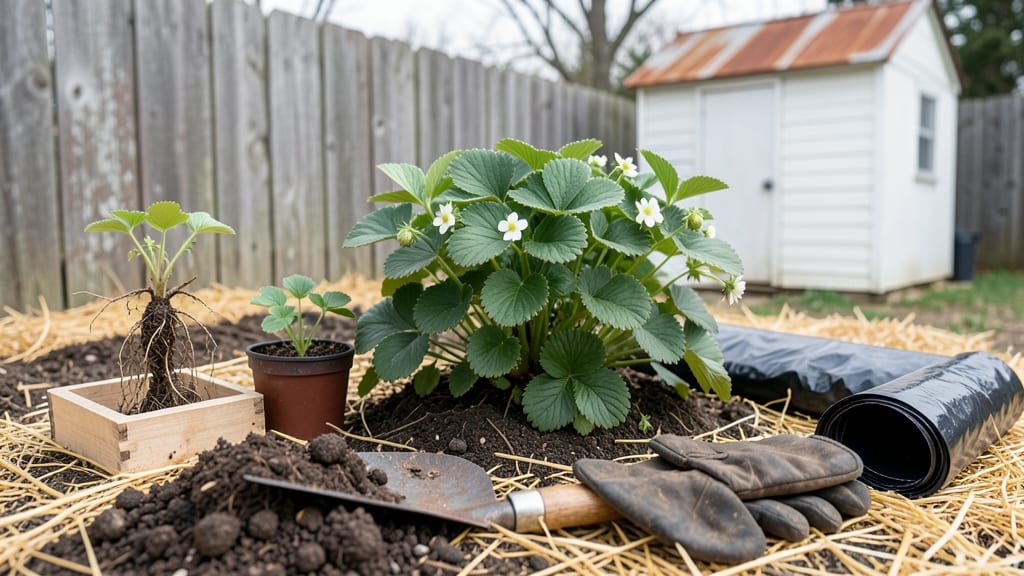
Timing your 🍓 strawberry planting in Ohio isn't just about avoiding frost—it's about matching varieties to your region's unique chill hours for bigger, sweeter harvests.
Ohio gardeners know the struggle: plant too early, and your berries bolt before ripening; wait too long, and you miss the prime window for establishing strong roots.
With USDA Zone 6a conditions, your best bets are early spring (March–April) or early fall (September–October), but not all strawberries thrive equally. Some varieties need 500+ chill hours below 45°F to fruit properly, while others adapt better to Ohio's unpredictable swings between warm spells and late frosts.
I'll walk you through the exact planting windows for bare-root, potted, and seeded strawberries—plus how to adjust for your specific microclimate. Whether you're in Columbus, Cleveland, or Cincinnati, these insights will help you avoid common mistakes and maximize your June–July harvest.
Ready to transform your garden into a 🍓 berry bonanza? Let’s dive into the science behind Ohio’s planting calendar and how to pick the perfect variety for your yard.
Ohio’s strawberry planting zones: chill-hour requirements by variety
Ohio’s climate varies dramatically from the southern warm zones (like Cincinnati) to the northern cooler regions (like Cleveland), making chill-hour requirements the key to successful strawberry planting.
Most Ohio gardeners fall into USDA Zone 6a, but microclimates can shift chill accumulation by hundreds of hours—which explains why your neighbor’s June-bearing strawberries thrive while yours bolt prematurely.
Strawberries need 500-1,000 chill hours (temperatures between 32–45°F) to trigger fruiting. Planting too early without enough chill hours forces premature blooming, leading to small, underdeveloped berries—or worse, no fruit at all. The solution? Match your strawberry variety to your local chill accumulation.
Southern Ohio (e.g., Columbus, Dayton) typically accumulates 700–900 chill hours, while northern Ohio (e.g., Toledo, Akron) often sees 900–1,100 chill hours. Day-neutral varieties (like Seascape) are more forgiving, producing fruit with fewer chill hours, but June-bearing varieties (like Jewel) demand precise timing to avoid bolting.
Here’s how to align your planting with Ohio’s chill zones and best-performing varieties for each region:
| Ohio Region | Chill Hours (32–45°F) | Best Varieties | Planting Window | Notes |
|---|---|---|---|---|
| Southern Ohio (Zone 6a) | 700–900 | Jewel, Chandler, Ozark Beauty | Late March–April | June-bearing; needs warm springs. |
| Central Ohio (Zone 6a) | 800–1,000 | Seascape, Tristar, Fort Laramie | Early April–mid-April | Day-neutral options extend harvest. |
| Northern Ohio (Zone 6a) | 900–1,100 | Honeoye, Albany, Sparkle | Mid-April–early May | Later planting avoids frost damage. |
| All Regions (Fall Planting) | 500+ (varies) | Seascape, Tristar, Everbearing | Late August–September | Avoids spring bolting; harvests in fall. |
For example, if you’re in Columbus (southern Ohio), planting Jewel strawberries in early April gives them time to accumulate 800+ chill hours before blooming. But if you’re in Cleveland (northern Ohio), waiting until mid-April ensures they don’t bolt from warm spells in March.
Pro tip: Use a chill-hour tracker (like the National Weather Service’s climate data) or a simple minimum-maximum thermometer to monitor your local chill accumulation. This avoids guessing and ensures your strawberries flower and fruit at the right time.
Day-neutral varieties like Seascape are my go-to for Ohio gardens because they produce fruit with fewer chill hours and continue bearing all season. However, June-bearing varieties like Chandler reward patience with a heavy one-time harvest—if planted at the perfect chill-hour threshold.
Remember, soil temperature also matters: Strawberries won’t thrive if planted in cold, wet soil (below 40°F). Wait until the ground warms to 50°F—usually 2–3 weeks after your last frost date—to give roots a strong start.
🌱
Step-by-step planting timeline for Ohio’s frost-free dates and chill accumulation
Ohio’s last frost dates vary dramatically—from early March in southern zones to late April in northern regions—so your planting window depends on both chill hours and local microclimates.
For most of the state, aim to plant bare-root strawberries between mid-March and mid-April, while potted varieties can go in slightly earlier (late February).
Tracking chill hours (temperatures between 32–45°F) is critical—most Ohio-adapted varieties need 500–1,000 chill hours before blooming. Use a minimum-maximum thermometer or check your local Cooperative Extension Service for real-time data. Southern Ohio often hits these thresholds by mid-February, while northern areas may need to wait until late March.
🌱
- Late February–Early March: Plant potted strawberries in southern Ohio (if soil is workable). Ideal for June-bearing varieties like Jewel.
- Mid-March–Mid-April: Plant bare-root strawberries statewide. Southern Ohio can start earlier; northern areas wait until after last frost (typically April 15).
- Early September–Early October: Plant fall-bearing varieties (e.g., Seascape) for a second harvest in late summer. Avoid planting after September 15 in northern Ohio.
- April–June: Apply mulch (straw or pine needles) to retain moisture and suppress weeds. Remove old mulch before new growth appears in spring.
- June–July: Harvest spring-planted strawberries. For fall-bearing types, expect fruit in August–September if planted in early fall.
If you’re planting from seed, start indoors 8–10 weeks before your last frost date. Ohio’s USDA Zone 6a means seeds sown in January–February will be ready for transplanting in March–April. Seedlings need consistent moisture and bright light (or a grow light) to avoid leggy growth.
For everbearing varieties like Ozark Beauty, you can also plant in late summer (August) for a small fall harvest. However, avoid planting after mid-August in northern Ohio, as plants may not establish roots before winter.
Always water deeply after planting to encourage root growth in cool, moist soil.
🌡️