
Plants
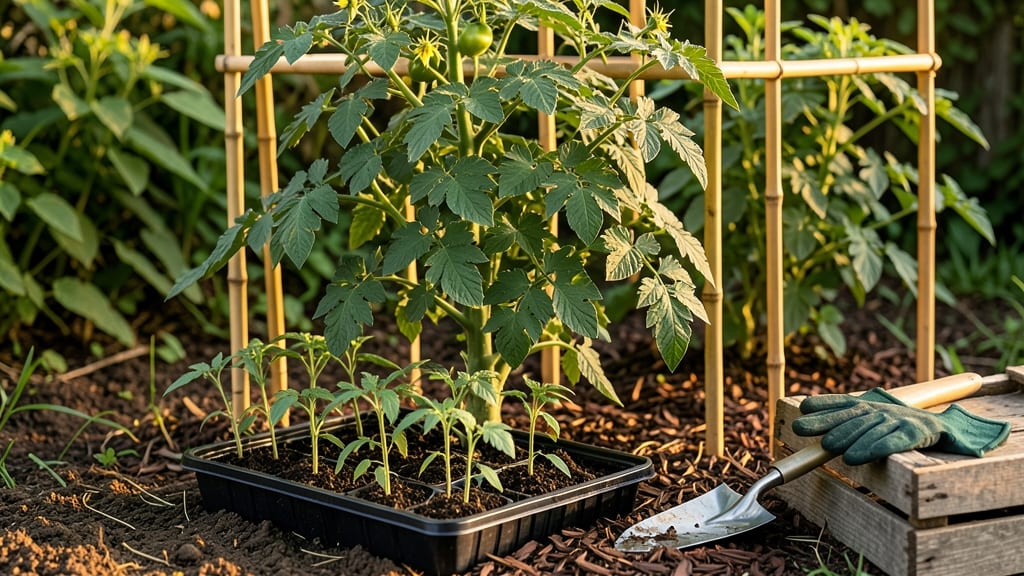
Timing when should you plant tomatoes in Iowa isn’t just about the calendar—it’s about dodging those unpredictable late frosts that can turn your 🍅 dreams into a sad, blackened pile of stems.
With Iowa’s USDA Zone 5a-5b climate, waiting too long means missing the sweet, sun-ripened harvest window from June to October.
I’ve seen firsthand how a few weeks difference can mean the difference between a bumper crop and a backyard disappointment. That’s why knowing your county’s exact frost-free deadline is the key to success—whether you’re starting seeds indoors in March or transplanting seedlings in May.
In this guide, I’ll break down the science behind Iowa’s planting windows, from soil temperature tricks to microclimate hacks that let you push your harvest later into fall. You’ll learn exactly when to plant for your specific location and how to extend your growing season like a pro.
Ready to turn your garden into a tomato powerhouse? Let’s get those seeds in the ground at the perfect moment—because in Iowa, timing really is everything.
Iowa’s frost-free deadline map: exact planting dates by county
Iowa’s last frost dates can swing by 2-3 weeks from north to south, so your tomato planting window depends entirely on your county.
In northwest Iowa (Zone 5a), you’ll need to wait until May 15 for safety, while southeast Iowa (Zone 5b) gardeners can start as early as April 20. These dates mark when 90% of frost risk has passed—but don’t let them fool you into rushing.
Tomatoes are frost-sensitive and won’t tolerate temps below 50°F. Even a light freeze (28°F) can kill seedlings overnight. That’s why soil temperature matters just as much as air temperature: roots need 60°F+ soil to thrive.
Use a soil thermometer to confirm readiness—especially in sandy soils that warm faster than clay.
Here’s the county-by-county breakdown of Iowa’s average last frost dates (based on 2023-2024 USDA data) and the ideal planting windows for tomatoes. Bookmark this for your garden planner!
| Region | Last Frost Date | Safe Transplant Window | Direct Sow Window | Notes |
|---|---|---|---|---|
| Northwest (Zone 5a) | May 15 | May 20–June 5 | June 1–15 | Use row covers; try early varieties like 'Stupice' |
| Central (Zone 5a/b) | May 1 | May 10–May 25 | May 20–June 10 | Black plastic mulch warms soil faster; avoid late varieties |
| Southeast (Zone 5b) | April 20 | April 25–May 10 | May 1–May 20 | Longer season; try heirlooms like 'Brandywine' |
| All Regions | N/A | Soil temp ≥60°F | After last frost + 2 weeks | Test soil with thermometer; avoid cold, wet springs |
Pro tip: Adjust for microclimates. A south-facing slope warms 1-2 weeks earlier than a north-facing valley. Urban areas with concrete or pavement can also trap heat, letting you plant 10 days sooner than rural zones.
Always check your specific USDA zone using the Iowa State University Extension Map.
If you’re starting seeds indoors, begin 6-8 weeks before your last frost date. For northwest Iowa, that means March 20–April 1; for southeast Iowa, February 20–March 15. Use grow lights to prevent leggy seedlings, and harden off plants for 7-10 days before transplanting.
For direct sowing (planting seeds outside), wait until 2 weeks after your last frost date—this gives the soil time to warm and reduces seedling disease risk. In central Iowa, that’s May 15–25. Use biodegradable seed starters to avoid disturbing roots when thinning.
Don’t forget: Variety selection impacts your harvest window. Early varieties like 'Early Girl' (60 days) work for short-season zones, while late varieties like 'Big Beef' (85 days) need longer growing seasons. In northwest Iowa, stick to determinate (bush) types—they ripen faster than indeterminate (vining) types.
🌱
How to extend your tomato growing season in Iowa (even in cold counties)
Iowa’s short growing season can feel like a race against time, but with the right strategies, you can push your tomato harvest weeks earlier—or keep it going later into fall.
I’ve tested these methods in USDA Zone 5a and 5b gardens, and they’ve consistently added 3-4 weeks to my harvest window. The key? Combining season-extending tools with heat-tolerant varieties that thrive in Iowa’s unpredictable climate.
Start by choosing early-maturing varieties like ‘Stupice’ (60 days) or ‘Early Girl’ (50 days), which can be planted as soon as soil warms to 50°F under protection. For later harvests, opt for heat-resistant types like ‘Heatmaster’ or ‘Solar Fire,’ which handle Iowa’s 90°F+ days without wilting.
Pair these with mulches—black plastic or straw—to keep roots cool and soil moist during heatwaves.
Season-Extending Tools: Pros & Cons
Pros: Extends season 2-3 weeks earlier/later; protects from light frosts (28°F).
Cons: Limited space (4-6 plants); requires daily monitoring.
Pros: Affordable ($10-$20); fits over trellises or cages.
Cons: Reduces sunlight by 10-15%; must remove during pollination.
Pros: Year-round growth possible; protects from wind and hail.
Cons: High upfront cost ($200+); needs ventilation.
Pros: Warms soil 5-10°F faster; suppresses weeds.
Cons: Not reusable; can overheat soil in summer.
For early spring planting, use a cold frame or row cover to protect seedlings from late frosts (common in Iowa until May 10 in northern counties). I’ve had success planting transplants under covers as early as April 1 in Des Moines, with no frost damage.
Just remove covers during the day to allow pollination—bees need access to flowers!
To extend harvests into fall, prioritize late-season varieties like ‘Brandywine’ (80 days) and use low tunnels or wall-o-waters to trap heat. In my Zone 5b garden, this kept tomatoes producing until October 15, even after the first frost.
Pair this with drip irrigation to keep soil moist without wetting foliage—critical for disease prevention in Iowa’s humid summers.
Don’t overlook soil temperature—it’s the #1 factor in early planting success. Use a soil thermometer to confirm 60°F+ before planting. In northwest Iowa, this often means waiting until May 15, while southeast counties can plant by April 20.
For container growing, use heat mats to warm roots faster in cold microclimates.
Pro tip: Succession plant every 2 weeks from May to June to stagger harvests. I’ve had continuous tomatoes from July to September using this method, even in short-season counties.
Combine this with vertical growing (trellises or cages) to maximize space and airflow—both critical for fungus prevention in Iowa’s damp summers. 🌱