
Plants
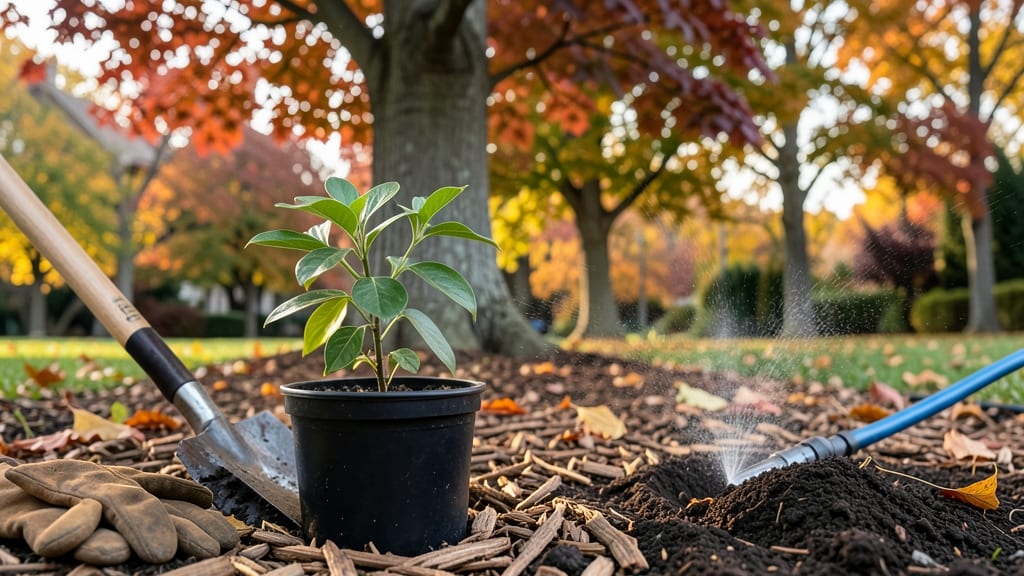
Timing your Dogwood Tree 🌳 planting just right in fall could make all the difference—especially if you're in USDA Zone 6a where chilly nights arrive early. The ideal window isn't just about avoiding frost; it's about giving those delicate roots enough time to settle before winter dormancy kicks in.
Most gardeners swear by mid-to-late fall planting, but the exact moment depends on your local frost date. Planting too early risks stunted growth, while waiting too long can leave your young tree vulnerable to winter stress.
Let me show you how to nail that sweet spot between 4-6 weeks before frost—without guessing.
What you'll discover here are the key signs your soil is ready (like soil temps dropping below 60°F), plus how to protect your new Dogwood Tree 🌳 once it's in the ground. We'll also debunk common myths about fall planting that could actually harm your tree.
Whether you're a first-time gardener or a seasoned pro, these insights will help you plant with confidence—so your tree thrives next spring instead of struggling through its first winter. Let's get started.
Optimal fall planting windows for dogwood trees by USDA Zone
Dogwood trees thrive when planted in fall, giving their roots time to establish before winter dormancy. The ideal window depends on your USDA zone and your region's first frost date. Planting too early risks heat stress, while planting too late leaves roots vulnerable to freezing.
Aim for 4-6 weeks before your average first frost—this gives roots 6-8 weeks to settle before winter.
In USDA Zones 5-7, where winters are colder, focus on late September to mid-October. For Zones 8-9, with milder winters, extend planting to October or even early November.
Always check your local frost calendar—dogwoods planted too close to frost may struggle to root before the ground freezes.
For example, in Zone 6a (like much of the Midwest), plant between September 20 and October 15. In Zone 8a (Southern California), you can plant as late as November 10.
The key is ensuring soil temperatures stay above 40°F (4°C) for root growth but avoid planting when nighttime temps drop below 50°F (10°C).
Dogwoods also need chill hours—typically 500-1,000 hours below 45°F (7°C)—to bloom properly. Fall planting helps them accumulate these chill hours naturally over winter. If you're in a warmer zone (Zone 9+), consider dwarf varieties like 'Taylor' or 'Constellation' that require fewer chill hours.
🌳 Fall Planting Timeline by USDA Zone
| USDA Zone | Ideal Planting Window | Soil Temp Threshold | Chill Hours Needed |
|---|---|---|---|
| Zones 3-4 | Late August - Early September | 50-60°F (10-15°C) | 900-1,200 hrs |
| Zones 5-6 | Late September - Mid-October | 45-55°F (7-13°C) | 700-900 hrs |
| Zones 7-8 | October - Early November | 50-60°F (10-15°C) | 500-700 hrs |
| Zones 9-10 | November - Early December | 55-65°F (13-18°C) | 300-500 hrs |
*Chill hours vary by variety; check your specific dogwood's requirements.
If you're unsure about your zone, use the USDA Plant Hardiness Zone Map and adjust based on microclimates. For instance, urban areas may experience 2-5°F warmer temps than rural zones due to the "heat island" effect.
Plant on a cool, cloudy day to reduce transplant shock—avoid weekends if possible, as nurseries often run out of stock.
Pro tip: Bare-root dogwoods (sold without soil) can be planted slightly later than container-grown trees. Soak bare roots in water for 1-2 hours before planting to rehydrate them. Container-grown trees, however, should be planted as soon as possible after purchase to avoid root circling.
For southern regions (Zones 8-10), consider planting in December if early fall rains make the ground too soggy. Just ensure the soil isn’t frozen—dogwood roots won’t grow in icy conditions. In these zones, prioritize well-draining soil to prevent root rot during winter rains.
One common mistake is planting dogwoods too deep. The root flare (where roots meet the trunk) should sit 1-2 inches above soil level. Burying it too deep suffocates the tree and invites disease.
After planting, water deeply to settle the soil and remove any air pockets around the roots.
Finally, mulch immediately after planting with 3-4 inches of organic mulch (like shredded bark) to insulate roots. Keep mulch 6 inches away from the trunk to prevent moisture buildup. This step is critical for fall-planted dogwoods, as mulch helps regulate soil temperature through winter.
Signs your fall dogwood planting timing is perfect (or too late)
Planting your Dogwood Tree 🌳 at the right moment in fall ensures strong root growth before winter. The ideal timing isn’t just about dates—it’s about soil conditions, temperature cues, and even the tree’s own signals.
One of the first signs your timing is perfect is when soil temperatures drop to 50-60°F (10-15°C). Use a soil thermometer to check—this range is sweet for root establishment without risking frost damage.
Another key indicator is leaf color changes in surrounding plants. When nearby trees like maples or oaks start showing golden or red hues, it’s often a sign that cooler nights are settling in—perfect for dogwood planting.
This shift usually happens 4-6 weeks before frost, aligning with the ideal window for most USDA Zones 5-8. Pay attention to these natural cues rather than relying solely on a calendar.
Moisture levels also play a critical role. The ground should be slightly damp but not soggy—dogwoods hate waterlogged roots. If your soil feels dry and crumbly, it’s too early to plant; wait for the next rain or water deeply a day before planting.
Conversely, if the ground is muddy or puddled, hold off until it dries out slightly. Aim for soil that’s moist but well-draining to prevent root rot.
🚨 Warning: Early Frost Risks 🚨
❄️ Red Flags Your Planting Timing Is Too Late
- Frost warnings appear in your local forecast within 2 weeks of planting.
- Nighttime temps drop below 40°F (4°C) consistently.
- Soil feels cold or hard when dug with a trowel.
- Nearby plants show frost damage (brown leaves, blackened stems).
Planting in these conditions forces roots to go dormant too soon, stunting growth and increasing winter dieback risks.
If you’re in Zones 3-4, watch for first frost dates closely—these areas have the shortest growing seasons. Plant your dogwood 6-8 weeks before frost to give roots time to establish. For example, if your first frost is October 15, aim to plant by September 1.
In warmer zones (8-10), you have more flexibility, but don’t wait past November 15 unless you’re using a container-grown tree with established roots.
One often-overlooked sign is the tree’s own response to transplanting. If your dogwood’s leaves wilt or droop within 24 hours of planting, it may be stressed from too-high temperatures or insufficient moisture.
This is a clear signal to water deeply and provide afternoon shade for a few days. Healthy dogwoods should show firm, green leaves and minimal wilting within 3-5 days of planting.
Finally, check your local chill-hour requirements. Dogwoods need 500-1,000 hours below 45°F (7°C) to bloom properly. If you plant too late, your tree might not get enough chill hours, leading to poor flowering next spring.
Use a chill-hour calculator or consult your local extension office to confirm your area’s requirements. For Zones 9-10, choose low-chill varieties like 'Cherokee Brave' or 'Golden Glow' to avoid this issue.