Planting
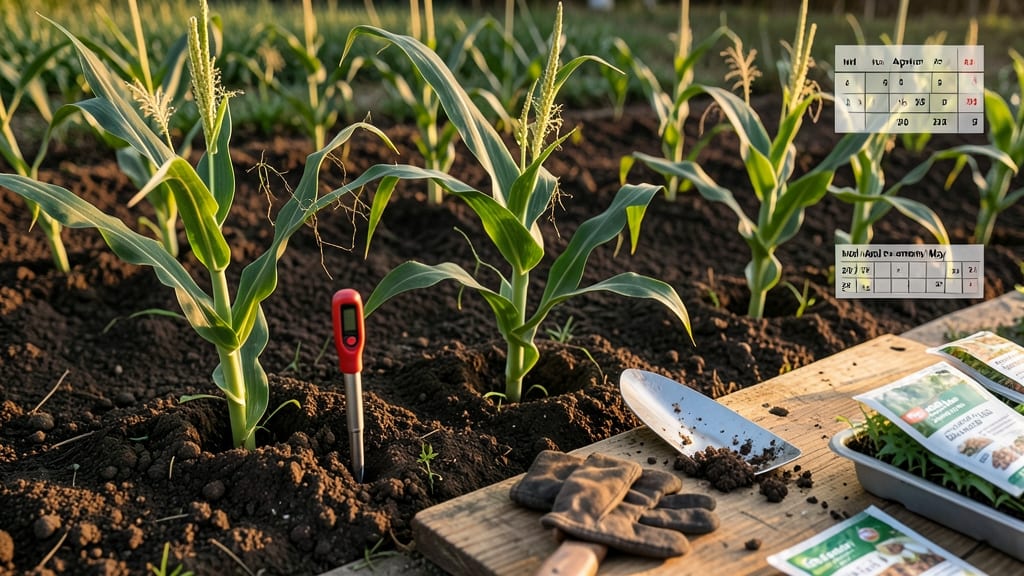
Iowa’s frost-free planting timeline by USDA Zone (2023 data)
Iowa spans USDA zones 4b through 6b, but most gardeners focus on zones 5a and 5b in the north and 6a/b in the south. These zones dictate your last frost dates, which are the cornerstone of your planting schedule.
For example, northern Iowa’s average last frost falls around April 25, while southern Iowa sees frost-free conditions by April 10—a difference of 15 days that can mean the difference between a thriving garden and a failed crop.
To avoid frost damage, follow the 10-day rule: Wait 10 days after your average last frost date to plant warm-season crops like tomatoes and peppers. Cool-season crops like spinach and peas can handle lighter frosts and often go in 2-3 weeks earlier.
But don’t rely solely on averages—check Iowa State University’s Mesonet for real-time updates on your specific microclimate.
| USDA Zone | Avg. Last Frost | Cool-Season Planting Window | Warm-Season Planting Window |
|---|---|---|---|
| 5a (North) | April 25 | March 15 - April 15 | May 10 - May 25 |
| 5b (Central) | April 15 | March 1 - April 1 | April 25 - May 10 |
| 6a/6b (South) | April 10 | February 28 - March 15 | April 15 - April 30 |
*Warm-season crops include tomatoes, peppers, and cucumbers. Cool-season crops include lettuce, spinach, and peas.
For cool-season crops, start seeds indoors 6-8 weeks before your last frost to give them a head start. For example, if your last frost is April 15, begin spinach or kale seeds indoors around February 20.
Harden off seedlings for 1 week before transplanting after the frost date. Warm-season crops like tomatoes and peppers need soil temperatures of at least 60°F—use a soil thermometer to confirm before planting.
Extend your growing season with row covers or cold frames to plant cool-season crops 3-4 weeks earlier in spring or warm-season crops 2-3 weeks later in fall.
For instance, in zone 5b, you can plant broccoli in late February under row covers and harvest by June, then replant in August for a fall crop. This doubles your harvest potential without extra space!
Don’t overlook fall planting—Iowa’s first frost typically hits October 15 in the north and October 25 in the south. Use this window to plant kale, radishes, and garlic, which thrive in cooler weather.
For warm-season crops, opt for fast-maturing varieties like bush beans or zucchini planted in late July for a September harvest before frost.
Pro tip: Use Iowa’s Mesonet (mesonet.agron.iastate.edu) to track real-time soil temperatures and frost predictions. This tool provides hyper-local data down to your ZIP code, helping you adjust planting dates based on actual conditions rather than averages.
For example, a river valley might warm up 5-7 days earlier than a hilltop due to microclimates.
If you’re new to Iowa gardening, start with hardy crops like potatoes, peas, and lettuce to build confidence. These tolerate cooler soils and lighter frosts better than tomatoes or peppers. Once you’ve mastered timing for these, graduate to heat-loving crops and experiment with succession planting to maximize your yield.
Remember: Soil temperature matters more than air temperature. A 50°F soil is ideal for cool-season crops, while 60°F+ is needed for warm-season crops.
Use a soil thermometer (available for $10-$15) to avoid costly mistakes. For example, planting tomatoes in cold soil can stunt their growth for weeks.
Finally, keep a gardening journal to track your planting dates, frost occurrences, and harvest success. Over time, you’ll refine your schedule to match your unique microclimate.
For instance, you might discover that your urban garden warms up 2 weeks earlier than rural areas due to the heat island effect. Adjust accordingly!
How Iowa’s microclimates affect your planting schedule (and how to adapt)
Iowa’s flat prairie landscape might look uniform, but microclimates create dramatic differences in planting conditions—sometimes just miles apart. A river valley can be 10°F warmer than a nearby hilltop, while urban heat islands in Des Moines push soil temperatures up earlier than rural areas.
Understanding these variations lets you fine-tune your planting schedule for healthier seedlings and longer harvests.
For example, south-facing slopes warm up faster in spring, while low-lying areas may hold frost longer due to cold air settling. Even wind exposure matters—open plains dry out soil quicker than sheltered spots.
By adapting to these local conditions, you can extend your growing season by 2-4 weeks in some cases.
If you’re in northern Iowa (USDA Zone 5a), your last frost might average May 10, but a south-facing garden bed could be frost-free by April 25.
Use a soil thermometer to confirm when temperatures hit 50°F for cool crops or 60°F for warm crops—this is more reliable than calendar dates.
For urban gardeners, pavement and buildings create "heat islands" that can push planting dates back by 1-2 weeks. Test your microclimate by planting radishes (fast-growing) in early April—if they thrive, you’re safe to plant lettuce and spinach. If they bolt or wilt, wait another 10 days.
Pro tip: Succession planting works best when you account for microclimates. In a warmer microclimate, you might squeeze in two rounds of bush beans where cooler areas only get one. Just monitor your plants closely—overcrowding can stress them in hotter spots.
Remember, adaptation is key. What works for a shady backyard in Cedar Rapids may fail in a sun-drenched field** near Davenport. Observe your space for a season, keep a planting journal, and adjust next year. Your garden’s success depends on it! 🌱