
Planting
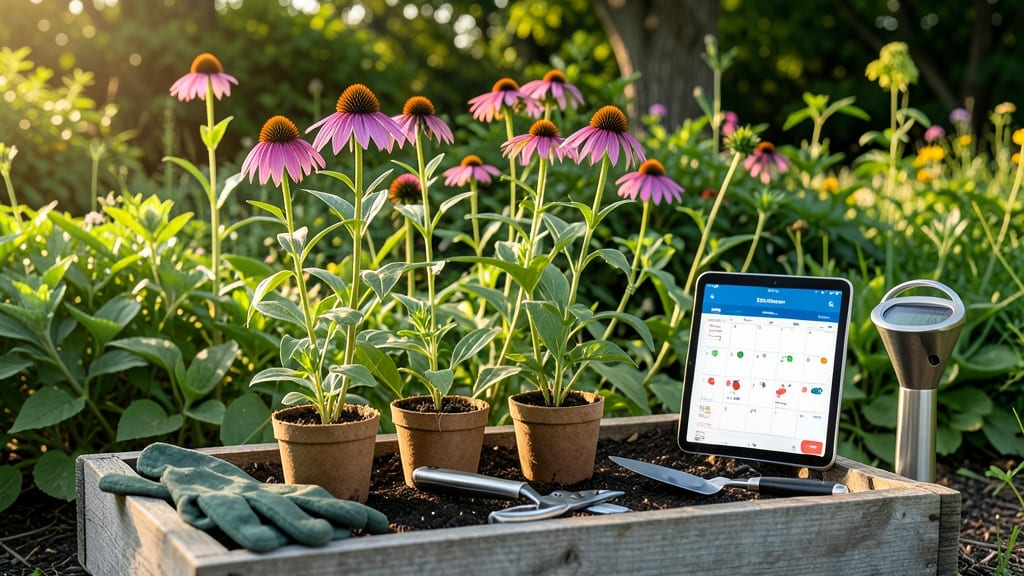
Planting your garden at the wrong time in Missouri can mean the difference between a bountiful harvest and wasted seeds—especially with the state’s unpredictable spring frosts and short growing season.
If you’ve ever wondered why some gardeners in 5b-6b zones seem to grow tomatoes and zucchini effortlessly while others struggle, the answer lies in timing.
Missouri’s climate demands precision: cool-season crops like kale and peas need to go in early, while heat-lovers like basil and beans wait until after the last frost—usually around mid-April in most regions.
But here’s the kicker: fall planting can be just as productive, giving you a second chance at fresh veggies before winter sets in.
Whether you’re a beginner or a seasoned gardener, I’ll break down the exact windows for spring vs. fall planting—so you can avoid common mistakes and maximize your yield.
Ready to turn your Missouri garden into a thriving oasis? Let’s dive into the perfect planting schedule for your favorite crops, tailored to your local climate.
Missouri’s ideal planting windows: spring vs fall timing by region
Missouri’s USDA hardiness zones 5b-6b create a unique gardening challenge—cool springs, hot summers, and unpredictable frosts demand precise planting timing. The average last frost date ranges from mid-April in southern Missouri to early May in northern regions, while the first frost typically arrives between mid-October and early November.
Getting these dates right means the difference between a thriving garden and wasted seeds.
For spring planting, focus on two key groups: cool-season crops (like lettuce and peas) that tolerate light frosts, and warm-season crops (such as tomatoes and beans) that need soil temperatures above 60°F.
Fall planting offers a second chance for cool-season crops like kale and carrots, extending your harvest well into November. Let’s break down the best times for your specific region.
| Region | Last Frost Date | First Frost Date | Spring Planting Window | Fall Planting Window |
|---|---|---|---|---|
| Southern Missouri (e.g., Springfield) | Mid-April | Late October | Early April (cool crops) / Late April (warm crops) | Late July to early September |
| St. Louis Area | Early April | Mid-October | Late March (cool crops) / Early May (warm crops) | Early August to late September |
| Kansas City Area | Early May | Early November | Late April (cool crops) / Mid-May (warm crops) | Late July to early September |
| Northern Missouri (e.g., Columbia) | Late April | Mid-October | Early April (cool crops) / Late May (warm crops) | Late July to mid-September |
Missouri’s short growing season (about 165 frost-free days) means timing is critical.
For spring planting, cool-season crops like spinach, peas, and lettuce can go in as early as February or March under row covers, while warm-season crops like tomatoes and peppers should wait until soil temperatures hit 60°F+. Use a soil thermometer to check—planting too early can stunt growth.
Fall planting is your secret weapon for extended harvests. Start seeds indoors in July for cool-season crops like broccoli and cabbage, then transplant them outdoors 4-6 weeks before your first frost.
This strategy lets you enjoy fresh greens well into November, even when nights grow chilly. Just be sure to choose fast-maturing varieties to avoid frost damage.
Regional microclimates play a huge role. Urban areas like St. Louis often experience earlier last frosts than rural zones due to the "heat island effect", while higher elevations in the Ozarks may have 2-3 weeks later frost dates.
Check local cooperative extension service data or use a frost calendar app to fine-tune your schedule.
Don’t overlook container gardening for warm-season crops—it lets you start 2-3 weeks earlier than in-ground planting. Fill containers with heat-retentive materials like black plastic or dark mulch to warm the soil faster. Just ensure containers have drainage holes to prevent root rot from Missouri’s humid summers.
Pro tip: Mark your planting dates on a garden calendar and set reminders for soil prep. Missouri’s clay-heavy soils benefit from amending with compost 4-6 weeks before planting to improve drainage and fertility.
Aim for a pH of 6.0-7.0 for most vegetables—test your soil in early spring to adjust if needed.
Remember, Missouri’s weather is unpredictable. Always have row covers or cold frames on hand for late-season protection. With the right timing, you’ll turn Missouri’s challenges into bountiful harvests from spring through fall.
Missouri’s ideal planting windows: spring vs fall timing by region
Missouri’s USDA Zones 5b-6b mean your planting schedule depends heavily on last frost dates, which vary by region. In St. Louis, the average last frost arrives around April 15, while Kansas City sees it slightly later, near April 22.
Rural areas in southern Missouri may enjoy 2-3 weeks earlier planting windows, giving them a head start on the growing season.
Understanding these regional differences is critical because planting warm-season crops like tomatoes or peppers too early can lead to frost damage, while cool-season crops like spinach or peas planted too late may bolt before harvest. Missouri’s 165 frost-free days create a tight window for maximizing yields, so timing is everything.
| Region | Last Frost Date | First Frost Date | Spring Planting Window | Fall Planting Window |
|---|---|---|---|---|
| St. Louis | April 15 | October 15 | April 15-May 15 | August 15-September 15 |
| Kansas City | April 22 | October 20 | April 22-May 20 | August 1-September 10 |
| Southern Missouri | March 25 | October 30 | March 25-April 15 | August 1-September 20 |
For spring planting, focus on cool-season crops like lettuce, peas, and spinach in early March (with row covers for protection). Once the last frost passes, transition to warm-season crops such as tomatoes, peppers, and squash.
In Missouri, late July is the cutoff for planting warm-season crops to ensure they mature before frost.
Fall planting offers a second chance for cool-season crops. Start seeds indoors in early August for transplants ready by mid-August. Direct sow hardy greens like kale and radishes in late August for harvests before winter sets in.
This strategy extends your harvest window by 4-6 weeks and maximizes garden space.
Missouri’s humidity and summer heat can stress plants, so always monitor soil moisture and provide afternoon shade for delicate seedlings during peak summer months. Using mulch helps retain moisture and regulate soil temperature, which is especially critical in Zone 6b areas prone to sudden temperature swings.
Pro tip: Keep a planting journal to track your local frost dates and adjust future schedules. Over time, you’ll refine your timing to match your microclimate—whether you’re in urban St. Louis or rural farmland.