
Plants
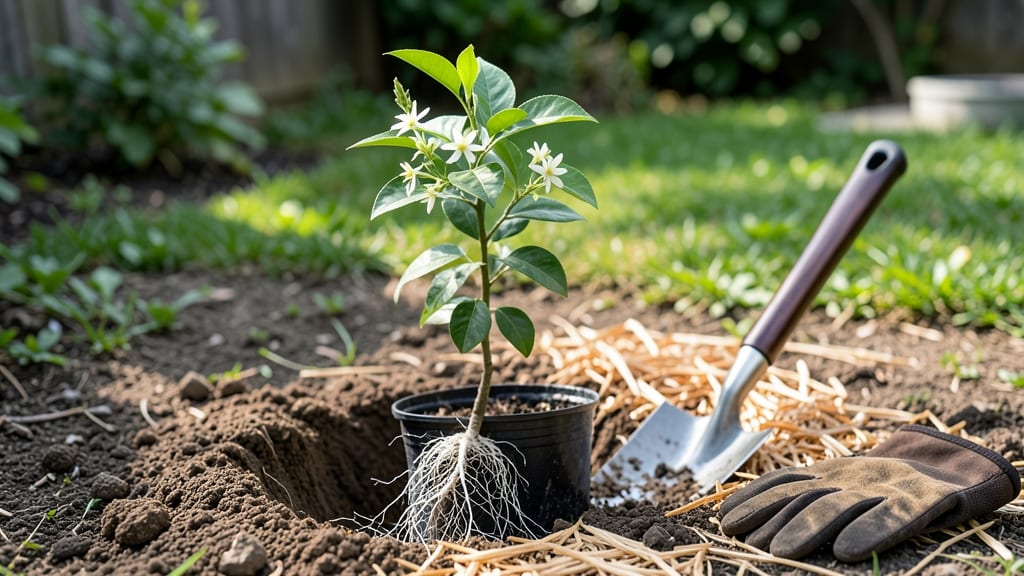
Planting a lemon tree in the ground at the wrong time can mean the difference between a thriving citrus grove and a sad, struggling sapling—so timing is everything for these warmth-loving plants.
If you're dreaming of fresh lemons straight from your backyard, you'll want to plant your lemon tree during the ideal window when soil temperatures are consistently warm. For most regions, this means waiting until late winter to early spring, when frost risk has passed and the ground has thawed.
But here's the catch: lemon trees are tropical divas and need consistent warmth to thrive. In cooler climates, you might need to wait until after the last frost date or even extend the season with containers.
Let's break down exactly when to plant for your specific zone so you can set your lemon tree up for success.
You'll discover the perfect planting timeline for your area, plus pro tips to protect your tree from unexpected cold snaps. Ready to get growing?
Optimal planting windows for lemon trees by USDA hardiness Zones
Lemon trees are tropical divas—they hate cold and thrive only when soil temperatures stay above 60°F (15°C). In warmer climates like USDA Zones 9-11, you can plant year-round, but spring planting (after last frost) gives your tree the best start.
In colder zones (Zone 8 and below), timing becomes critical to avoid frost damage.
Your local last-frost date is your golden rule. For example, in Zone 9, you can plant as early as February, while in Zone 7, wait until mid-April when nighttime temps consistently stay above 55°F (13°C).
Soil warmth matters more than air temperature—stick your finger 6 inches deep; if it feels cool, wait a few weeks.
Here’s how to match your zone to the perfect planting window, including soil prep and microclimate tricks to extend your growing season.
| USDA Zone | Ideal Planting Window | Soil Temp Threshold | Key Considerations |
|---|---|---|---|
| 9-11 (Tropical) | Year-round (best: Feb-Apr) | 60°F+ (15°C+) | No frost risk; plant in well-draining soil with full sun. Use mulch to retain warmth. |
| 8 (Mild Winters) | Mid-April to May | 55°F+ (13°C+) | Wait until nighttime temps stay above 50°F (10°C). Use row covers for early planting. |
| 7 (Cool Summers) | Late May to June | 60°F+ (15°C+) | Plant in containers for mobility or use greenhouses. Avoid planting before Memorial Day. |
| 6 or Below (Cold) | Only in containers (move indoors in winter) | N/A (potted soil must stay warm) | Choose dwarf varieties like 'Meyer'. Plant in large pots with heat mats in winter. |
If you’re in Zones 9-11, spring planting (after February 15th) gives roots time to establish before summer heat. In Zone 8, aim for after Mother’s Day—this ensures your tree avoids late-spring frosts that can blacken leaves overnight.
For Zones 7 and below, container growing is your best bet unless you’re willing to winter-proof your tree with frost cloths and indoor lighting.
Pro tip: Use a soil thermometer to confirm warmth. Lemon trees won’t thrive if soil stays below 60°F (15°C) for more than a few days. In cooler zones, black plastic mulch can raise soil temps by 5-10°F—a game-changer for early planting.
For container growers, plant anytime the soil is workable, but spring or early summer gives your tree the longest growing season. Just remember: potted lemons dry out faster and need daily watering in summer heat.
Microclimates matter! Even in cold zones, south-facing walls or greenhouse setups can create pockets warm enough for lemon trees. I once grew a Meyer lemon in Zone 6 by planting it against a sunny brick wall—it produced fruit for 3 years before a late frost took it.
Your local nursery can help pinpoint exact dates, but these guidelines cover 90% of U.S. growers. The key? Wait for warmth, not just the calendar.
Signs your lemon tree is ready for ground planting (and 3 critical mistakes to avoid)
Before you rush to plant your lemon tree in the ground, check these three key readiness signs—skipping these can lead to root shock or even death. First, examine the root system: healthy roots should be white or light tan, not brown or mushy.
If roots are tangled in a root-bound pot, gently loosen them to encourage outward growth.
Next, assess the plant's maturity. A ready-to-plant lemon tree will have a thick trunk (at least 1-2 inches in diameter) and 4-6 sturdy branches. If your tree is still leggy or has sparse foliage, give it another month or two in a pot to strengthen.
Finally, verify the weather forecast—plant only when nighttime temperatures stay above 50°F (10°C) for at least 2-3 weeks.
⚠️ Critical Mistake: Planting Too Early
Planting before soil temperatures reach 60°F (15°C) stresses roots, slowing growth by 30-50%. Cold soil also increases fungal diseases like root rot. Wait until late spring in USDA Zones 8-10 or early fall in Zones 11+.
Another deadly error is overwatering after transplanting. Lemon trees hate soggy roots—water deeply once a week for the first month, then taper to every 10-14 days once established. Use a moisture meter to check soil depth (aim for 60% moisture at 2 inches down).
Mulch with 3-4 inches of wood chips to retain moisture without suffocating roots.
Poor drainage is the third silent killer. Lemon trees demand well-draining soil—amend heavy clay with sand and compost (ratio: 1:1:1) to prevent waterlogging. Test your soil’s pH too; lemons thrive in acidic soil (pH 6.0-7.0).
If your soil is alkaline, mix in sulfur or peat moss to lower pH gradually.
Pro tip: Prune damaged branches before planting to reduce stress. Use sterilized pruners to cut back any limbs that look brown or brittle. This encourages new growth and helps the tree focus energy on root establishment rather than repairing old damage.
After planting, stake young trees if your area gets windy conditions—lemon trees can topple easily in their first year.
Finally, avoid the urge to fertilize immediately after planting. Wait 8-12 weeks to let roots recover, then apply a balanced citrus fertilizer (6-6-6). Over-fertilizing burns roots and attracts pests. Monitor for aphids or spider mites—common after transplant shock—and treat with neem oil if needed.