
Planting
Oklahoma’s 4 planting zones: when to start seeds indoors vs. direct-sow outdoors
Oklahoma spans USDA Hardiness Zones 6a–8a, creating distinct planting windows across its four main regions. The Panhandle (Zone 7b-8a) enjoys later last-frost dates, while the Southeast (Zone 7a-7b) often sees frost as early as mid-March.
Understanding your zone helps you time indoor seed starts and direct-sowing perfectly for maximum yields.
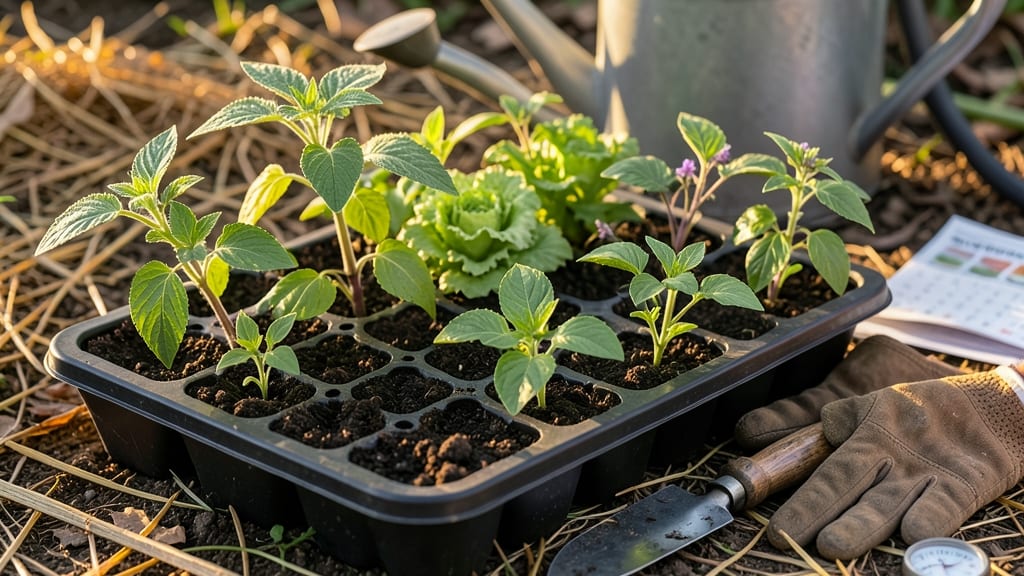
For cool-season crops like lettuce, spinach, and peas, I recommend starting seeds indoors 6–8 weeks before your last frost date. In Zone 6a (northwest OK), that means mid-January to early February, while Zone 8a (Panhandle) can wait until late February.
Warm-season crops like tomatoes, peppers, and cucumbers need a 2–3 week head start indoors before transplanting after the last frost.
Here’s how to match your planting strategy to Oklahoma’s zones:
In Zone 6a, I always start basil and tomatoes indoors by February 1st to ensure they’re ready for transplanting after the mid-April last frost.
The Southeast’s earlier frost dates let me sow radishes and lettuce outdoors as early as late January, while the Panhandle’s warmer microclimate allows for direct-sowing cucumbers by early April.
Pro tip: Use row covers to extend your cool-season window by 2–4 weeks in colder zones. I’ve successfully grown kale and carrots through November in Zone 7a with lightweight frost cloth.
For warm-season crops, wait until soil temps hit 60°F+ before transplanting. In Zone 8a, that’s often mid-April, while Zone 6a may need to wait until May 1st. Always check soil temperature with a thermometer—it’s more reliable than air temperature.
If you’re unsure about your exact last frost date, check the Oklahoma Mesonet or your local Cooperative Extension Service for hyper-local data. Even a 5-mile difference in elevation can shift frost dates by 1–2 weeks.
For a fall garden, I recommend planting cool-season crops in August (Zone 6a) or September (Zone 8a) to harvest before the first frost. Spinach and arugula are my top picks for late-season success.
Remember: Direct-sowing hardy crops like peas and radishes saves time and reduces transplant shock. But for tomatoes and peppers, the 2–3 week indoor head start makes all the difference in Oklahoma’s short growing season.
Microclimate-specific planting adjustments: Southeast vs. Panhandle timelines
Oklahoma’s three distinct microclimates—humid Southeast, arid Panhandle, and moderate Cross Timbers—require customized planting schedules to avoid frost damage or heat stress. The Southeast (USDA Zone 7b-8a) enjoys earlier last-frost dates (March 15), while the Panhandle (Zone 6b-7a) often waits until April 1-15.
Even within these regions, elevation shifts timelines by 1-2 weeks.
For example, Tulsa’s humid climate lets gardeners direct-sow lettuce and peas by February 20, but Amarillo’s dry heat demands waiting until March 20 for the same crops. The Cross Timbers region falls in between, with March 25 as a safe average for cool-season starts.
Here’s how to adjust your schedule based on your location:
Use the Oklahoma Mesonet frost-free maps to pinpoint your exact last-frost date. For instance, Claremore’s average last frost is March 20, while Guymon’s is April 5.
Pro tip: Plant heat-loving crops like tomatoes only after soil temps hit 60°F+, which can lag behind air temps by 1-2 weeks.
In the humid Southeast, prioritize disease-resistant varieties (e.g., ‘Cherokee Purple’ tomatoes) to combat fungal risks from frequent rain. Meanwhile, the Panhandle’s drought conditions call for deep-watering techniques and mulching to retain moisture for peppers and squash.
For fall planting, aim to sow cool-season crops by August 15 in the Southeast and September 1 in the Panhandle. Use row covers to extend harvests into November, especially in Zone 7b+ areas where first frosts arrive late.
🌱 Pro Tip: Bookmark the Oklahoma State University Extension’s frost calendar and set phone reminders for your region’s critical dates—because missing a 2-week window can mean the difference between a bountiful harvest and wilted seedlings.