Planting
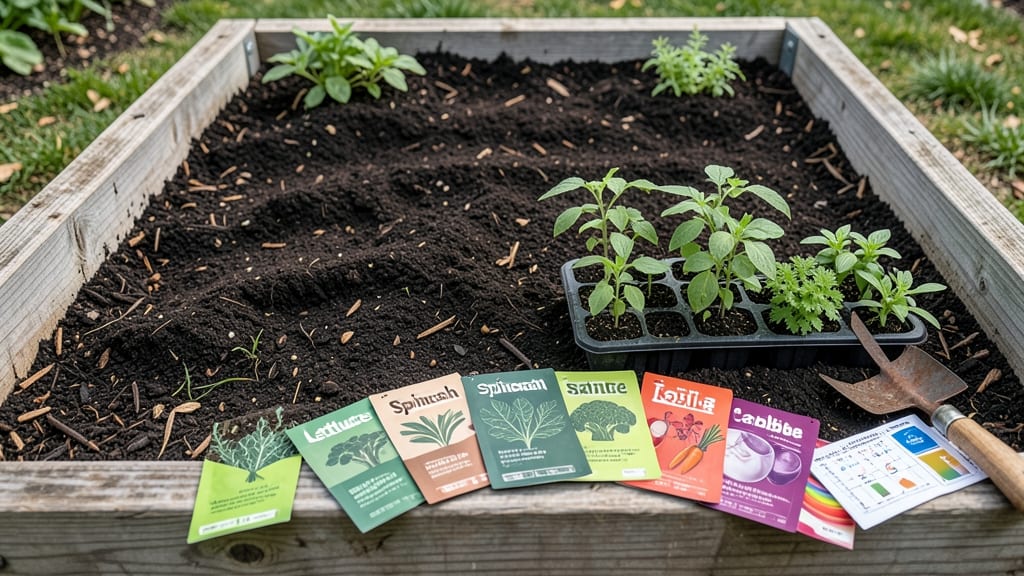
Seattle’s coastal vs inland planting zones: key dates for frost-free success
Seattle’s USDA Zone 8a climate is deceptive—coastal areas near Puget Sound stay cooler longer, while inland zones like Redmond or Kenmore warm up faster. This 10-14 day difference in frost dates means your planting schedule must adapt.
For example, coastal gardens often wait until May 15 for tomatoes, while inland areas can plant by May 1. Understanding these zones is your first step to avoiding frost damage and maximizing harvests.
Your last average frost date is March 15 for most of Seattle, but coastal pockets like West Seattle or Bainbridge Island may see frost until April 1. Meanwhile, urban heat islands (like downtown or Bellevue) can push soil temperatures 5-10°F warmer than rural areas.
Use these microclimates to your advantage—plant heat-loving crops like peppers and eggplants in warmer pockets, while sticking to cool-season greens in chilly coastal spots.
Here’s how to align your planting with Seattle’s two distinct zones:
| Factor | Coastal Zone (8a) | Inland Zone (7b-8a) |
|---|---|---|
| Last Frost Date | April 1 | March 15 |
| First Frost Date | November 1 | October 31 |
| Frost-Free Window | 215 days | 240 days |
| Soil Warming Speed | Slow (marine layer) | Fast (urban heat) |
| Ideal Planting Window | May 15–June 15 | April 15–May 30 |
| Best for Early Planting | Peas, spinach, kale | Peas, lettuce, radishes |
| Best for Late Planting | Bush beans, zucchini | Tomatoes, peppers, eggplant |
Warm-season crops like tomatoes, peppers, and cucumbers need a consistent soil temperature above 50°F to thrive. In coastal Seattle, this often means waiting until late May to transplant seedlings, while inland gardeners can start as early as mid-April.
Use a soil thermometer to confirm—these crops will stall or die in cold soil. For reference, ‘Early Girl’ tomatoes mature in 55 days, so coastal planters should aim for June 15 transplants to harvest by August 15.
Cool-season crops like lettuce, spinach, and kale are your best bet for early planting. These hardy greens tolerate light frosts and can even be direct-sown in March for coastal areas or February in inland zones.
Successive plantings every 2-3 weeks ensure a continuous harvest through June. For example, sow ‘Black Seeded Simpson’ lettuce on March 1, March 15, and April 1 for a staggered harvest.
One common mistake is assuming all of Seattle follows the same schedule. Urban heat islands (like Ballard or Fremont) can push soil temperatures 5-10°F higher than nearby coastal areas, allowing you to plant heat-lovers 10-14 days earlier.
Conversely, shaded gardens (e.g., under large trees) may need to delay planting by 2 weeks to avoid cold stress. Always scout your specific microclimate before committing to a planting date.
For fall planting, aim to sow cool-season crops by August 15 (coastal) or August 1 (inland) to ensure they mature before the first frost. Broccoli, cabbage, and carrots are excellent choices—they thrive in 50-60°F soil and can handle light frosts.
Use row covers to extend the season by 2-3 weeks if needed. My go-to fall crop is ‘Winter Density’ kale, which sweetens with frost and stays productive until November.
Pro tip: Check the WSU Extension’s Seattle frost forecast (updated annually) for real-time adjustments. Their data accounts for localized variations that generic zone maps miss
Month-by-month planting calendar for Seattle gardens: what to sow when
Seattle’s variable climate means your planting schedule must adapt to coastal chill and inland warmth. Start by marking March 15 as your average last frost date—but adjust for your microclimate. Coastal areas near Puget Sound may face delays, while inland zones like Redmond or Bellevue can plant earlier.
Use this month-by-month guide to align your garden with Seattle’s 165 frost-free days.
For cool-season crops like lettuce and peas, begin sowing indoors in February (8-10 weeks before last frost) or directly outdoors in March. These hardy greens thrive in 40–60°F soil and can handle light frosts.
Meanwhile, warm-season lovers like tomatoes and peppers need to wait until after May 15 for coastal areas or April 15 inland to avoid frost damage.
📅 Seattle Planting Calendar
| Month | Indoor Start | Outdoor Direct Sow | Transplant |
|---|---|---|---|
| February | Spinach, Kale, Lettuce | Peas, Radishes | — |
| March | Broccoli, Cabbage, Onions | Carrots, Beets, Spinach | Onion Sets |
| April | Tomatoes, Peppers, Eggplant | Green Beans, Corn | Herbs (Basil, Cilantro) |
| May | — | Cucumbers, Squash, Zucchini | Tomatoes, Peppers (after frost risk) |
| August | Fall Lettuce, Spinach | Radishes, Turnips | Broccoli, Kale |
*Adjust dates 2 weeks earlier for inland areas, 2 weeks later for coastal zones.
Succession planting is your secret weapon for continuous harvests. Sow lettuce every 2 weeks from March to September, and radishes every 3 weeks for non-stop greens. For warm-season crops, plant green beans in late May and again in July to stretch your harvest window.
Heat-tolerant varieties like ‘Black Krim’ tomatoes or ‘Bush Early Blue’ corn are perfect for late starts.
Don’t overlook fall planting—Seattle’s mild autumn allows for a second harvest. Start cool-season crops in August for a September–November bounty. Use row covers to protect tender greens from early frosts, extending your season by 3–4 weeks.
Plan ahead: spinach and kale thrive in cool weather, while broccoli and cabbage need consistent moisture to sweeten up before winter.
Pro tip: Use WSU Extension’s Seattle frost maps to fine-tune your schedule. Urban heat islands (like Downtown or Ballard) can push your last frost back by 1–2 weeks, while coastal areas like West Seattle may need to wait until May 1 for tomatoes.
Always check soil temperature—50°F+ is the magic number for warm-season crops.
With this calendar, you’ll avoid the common pitfalls of planting too early (frost damage) or too late (missed harvests). Start small, track your microclimate, and soon you’ll master Seattle’s unpredictable but rewarding growing season. Happy planting! 🌱