Plants
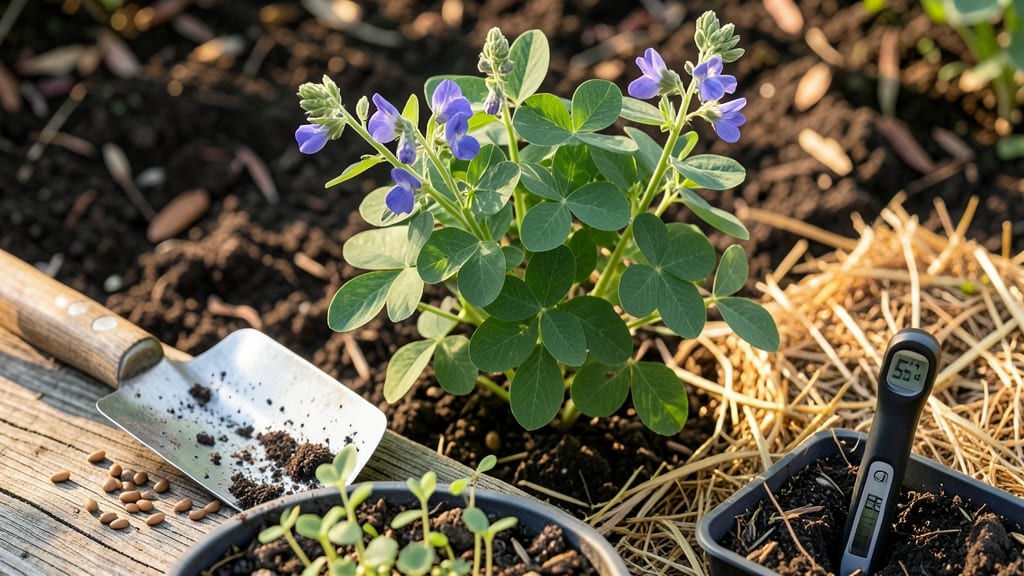
Planting alfalfa in Oklahoma at the wrong time can mean wasted seeds and stunted growth—but get the timing right, and you’ll unlock drought-resistant harvests that thrive year after year. With Oklahoma’s 6b-8a climate, the difference between a thriving crop and a struggle often comes down to when you put those seeds in the ground.
Most Oklahoma farmers swear by early spring planting between March and April, when soil temperatures hit 50°F and the last frost has passed. But late summer (August-September) is another smart window, especially in southern regions where heat lingers longer.
The key? Avoid waterlogged soil and align with your local frost dates—whether that’s March 1st in the north or April 15th in the south.
Why does timing matter so much? Alfalfa is a hardy perennial, but it needs the right conditions to establish deep roots before Oklahoma’s summer heat kicks in. I’ll break down the best months for your specific zone, plus pro tips to adjust for drought or unexpected weather.
Ready to grow a resilient crop that stands up to Oklahoma’s challenges?
From soil prep to post-planting care, we’ll cover everything you need to know to make your alfalfa planting a success. Let’s get those seeds in the ground at the perfect moment for maximum yields and minimal stress.
Best planting months for alfalfa in Oklahoma’s climate zones
Oklahoma’s diverse climate—from the cooler northern regions to the warmer southern plains—means alfalfa planting times can vary by 100 miles or more. In USDA Zones 6b-8a, your success hinges on aligning planting with soil temperatures and frost-free windows.
Northern Oklahoma (e.g., Oklahoma City) typically plants 2-3 weeks earlier than southern areas like Tulsa, where warmer microclimates extend the growing season.
For most of Oklahoma, the ideal planting windows are early spring (March-April) or late summer (August-September). Spring planting capitalizes on consistent rainfall and soil moisture, while fall planting avoids summer drought stress.
However, drought-resistant varieties like ‘Moapa’ or ‘CUF 101’ can push planting into late April or early October with proper irrigation.
Here’s how to match your location to the best planting month:
| Region | Last Frost Date | Best Planting Months | Soil Temp Goal | Drought Tip |
|---|---|---|---|---|
| Northern OK (e.g., Enid, Woodward) | March 1–15 | March–April or August | 50°F+ | Use mulch to retain moisture |
| Central OK (e.g., Oklahoma City, Stillwater) | March 15–April 1 | April or August–September | 50°F+ | Plant drought-tolerant seeds |
| Southern OK (e.g., Tulsa, Lawton) | April 1–15 | April–May or September | 55°F+ | Irrigate deeply post-planting |
Spring planting is the gold standard for alfalfa in Oklahoma because it aligns with natural rainfall patterns and warmer soil temperatures. Aim to plant 4–6 weeks before your area’s last frost—this gives seeds time to germinate before heat stress sets in.
For example, in Oklahoma City, planting in mid-March ensures germination before April’s unpredictable storms.
Fall planting is riskier but can work if you choose drought-resistant varieties and plant 6–8 weeks before first frost. Southern Oklahoma’s later frost dates (e.g., November 1 in Tulsa) allow for September plantings, while northern areas should stick to August.
The trade-off? Fall-planted alfalfa may struggle to establish roots before winter dormancy.
Pro tip: Test your soil temperature with a soil thermometer—alfalfa seeds need 50°F+ soil to germinate. If temperatures dip below this, wait 1–2 weeks or use black plastic mulch to warm the soil faster.
In dry years, prioritize deep irrigation over frequent light watering to prevent root rot.
One common mistake? Planting too early in cold, wet soil. Alfalfa seeds rot if soil temps are below 45°F. Use a moisture meter to confirm soil is 60% moisture at planting—dry soil can delay germination by 2+ weeks.
In sandy soils (common in western Oklahoma), add compost to improve water retention.
For maximum yields, pair your planting timing with variety selection. In northern Oklahoma, ‘Ladak’ or ‘Moapa’ handle shorter seasons, while southern growers favor ‘CUF 101’ for heat tolerance.
Always buy certified alfalfa seeds from reputable suppliers to avoid weed contamination, which can reduce yields by 30%+.
🌱
How to adjust planting time for drought conditions in Oklahoma
Oklahoma’s dry spells can turn your alfalfa planting schedule upside down—but with the right adjustments, you can still achieve healthy, drought-resistant growth. The key is monitoring soil moisture and choosing drought-tolerant varieties like 'CUF 101' or 'Wicheita'.
These varieties thrive even when rainfall is scarce, making them ideal for Oklahoma’s unpredictable climate.
Start by testing your soil’s moisture levels before planting. Use a simple screwdriver test: push it into the soil—if it comes out dry, wait for rain or irrigate lightly. Aim for soil temperatures above 50°F to ensure germination success, even in late plantings.
If drought hits after planting, prioritize deep watering over frequent shallow watering. Soak the soil to a depth of 6-8 inches every 7-10 days to encourage deep root growth. This method helps alfalfa survive dry periods by developing a robust root system that accesses moisture deeper underground.
For emergency late-season plantings, opt for August-September timing instead of spring. This window allows alfalfa to establish roots before winter, reducing stress during Oklahoma’s hot summers. Use a mulch layer (like straw) to retain soil moisture and suppress weeds, which compete for water.
Monitor your alfalfa for drought stress signs, such as wilting leaves or grayish-green foliage. If you spot these, increase watering frequency temporarily and consider a light foliar feed with potassium to boost resilience.
Remember, alfalfa’s deep roots make it more drought-tolerant than many crops—but proactive care makes all the difference.
With these adjustments, you can successfully plant alfalfa in Oklahoma’s drought-prone conditions while maximizing yields. Stay flexible with your schedule, and your alfalfa will reward you with lush, hardy growth year after year. 🌱💧