Plants
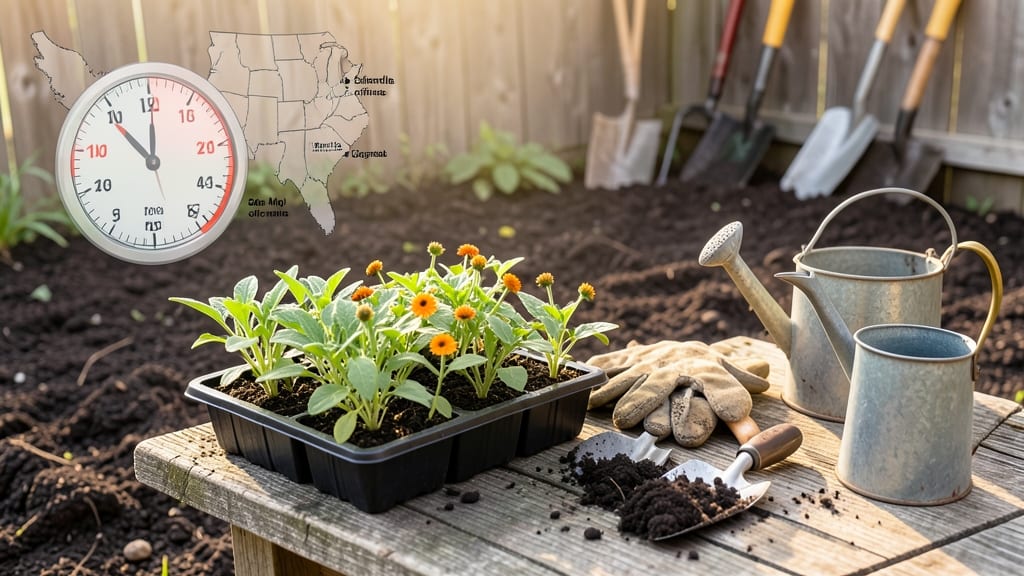
Timing your annuals planting in Colorado could mean the difference between a garden bursting with 🌸 and one that freezes before it even takes root.
With USDA zones 5-7 and frost dates that shift wildly between the Front Range and Western Slope, guessing when to plant annuals is a recipe for disappointment. But here's the good news: knowing your microclimate's exact frost-free deadlines transforms your garden from risky gamble to reliable blooms.
I'll walk you through Colorado's three distinct planting zones, including when to start seeds indoors and when to transplant outdoors for zero-frost survival. We'll cover everything from Denver's urban heat islands to mountain valleys where cold lingers longer.
Whether you're planting cosmos in mid-April or zinnias in late July, these microclimate-specific strategies will help you maximize your growing season and avoid the heartbreak of frost-killed seedlings.
Colorado’s 3 microclimates & their exact annual planting deadlines
Colorado’s diverse geography means your annual planting deadlines can vary by hundreds of miles—and thousands of feet. The Front Range, Western Slope, and Eastern Plains each have distinct frost patterns, forcing gardeners to adjust planting windows by 2-4 weeks depending on location.
Let’s break down the exact dates you need to know for each region, using data from Colorado State University and local weather stations.
For Front Range gardeners (Denver, Boulder, Fort Collins), the last average frost date hovers around April 15, but high-altitude areas like Evergreen or Nederland can see frost as late as May 10.
Meanwhile, the Western Slope (Grand Junction, Durango) enjoys a 2-3 week earlier start, with last frosts typically by April 1. The Eastern Plains (Pueblo, Colorado Springs) fall somewhere in between, with April 22 as the average last frost date.
Here’s the critical rule: Plant annuals 2-3 weeks after your region’s last frost date to ensure zero frost risk. For example, if your last frost is April 20, wait until May 5 to plant heat-loving varieties like marigolds or tomatoes.
But for cold-hardy annuals (like pansies or snapdragons), you can start 1-2 weeks earlier.
| Region | Last Frost Date | Safe Planting Window | First Frost (Fall) | Fall Planting Deadline |
|---|---|---|---|---|
| Front Range (Denver/Boulder) | April 15 | May 1–May 15 | October 10 | August 20 |
| Western Slope (Grand Junction) | April 1 | April 15–April 30 | October 20 | September 5 |
| Eastern Plains (Pueblo) | April 22 | May 1–May 10 | October 5 | August 10 |
| High Altitude (>7,000 ft) | May 10–May 20 | June 1–June 10 | September 20–October 5 | August 5–August 15 |
Deadlines adjust 1–2 weeks earlier for urban heat islands (e.g., Denver suburbs).
Fall planting is equally critical, but timing is tighter. For cool-season annuals like kale or pansies, aim to plant 4–6 weeks before your first frost. In the Front Range, that means late July to early August, while the Western Slope can extend planting until mid-September.
Pro tip: Use row covers to push back frost dates by 2–3 weeks in high-risk areas.
Don’t overlook succession planting—a strategy where you stagger plantings every 2–3 weeks to ensure a continuous harvest. For example, in Denver, plant bush beans on May 15, June 1, and June 15 to enjoy fresh pods all summer.
This works especially well for fast-maturing annuals like radishes (30 days) or lettuce (45 days).
For high-altitude gardeners (think Leadville or Breckenridge), add an extra 2–4 weeks to the standard timeline. Soil temperatures lag behind lower elevations, so wait until after May 20 to plant even frost-resistant varieties.
Test soil temperature with a soil thermometer—aim for 50°F (10°C) for most annuals, though cool-season crops like spinach can tolerate 40°F (4°C).
One common mistake? Planting heat-sensitive annuals (like impatiens or coleus) too early. These thrive in 70–85°F soil and will bolt or rot if planted before May 30
How to adjust planting times for your specific elevation & urban heat islands
Colorado’s elevation variations can shift planting windows by weeks—even within the same city. Denver’s 5,280-foot elevation means last frost typically arrives around May 15, while Grand Junction (4,400 feet) sees frost-free conditions by April 1.
Meanwhile, Pueblo’s 4,700-foot zone often aligns with Denver but with earlier soil warming due to desert-like conditions.
Urban heat islands add another layer of complexity. Downtown Denver can be 5-10°F warmer than suburban areas, allowing earlier planting of heat-loving annuals like marigolds or sunflowers by 2-3 weeks.
Conversely, mountain valleys like Boulder’s flatirons or Fort Collins’ foothills may experience late-season frosts until June 1, requiring cold-tolerant varieties or row covers.
🌱
🌡️ Colorado Planting Adjustments by Location
| Location | Elevation | Last Frost | First Frost | Adjustment Tip |
|---|---|---|---|---|
| Denver Metro | 5,280 ft | May 15 | Oct 1 | Use row covers for early starts; wait until soil hits 55°F |
| Grand Junction | 4,400 ft | April 1 | Oct 15 | Plant heat-lovers 3 weeks earlier; watch for late spring frosts |
| Pueblo | 4,700 ft | April 20 | Oct 10 | Soil warms faster; start seeds indoors by March 15 |
| Aspen | 7,800 ft | June 10 | Sept 15 | Short season; focus on fast growers like radishes or lettuce |
For precise timing, check your local CoCoRaHS weather station (cocorahs.org) or use the National Weather Service’s frost prediction maps. Add 2-3 weeks to the average last frost date for high-altitude gardens—these extra buffer periods account for unpredictable mountain weather.
In urban areas, monitor heat island effects by placing a soil thermometer in your garden bed.
Pro tip: Succession planting works wonders in Colorado’s short season. Start cool-season crops like spinach or kale in March, then transition to warm-season annuals like basil or petunias after May 20. This staggered approach maximizes your harvest window and minimizes frost risk.
If you’re unsure about your local microclimate, observe your neighbors’ gardens. Established plants like roses or perennials can signal when it’s safe to plant annuals—once their leaves stop wilting overnight, you’ve likely passed the last frost. For extra safety, keep frost cloth handy until June 1 in high-altitude areas.
🌿