Plants
Michigan’s annual planting zones: when to plant by last frost dates
Michigan’s climate varies dramatically between its Upper Peninsula and Lower Peninsula, making frost dates a critical factor for annual planting success. The average last frost date in southern Michigan (like Detroit) is around April 15, while northern regions (like Traverse City) may see frost until May 10.
These differences can shift your planting window by 3-4 weeks, so knowing your zone is key.
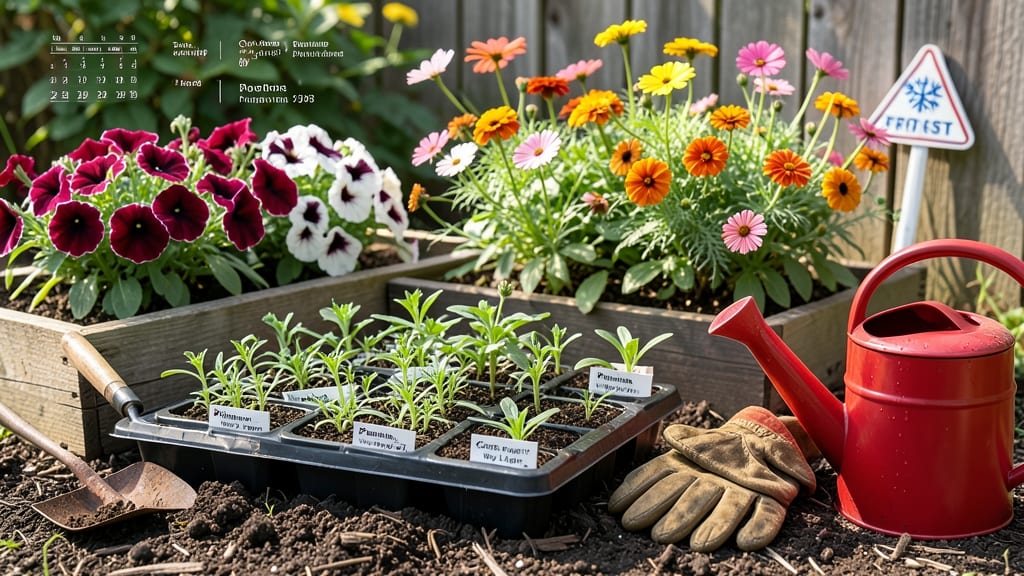
For cold-hardy annuals like pansies or sweet alyssum, you can start as early as late March in protected beds or under row covers. However, heat-loving varieties such as zinnias or marigolds should wait until soil temperatures reach at least 50°F (10°C), typically after May 15 in most areas.
Urban heat islands (like downtown Detroit) may allow earlier planting for warm-season crops.
Here’s how Michigan’s microclimates break down for annual planting:
| Region | Last Frost Date | Ideal Planting Window | Notes |
|---|---|---|---|
| Southern Lower Peninsula (Detroit, Ann Arbor) | April 15 | April 20 - May 10 (cool-season); May 20 - June 10 (warm-season) | Urban heat islands may allow earlier warm-season planting. |
| Northern Lower Peninsula (Traverse City, Grand Rapids) | May 10 | May 1 - May 20 (cool-season); May 25 - June 15 (warm-season) | Cooler soils delay warm-season planting by 2-3 weeks. |
| Upper Peninsula (Marquette, Houghton) | May 20 | May 15 - June 1 (cool-season); June 1 - June 20 (warm-season) | Shorter growing season; prioritize early-maturing varieties. |
Even within these zones, elevation and lake effects play a role. Areas near Lake Michigan (like Muskegon) may experience later frosts due to cooler lake breezes, while inland regions (like Lansing) can warm up faster.
Always check local frost-free date maps from resources like the Michigan State University Extension for precision.
For fall-blooming annuals, aim to plant between August 1 and September 1, giving them time to establish before the first frost (typically October 15). Use row covers or cold frames to extend their season by 2-4 weeks in fall.
This strategy works especially well for cosmos, snapdragons, and calendula, which tolerate light frosts.
If you’re unsure about your local frost dates, try the "10-day rule": Wait until you’ve had 10 consecutive frost-free days before planting tender annuals. This reduces the risk of damage from unexpected late frosts.
For extra protection, use frost cloth or plant in microclimates like south-facing slopes or near buildings that absorb heat.
Michigan’s USDA Hardiness Zones 5b-6b mean you’ll face both late spring frosts and early fall freezes. Plan your annual garden in two waves: Start with cold-hardy varieties in early spring, then transition to heat-loving plants after Memorial Day. This approach maximizes your bloom time and minimizes risk.
Pro tip: Keep a gardening journal to track your local frost dates over years. Michigan’s climate shifts with La Niña or El Niño patterns, so your notes will help refine your planting schedule.
For example, a La Niña year might bring colder springs, delaying your warm-season planting by 1-2 weeks.
🌱
Cold-hardy annuals for Michigan gardens: best varieties and planting tips
Michigan’s cool springs make cold-hardy annuals your secret weapon for early color and blooms. These varieties tolerate light frosts and even thrive in 40-50°F soil temperatures, giving you a head start before summer heat arrives.
My top picks include pansies, sweet alyssum, and snapdragons, which all handle Michigan’s late April frost risks like pros.
For best results, plant these frost-tolerant annuals as soon as soil is workable—typically mid-April in southern Michigan and late April in northern regions. Use row covers if nighttime temps dip below 32°F to protect delicate foliage.
I’ve found that pansies planted in March under covers often bloom by early May, beating summer annuals to the punch.
🌱 Early Spring Planting (March-April)
Pros
- ✅ Longer bloom time before summer heat
- ✅ Fewer pests in early season
- ✅ Soil is cooler—ideal for cool-loving plants
Cons
- ❌ Frost risk until mid-May
- ❌ Slower growth in cool soil
- ❌ Requires row covers for protection
🌞 Late Spring Planting (May-June)
Pros
- ✅ Faster growth in warmer soil
- ✅ No frost risk after mid-May
- ✅ Better for heat-tolerant varieties like cosmos
Cons
- ❌ Miss early blooms from cool-season plants
- ❌ Summer pests may appear sooner
- ❌ Bolting risk for some varieties
My go-to cold-hardy annuals for Michigan gardens include: - Pansies (tolerates 28°F temps) - Sweet Alyssum (blooms in 50°F soil) - Snapdragons (produces buds in 55°F soil) - Calendula (edible and frost-resistant) These varieties thrive in partial shade, making them perfect for Michigan’s morning sun and afternoon shade conditions.
To extend their bloom time, I recommend succession planting every 2-3 weeks through June. This ensures continuous color without gaps.
For example, plant sweet alyssum in early April, then again in mid-May—the first batch will fade by June, but the second will take over just as zinnias and marigolds begin their summer display.
For soil preparation, amend garden beds with compost and a balanced fertilizer (10-10-10) before planting. Cold-hardy annuals prefer well-draining soil with a pH of 6.0-7.0. I also add a 2-inch layer of mulch to retain moisture and regulate soil temperature—critical during Michigan’s unpredictable spring weather swings.
Don’t forget to deadhead spent blooms regularly to encourage more flowers. With the right timing and care, these cold-hardy annuals will give your Michigan garden months of vibrant color before summer annuals even get started. 🌷