Plants
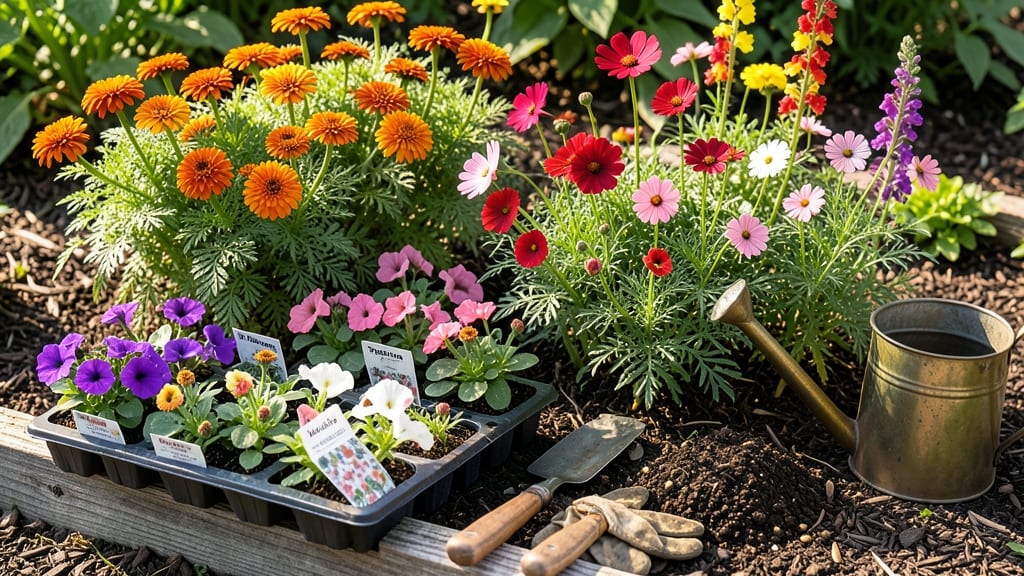
Timing your annuals planting in Pennsylvania can make the difference between a vibrant garden and a sad, frost-killed disappointment. With USDA zones 6a-7a and unpredictable weather patterns, knowing exactly when to plant your 🌸 annuals is the key to success.
Most gardeners in Pennsylvania wait until after the last frost date—typically April 15—to plant warm-season annuals like marigolds and impatiens. But timing isn’t one-size-fits-all, especially when you consider microclimates like Pittsburgh’s heat islands or the cooler mountain valleys.
In this guide, I’ll break down the best planting windows for both spring and fall, including soil temperature tips and how to adjust for container vs. in-ground planting. Whether you’re a beginner or a seasoned gardener, these insights will help you maximize your blooms and harvests all season long.
Ready to transform your garden? Let’s dive into the perfect planting schedule tailored just for Pennsylvania’s unique climate.
Pennsylvania’s planting heat zones: when to start annuals by region
Pennsylvania’s USDA Hardiness Zones 5b-7a create a patchwork of planting opportunities, but microclimates within each zone mean your neighbor’s last frost date might not match yours. For example, Pittsburgh’s Zone 6b often sees its last frost by April 15, while Philadelphia’s Zone 7a can wait until May 1.
Understanding these variations helps you time your cool-season (like pansies) and warm-season (like marigolds) annuals perfectly.
Mountain regions like State College (Zone 6a) experience later springs, sometimes delaying planting until May 10, while Erie’s lakeshore location (Zone 6a) warms faster due to lake-effect moderation. Rural areas in southcentral PA (Zone 7a) may even start warm-season crops like tomatoes 2 weeks earlier than northern zones.
Always check your local frost records—the Penn State Extension provides county-specific data.
🌱 PA’s Planting Heat Zones by Region
| Region | USDA Zone | Last Frost Date | First Frost Date | Safe Planting Window | Notes |
|---|---|---|---|---|---|
| Philadelphia | 7a | April 25–May 1 | October 15–20 | May 15–June 15 | Urban heat islands delay frost. |
| Pittsburgh | 6b | April 15–20 | October 10–15 | April 25–May 30 | Valleys warm faster than ridges. |
| Erie | 6a | April 10–15 | October 5–10 | April 20–May 20 | Lake effect extends growing season. |
| State College | 6a | May 5–10 | October 5–10 | May 15–June 1 | Mountainous terrain delays warmth. |
| Lancaster | 7a | April 20–25 | October 20–25 | May 10–June 10 | Amish Country’s fertile soil warms quickly. |
For cool-season annuals like lettuce or snap peas, start seeds indoors 6-8 weeks before your last frost date.
If you’re in Zone 6a (Erie or State College), that means mid-February sowing for an early May transplant. Warm-season annuals like tomatoes or basil, however, need soil temperatures above 60°F—so wait until after May 15 in most zones.
Pro tip: Use row covers or a cold frame to extend your planting window by 2-3 weeks in cooler zones. For example, I’ve successfully planted marigolds in early April in Pittsburgh by covering them until nighttime temps stabilize above 45°F.
Just remove covers when daytime highs exceed 70°F to prevent overheating.
Fall planting is equally critical—sow cool-season annuals like kale or pansies 6-8 weeks before your first frost. In Philadelphia (Zone 7a), that’s late July to early August, while Erie (Zone 6a) can wait until mid-August.
These late bloomers thrive in cooler weather and often outperform spring plantings by avoiding summer pests.
Microclimates aren’t just about elevation or urban heat—they’re also shaped by wind exposure and soil type. Sandy soils in northeastern PA warm faster than clay-heavy areas in southcentral PA
Step-by-step guide: safe planting dates for annuals in Pennsylvania’s climate
Timing is everything when planting annuals in Pennsylvania, where last frost dates can vary by 3 weeks from one region to another.
For most of the state, mid-April to late May is your sweet spot for spring planting, but always confirm your local frost-free window using the USDA zone map.
Start by checking soil temperatures—warm-season annuals like tomatoes and marigolds need soil at 60°F or warmer, while cool-season varieties (e.g., pansies, lettuce) can handle 45-50°F. Use a soil thermometer to avoid guesswork, especially in microclimates like urban heat islands or shaded valleys.
🌱 Step-by-Step Planting Timeline
- 📅 March 15-April 1: Start indoor seeds (6-8 weeks before last frost) for warm-season annuals like peppers and petunias.
- 🌱 April 15-May 15: Sow cool-season seeds directly outdoors (e.g., snapdragons, arugula) or transplant seedlings after frost risk passes.
- ☀️ May 16-June 15: Plant heat-loving annuals (e.g., sunflowers, basil) once soil reaches 60°F+.
- 🍂 August 1-September 15: Begin fall planting for cool-season annuals (e.g., kale, cosmos) 6-8 weeks before first frost.
- ❄️ October 1: Cover tender plants with row fabric if nights dip below 40°F.
For container gardening, extend your planting window by 2-3 weeks—pots warm up faster and can be moved to protect from frost. Harden off seedlings gradually by placing them outdoors for 1-2 hours daily starting 10 days before transplanting.
Moon phases also play a role: Plant leafy greens during the moon’s waxing phase (growth-focused) and root crops (like radishes) during the waning phase. Use a lunar calendar to align your planting with natural rhythms.
In Zone 5b (e.g., State College), wait until May 10 for warm-season plants, while Zone 7a (e.g., Philadelphia) can start as early as April 15. Always have frost cloth on hand for late-season surprises—Pennsylvania’s weather is famously unpredictable!
Pro tip: Mark your calendar with local frost dates and set reminders for fertilizing (every 4-6 weeks) and deadheading (weekly) to keep annuals thriving through October. 🌼