Trees
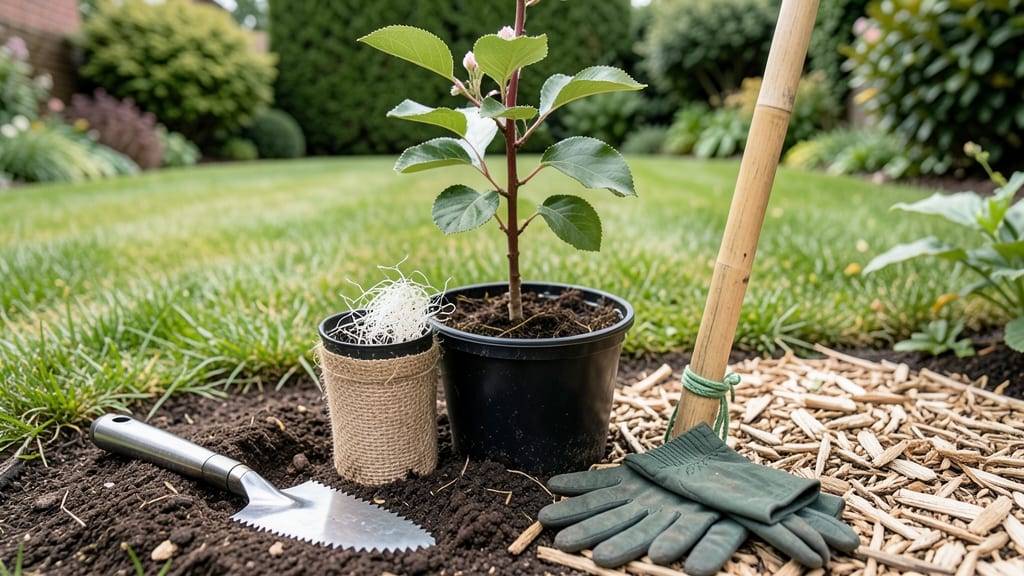
Timing your Apple Tree 🍎 planting in Alabama wrong could mean the difference between a flourishing orchard and years of struggling with weak growth. With the state's diverse climate zones—from the Gulf Coast to the Appalachian Mountains—getting the window right is absolutely critical for root establishment and long-term success.
Most Alabama gardeners know spring is the prime season, but did you realize late winter to early spring (February-March) gives your tree the best shot at thriving? This period lets roots establish before summer heat stress kicks in, especially in USDA zones 7a-8b where temperatures can swing dramatically.
I’ve helped countless Alabama growers navigate these challenges, and what I’ve learned is that container-grown trees offer more flexibility than bare-root varieties. While both can be planted during this window, container trees let you extend your planting season slightly later if needed—just be sure to avoid the heat of summer.
Let’s break down exactly when to plant in your specific Alabama region, plus the soil prep and care tips that’ll set your Apple Tree up for success from day one. Ready to get growing?
Best months to plant apple trees in Alabama by climate Zone
Alabama’s diverse climate—from the humid Gulf Coast to the cooler Appalachian Mountains—means planting times vary drastically across the state. Getting the timing right ensures your apple trees establish strong roots before summer heat or winter frost strikes.
For most regions, late winter to early spring (February-March) is ideal, but coastal areas can extend planting slightly later.
Your USDA hardiness zone (7a-8b) and local frost dates determine the best window. North Alabama’s Appalachian Plateau (Zone 7a) has earlier last frost dates (March 1-15), while the Gulf Coast (Zone 8b) can plant as late as April 1-15 without risking root stress.
Always check your local frost calendar—planting too late in spring means roots won’t harden before summer’s intense heat.
Bare-root trees (most common) need planting before buds swell (typically by March 15 in most zones). Container-grown trees offer more flexibility—they can go in year-round, but avoid extreme heat (July-August) or freezing temps (December-February). If you miss the spring window, fall planting (October-November) is possible in cooler zones, but roots must establish before winter.
| Climate Zone | Ideal Planting Window | Key Considerations | Soil Prep Tips |
|---|---|---|---|
| North Alabama Mountains (Zone 7a) | February 15 – March 15 | Cool nights, risk of late frost. Plant after last frost date. | Amend clay soil with compost; test pH (5.0-6.5). |
| Central Alabama (Zone 7b) | February 28 – April 1 | Moderate temps; avoid planting after April 15. | Add organic matter to sandy soils; mulch heavily. |
| Gulf Coast (Zone 8b) | March 15 – April 15 | Warmer soils; container trees preferred for flexibility. | Improve drainage; use well-draining soil mixes. |
| Black Belt (Zone 7b-8a) | March 1 – March 31 | Heavy clay soils; plant early to avoid waterlogging. | Raise beds or add gypsum to break up clay. |
| Tennessee Valley (Zone 7a-7b) | February 20 – March 20 | Variable frost dates; monitor local forecasts. | Test for soil compaction; aerate if needed. |
For container-grown trees, Alabama’s extended growing season lets you plant almost anytime, but spring (March-April) is still best. If you’re in Zone 8b (Gulf Coast), you can even plant in fall (October-November)—just ensure roots establish before first frost (November 15).
Pro tip: Mulch heavily (3-4 inches of wood chips) to protect roots from temperature swings, whether planting in cool February or warm April.
One critical factor across all zones is soil temperature. Roots struggle to grow in cold soil (<50°F), so wait until soil warms to at least 55°F (use a soil thermometer if unsure).
In North Alabama, this often means waiting until mid-March, while Central Alabama can plant as early as late February. Always dig a 6-inch hole to check soil conditions before planting.
If you’re in a warmer microclimate (e.g., urban Birmingham vs. rural areas), extend your planting window by 2-3 weeks later. Heat-tolerant varieties like 'Anna' or 'Ein Shemer' handle Alabama’s summers better, but timing still matters.
For example, planting in May might work for container trees, but bare-root trees will struggle—their roots need 6-8 weeks to establish before summer’s 90°F+ temps.
Remember: Alabama’s humidity increases disease pressure (like fire blight), so healthy roots from proper timing give your tree the best defense.
Pair your planting date with proper soil prep—amend with compost, adjust pH, and ensure well-draining soil—to set your apple tree up for decades of fruit production. 🍎
Best months to plant apple trees in Alabama by climate Zone
Alabama’s diverse climate zones—from the humid Gulf Coast to the cooler Appalachian Mountains—mean one-size-fits-all planting advice won’t work. Timing is everything to avoid summer heat stress or winter freeze damage.
For most zones, late winter to early spring (February–March) is ideal when trees are still dormant but soil is workable.
In North Alabama (USDA Zones 6b-7a), where frosts linger until mid-April, plant bare-root trees in February to give roots time to establish before buds swell. South Alabama (Zones 7b-8a), with milder winters, allows March–April planting to avoid summer’s intense heat.
Coastal areas like Mobile can even plant in early May if using container-grown trees.
| Climate Zone | Ideal Planting Window | Key Considerations | Soil Prep Tips |
|---|---|---|---|
| North Alabama Mountains (Zones 6b-7a) | February 1–March 15 | Avoid late plantings after April 1—risk of summer drought stress | Amend clay soils with compost; test pH (aim for 5.5–6.5) |
| Central Alabama (Zones 7a-7b) | February 15–March 31 | Last frost: March 15; plant 4–6 weeks before buds break | Add organic matter (leaf mold); mulch to retain moisture |
| Gulf Coast (Zones 8a-8b) | March 1–April 15 | Hot summers; prioritize drought-resistant varieties like 'Anna' | Improve drainage; avoid waterlogged soils |
For container-grown trees, you have more flexibility—plant anytime except during extreme heat or cold. However, bare-root trees must be planted while dormant to minimize transplant shock. Never plant in summer; the heat will stress roots before they establish.
Pro tip: Acclimate container-grown trees for 1–2 weeks before planting by placing them in partial shade and watering deeply. This reduces shock when moved to their permanent spot. Mulch heavily (3–4 inches) to protect roots from temperature swings.
Alabama’s fire blight risk peaks in spring, so prune out infected branches immediately if you notice blackened, oozing wood. Copper fungicides can help prevent spread during planting season. Always sterilize pruners with rubbing alcohol between cuts.
Remember: Soil temperature matters. Wait until soil warms to 50°F (10°C)—use a soil thermometer ($10 at garden centers) to check. Cooler soils slow root growth, delaying establishment by weeks. Patience pays off—a well-timed planting in Alabama can yield fruit in 3–5 years! 🍎🌱