
Plants
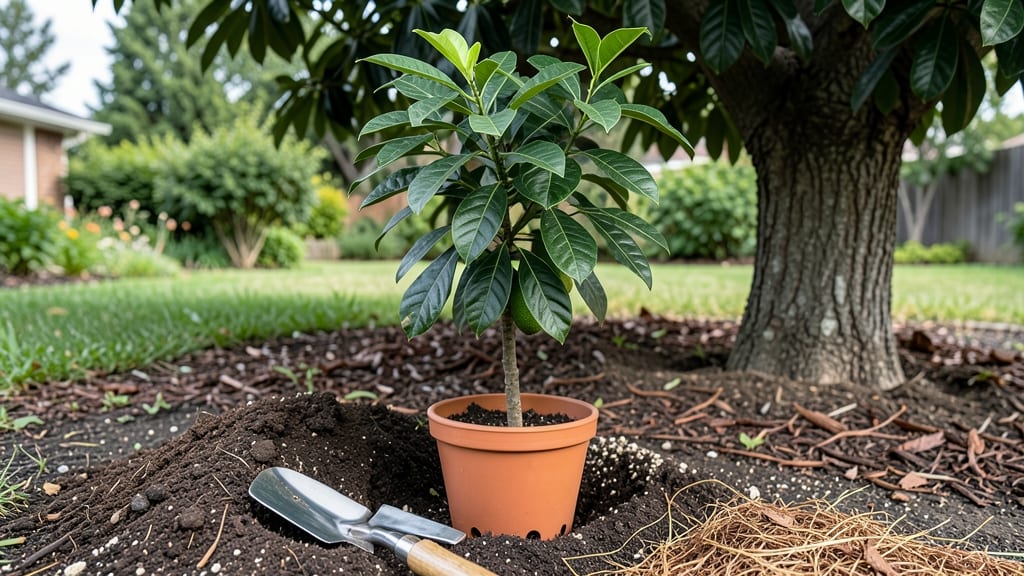
If you're dreaming of growing your own 🥑 avocado tree in Florida, timing your planting could mean the difference between a thriving orchard and a sad, wilted seedling.
Florida’s frost-free climate makes it one of the best places to cultivate avocados, but even here, the wrong season can lead to stress, poor root development, or even failure.
The best window to plant your avocado tree in Florida is actually year-round—but late winter to early spring (February through April) is when you’ll see the most success.
This period balances soil warmth, steady rainfall, and lower humidity, giving young roots the perfect environment to establish themselves before summer’s intense heat arrives.
But here’s the catch: Florida’s microclimates matter. Coastal areas with salty winds or inland zones with heavier clay soil can change the game.
Whether you’re in the panhandle’s cooler stretches or Miami’s humid tropics, we’ll break down the exact months that work best for your specific zone—so you can skip the guesswork and get straight to growing.
Ready to turn that avocado seed into a towering tree? Let’s dive into the smart timing and care tips that’ll set you up for a harvest in just a few years.
Best months to plant avocado trees in Florida by region (zero frost zones)
Florida’s frost-free climate means you can plant avocado trees year-round, but timing still matters. The key is avoiding extreme heat and hurricane season while aligning with soil warmth and rainfall patterns.
I’ve broken down the best months for North, Central, and South Florida, where microclimates create subtle but critical differences in success rates.
For North Florida (Zones 8a-9a), like Jacksonville or Gainesville, the ideal window is February through April. This period offers mild temperatures (60-75°F) and lower humidity, reducing stress on young seedlings. Planting here also lets roots establish before summer’s peak heat and hurricane risks spike in June.
In Central Florida (Zones 9b-10a), including Orlando and Tampa, you can extend planting to May—just avoid the hottest weeks of July and August. The soil stays consistently warm year-round, but summer’s intense sun and storms can stress transplants.
I recommend starting seeds indoors in late winter for a head start.
South Florida (Zones 10b-11), like Miami or Key West, offers the most flexibility: plant anytime, but prioritize September through November to avoid hurricane season (June-November). The trade-off? Humidity is high, so well-draining soil and shade cloth for young trees are non-negotiable.
🌱 Visual Element: Comparison Table
Beyond months, soil temperature is your best guide. Avocado seeds need soil at 60°F+ to germinate, while young trees thrive in 70–85°F. Use a soil thermometer to check depths of 2–4 inches before planting. In North Florida, wait until March to ensure soil warmth; in South Florida, September avoids hurricane season’s wind damage.
Hurricanes are the wildcard. While avocado trees are drought-tolerant, their shallow roots make them vulnerable to flooding and salt spray. If planting in coastal areas, schedule transplants for September—after peak hurricane season’s end (November).
For inland zones, April offers the best balance of warm soil, lower humidity, and minimal storm risk.
Don’t overlook rainfall patterns. Florida’s wet season (May–October) can lead to waterlogged soil, which causes root rot. If planting in summer, amend soil with perlite or sand to improve drainage. In dry winters (Dec–Feb)drip irrigation to keep soil consistently moist without overwatering.
For container growing—ideal for urban areas or heavy clay soil—plant year-round, but move pots to shaded areas during summer to prevent heat stress. Containers dry out faster, so monitor soil moisture daily in peak sun.
🌿 Final Tip: Test your soil’s pH (avocados prefer 6.0–7.0). Florida’s native soil is often sandy and acidic, so amend with lime or compost before planting. This small step can double your tree’s survival rate.
How to prepare avocado seeds for Florida planting (step-by-step germination guide)
Avocado seeds need careful preparation to thrive in Florida’s humid climate. Start by selecting a plump, blemish-free seed from a ripe fruit—this maximizes germination success. Rinse the seed thoroughly to remove any flesh residue, which can attract pests or rot.
Place it in a jar with water (about 1 inch submerged) and store it in a warm, dark spot for 2-6 weeks.
During this time, the seed will develop roots and a small sprout. Change the water every 2-3 days to prevent bacterial growth. Once roots reach 2-3 inches, it’s ready for planting. Florida’s high humidity speeds up germination, so monitor closely to avoid overwatering.
⚠️ CRITICAL STEP: Use a well-draining germination container (like a small pot with drainage holes) filled with sphagnum moss or coconut coir. This mimics Florida’s sandy soil while preventing waterlogging. Plant the seed halfway deep—just the sprout should peek above the surface.