
Plants
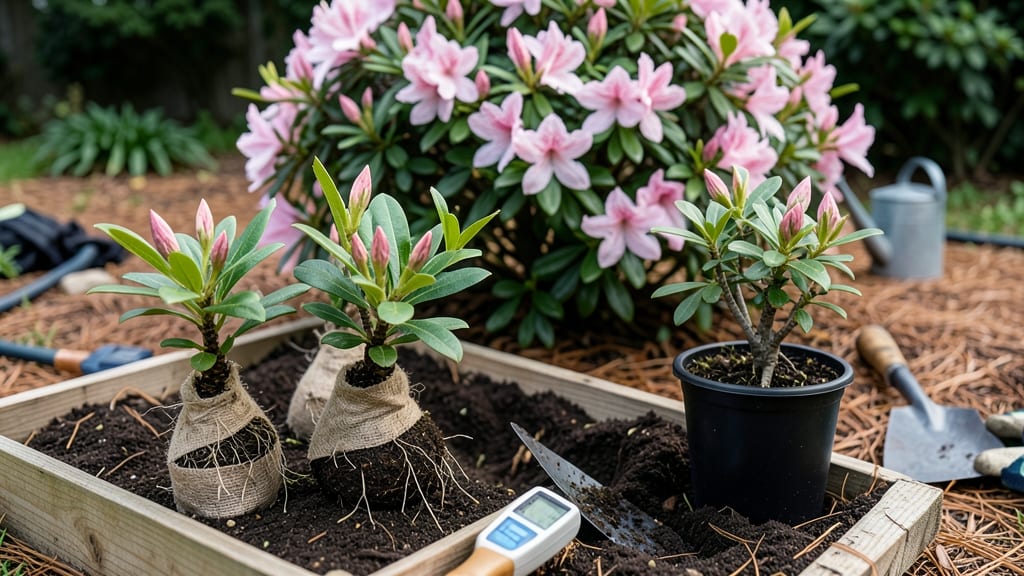
If you’ve ever dreamed of your Atlanta garden bursting with vibrant 🌸 azaleas but weren’t sure when to plant them, timing is the game-changer you’ve been missing.
Planting azaleas at the wrong moment in Atlanta’s USDA Zone 7b-8a can leave your shrubs struggling—weak roots, stunted growth, or even failure to bloom.
Here’s the secret: Fall and early spring are your best bets, but not just any fall or spring. The key is avoiding Atlanta’s brutal summer heat and late frosts that can shock young plants.
Whether you’re working with container-grown azaleas or bare-root varieties, the right window makes all the difference for root establishment and future blooms.
Let’s break down the ideal months, soil prep tips, and how Atlanta’s unique climate—think humidity, heat waves, and clay-heavy soil—affects your azalea’s success. You’ll learn exactly when to dig in for those showstopping 🌸 blooms that make Atlanta gardens famous.
Skip the guesswork and get the timing right—your future azalea’s health (and your curb appeal) will thank you.
Best months to plant azaleas in Atlanta’s climate zones
Atlanta’s USDA Zones 7b-8a offer two prime windows for planting azaleas: early fall and late winter. These timing choices help your azaleas establish roots before extreme heat or frost. The key is avoiding summer heatwaves and late spring freezes, which can stress young plants.
Fall planting (September–November) is ideal because cooler temperatures and increased rainfall help roots grow without competition from summer heat. This gives azaleas a 6-8 week head start before winter dormancy. Spring planting (March–April) works too, but you must plant before buds swell to avoid shocking the plant.
Atlanta’s humidity and clay soil make timing even more critical. Planting too late in spring risks transplant shock from sudden heat, while late fall planting may expose roots to early frosts. Let’s break down the best months and what to expect in each.
Visual Element: Comparison Table
| Planting Window | Soil Temp (°F) | Atlanta Climate Factor | Root Establishment Timeline |
|---|---|---|---|
| Early Fall (Sept–Oct) | 60–75°F | Cooler temps, higher humidity | 6–8 weeks before frost |
| Late Fall (Nov) | 50–60°F | Risk of early frost | 4–6 weeks before dormancy |
| Late Winter (March) | 45–55°F | Avoid bud swell | 6–8 weeks before blooming |
| Early Spring (April) | 60–70°F | Heat stress risk | 4–6 weeks before summer |
*Note: North Atlanta areas (higher elevation) may experience earlier frosts than south Atlanta.
For container-grown azaleas, you have slightly more flexibility—plant anytime except during extreme heat (June–August) or frost (December–February). These plants are already established, so they adapt better to transplant shock when roots aren’t disturbed.
Atlanta’s microclimates matter too. Urban areas like Midtown or Downtown can be 5–10°F warmer than suburban neighborhoods, delaying frost. If you’re unsure, check local frost dates—aim to plant 4–6 weeks before the average first frost (typically November 15 in most of Atlanta).
Bare-root azaleas need even more precise timing. Plant them as soon as they arrive in fall or early spring to prevent root desiccation. Soak roots for 1–2 hours before planting to kickstart growth in Atlanta’s clay-heavy soil, which drains poorly when saturated.
If you miss the ideal windows, don’t panic. August or December can work for container-grown azaleas, but expect slower root establishment. Prioritize mulching and consistent watering to offset less-than-perfect timing. The goal is always minimizing stress while maximizing root growth before Atlanta’s summer heat or winter chill sets in.
Pro tip: Mark your calendar for September 15 and March 15—these are the sweet spots for most Atlanta gardeners. By then, soil temps are perfect, and your azaleas will thank you with vibrant blooms next spring.
Best months to plant azaleas in Atlanta’s climate zones
Atlanta’s USDA Zones 7b-8a offer two prime windows for planting azaleas: early fall and late winter. These periods align with cooler temperatures and reduced humidity, which help root establishment before summer heat or winter frost arrives.
Fall planting is ideal because the 60-70°F soil temperatures encourage strong root growth before dormancy.
For container-grown azaleas, you can plant throughout the year except in extreme heat (July-August) or frost (December-February). However, bare-root azaleas require cooler soil, so September-October or March-April are critical. North Atlanta’s slightly cooler microclimate may extend the fall planting window by 2-3 weeks compared to south Atlanta’s urban heat.
Soil temperature is your best guide: aim for 60-70°F at 6 inches deep. Use a soil thermometer to check—if it’s above 75°F, wait for cooler days. Atlanta’s humidity levels also play a role; high humidity in summer can stress young roots, while winter frost risks damage if planted too late.
| Planting Window | Ideal Soil Temp (°F) | Humidity Impact | Root Establishment Risk |
|---|---|---|---|
| September - October (Fall) | 60-70°F | Moderate (cooler, less fungal stress) | Low (optimal conditions) |
| March - April (Spring) | 55-65°F | Low (dry air post-winter) | Low (spring rains help) |
| November - February (Winter) | Below 50°F (risky) | High (frost damage) | High (dormancy stress) |
| May - August (Summer) | Above 75°F (avoid) | Very High (heat + humidity) | Very High (transplant shock) |
If you miss the fall window, don’t panic—March-April is your next best shot. Plant bare-root azaleas as soon as soil is workable, and container-grown varieties can handle slightly warmer soil. Just avoid late April, when Atlanta’s unpredictable late frosts (around March 15) can still occur.
For urban Atlanta gardens, microclimates matter. Areas near concrete or pavement stay warmer longer, so adjust planting dates 1-2 weeks later than rural zones. Test your soil’s acidity (pH 4.5-6.0) before planting—Atlanta’s native clay often needs sulfur or peat moss to meet azalea needs.
Pro tip: Mulch heavily after planting to retain moisture and regulate soil temp. Use 3-4 inches of pine straw or wood chips, keeping it 6 inches from the trunk to prevent rot. This mimics Atlanta’s natural forest floor conditions where azaleas thrive.