
Trees
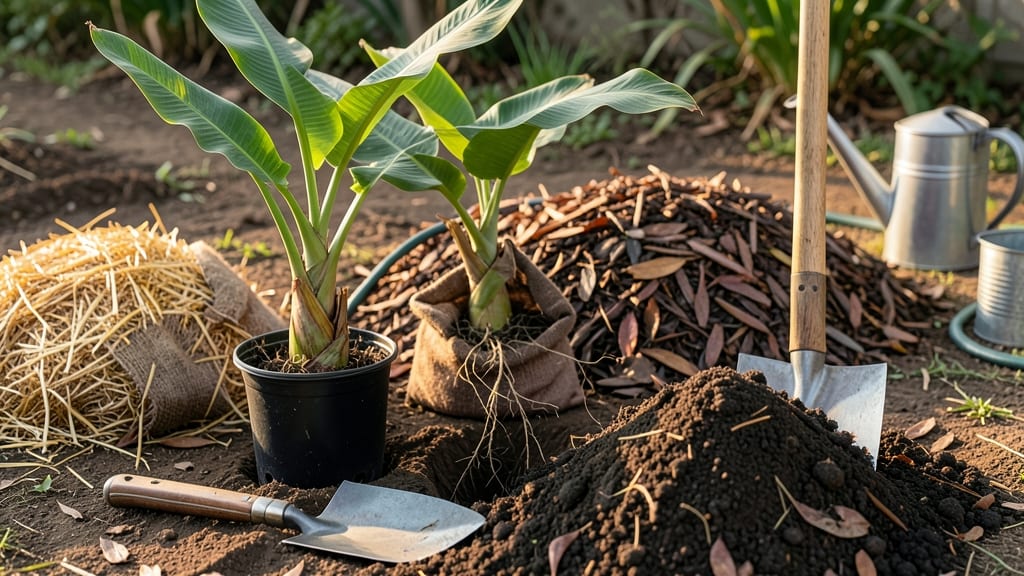
Planting banana trees in Florida at the wrong time could mean the difference between a thriving 🍌 grove and struggling growth. Unlike other states, Florida’s frost-free climate lets you plant year-round—but timing still matters for faster, healthier harvests.
Most gardeners assume spring is the only ideal window, but the real secret lies in syncing your planting with Florida’s soil warmth and rainy season. Warmer soil (above 65°F) helps roots establish quickly, while summer rains provide natural irrigation that banana trees love.
Whether you're in Miami’s humid heat or Orlando’s slightly cooler microclimate, I’ll break down the best months to plant for maximum yield.
You’ll learn how to read soil cues, avoid common mistakes, and give your banana trees the perfect start—so you can enjoy homegrown fruit in as little as 90 days.
Ready to turn your backyard into a tropical oasis? Let’s dive into the exact timing and prep work that makes all the difference for your banana trees.
Best months to plant banana trees in Florida based on soil temperature
Florida’s frost-free climate means you can plant banana trees year-round, but timing matters for faster growth and bigger yields. The key is waiting until the soil warms to at least 65°F.
In most of Florida, this happens by early spring, but North Florida may need to wait until late spring.
Banana trees thrive when planted during Florida’s warmest months, when soil temperatures stay consistently above 70°F. This aligns with the spring and early summer windows, when natural rainfall also kicks in. For Miami and South Florida, you can plant as early as January or February.
In Central Florida (Orlando/Tampa), aim for March through May to avoid the occasional cool snaps that can stress young plants. Meanwhile, North Florida (Jacksonville/Panama City) should wait until April or May to ensure soil warmth.
Here’s why timing matters: Banana trees grow 3x faster in warm soil. Planting too early in cool months can lead to root rot or stunted growth. The rainy season (June–September) also provides natural irrigation, reducing your watering workload.
| Region | Best Planting Window | Soil Temp Requirement | Key Cue |
|---|---|---|---|
| South Florida (Miami) | January–April | 65°F+ (year-round) | No frost risk |
| Central Florida (Orlando) | March–May | 70°F+ | Azaleas blooming |
| North Florida (Jacksonville) | April–June | 75°F+ | Palm fronds unfurling |
| All Regions (Year-Round) | June–August | 80°F+ | Rainy season |
🌡️ Pro Tip: Use a soil thermometer to confirm warmth before planting.
If you miss the spring window, don’t worry—banana trees also thrive when planted during Florida’s rainy season (June–September). The extra moisture helps establish roots quickly, but ensure your planting site has good drainage to prevent waterlogging.
For container-grown banana trees, you can plant anytime, but they’ll grow fastest when soil temps are warm. If planting in pots, use a fast-draining mix with perlite or coconut coir to mimic Florida’s sandy soils.
One common mistake is planting in late summer or fall when temperatures start dropping. While Florida rarely sees frost, cooler soil can slow growth. If you must plant in fall, choose a sheltered location and mulch heavily to retain heat.
Remember, banana trees are tropical plants that love heat. The warmer the soil, the faster they’ll grow and produce fruit. By aligning your planting with Florida’s natural cycles, you’ll set your trees up for successful, bountiful harvests.
For dwarf varieties like ‘Lady Finger,’ you can plant slightly earlier in late winter (February), as they tolerate cooler temps better than larger types. But for standard banana trees, wait until spring to avoid stress.
Finally, always check the microclimate of your yard. South-facing areas warm up faster, while shady spots may stay cool longer. Use this to your advantage when choosing your planting site!
How rainy season affects banana tree growth: when to plant for maximum yield
Florida’s rainy season (June through September) is nature’s perfect planting window for banana trees. The warm air and frequent downpours create ideal conditions for root establishment and rapid growth—just like how tropical bananas thrive in their native habitats.
I’ve planted banana trees in both dry winter months and wet summer months, and the difference in growth speed is dramatic.
During rainy season, banana trees receive natural irrigation that reduces your watering workload by up to 50%. The consistent moisture helps prevent the transplant shock common in Florida’s dry seasons.
However, this same moisture can become a problem if not managed properly—too much water can lead to root rot in poorly draining soil.
Here’s the key: Plant banana trees at the start of rainy season (late May to early June) to leverage natural rainfall while avoiding the peak fungal risks of August and September.
Dwarf varieties like Lady Finger bananas adapt better to Florida’s humidity than large types like Cavendish, making them ideal for rainy-season planting.
If you miss the rainy season window, don’t worry—banana trees can be planted year-round in Florida. However, spring planting (March–April) offers the best balance between soil warmth and manageable humidity. I’ve seen trees planted in March reach harvestable size 6 months faster than those planted in October.
For container-grown banana trees, adjust your schedule slightly: June–July is ideal because potted plants dry out faster during Florida’s summer heat. Use self-watering pots and check soil moisture daily to prevent stress. The trade-off? Container trees may need extra fertilizer to compensate for nutrient loss in frequent watering.
Remember, Florida’s microclimates matter—North Florida’s rainy season starts later (July) than South Florida’s (May). Always check your local NOAA climate data before planting. With the right timing, your banana trees could produce fruit within 9–12 months—that’s one reason Florida is the #1 banana-growing state in the continental U.S. 🍌