Plants
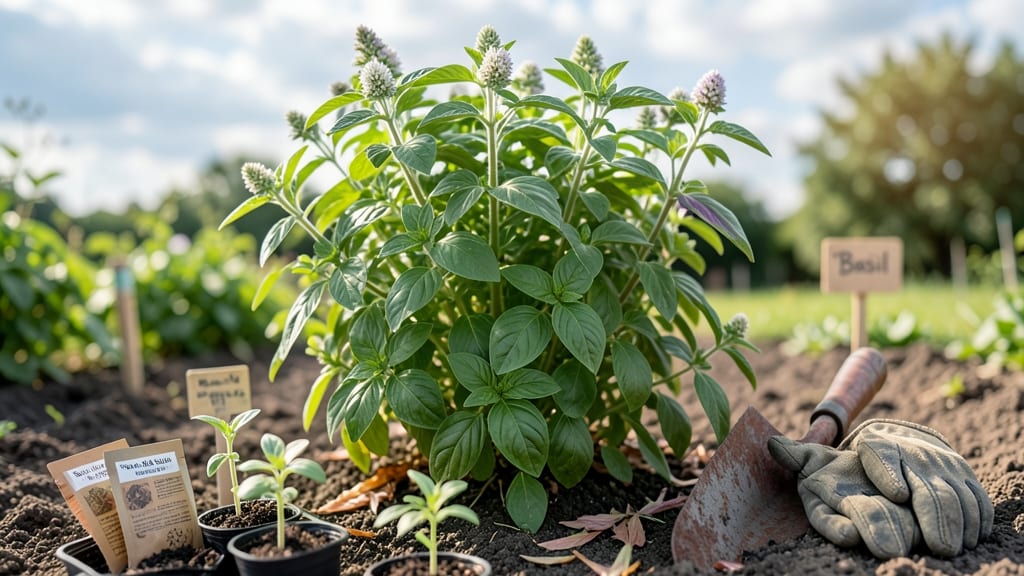
Timing your basil planting in Georgia right could mean the difference between lush, flavorful leaves and bitter, bolted disappointment—especially in our 7b-8b climate. Georgia’s heat and humidity make basil particularly finicky, but with the perfect window, you’ll enjoy zero-bolt harvests from June through October.
Most gardeners in Georgia swear by two ideal planting windows: mid-March to early April for spring harvests or late July to August for fall crops. These timings align with our last frost dates and soil temperatures, giving basil the best chance to thrive without rushing into heat stress.
But there’s a catch—late summer planting requires extra care to avoid bolting before your first frost.
Why does timing matter so much? Basil hates cold snaps and intense heat, both of which trigger early flowering (bolting) and ruin its delicate flavor. By planting at the right moment, you’ll skip the guesswork and enjoy high-yield, aromatic basil all season long—no bitter surprises included.
In this guide, I’ll break down the exact months to plant, how to protect your basil from Georgia’s extremes, and companion plants that keep it thriving. Let’s get your garden growing the right way.
Best months to plant basil in Georgia for zero-bolt success
Georgia’s USDA zones 7b-8b create a tricky balance for growing basil—too early and frost zaps your plants, too late and the heat sends them bolting. The sweet spot? Mid-March to early April for spring planting and late July to August for fall harvests.
These windows align with Georgia’s average last frost date (March 15) and first frost date (November 15), giving basil enough time to mature before extreme heat or cold sets in.
For spring basil, start seeds indoors 6-8 weeks before your last frost date (around January 15 in most of Georgia). This head start ensures robust seedlings ready for transplanting after April 1, when soil temperatures consistently stay above 50°F.
In fall, focus on late July plantings—this gives basil time to establish before temperatures drop in October.
Here’s how Georgia’s microclimates affect timing: Coastal areas (like Savannah) can plant 2-3 weeks earlier due to milder winters, while inland regions (like Athens) should wait until after April 15 to avoid late frosts. Always check your local extension service for precise frost dates—this small step prevents costly mistakes.
The key to zero-bolt basil lies in avoiding Georgia’s 90°F+ summers. Basil bolts (goes to seed) when stressed by heat or day length. By planting in spring or fall, you sidestep this issue entirely.
For example, a June planting in Georgia’s heat will likely bolt within 3-4 weeks, while a March planting yields harvests from June through October.
| Planting Window | Key Actions | Notes for Georgia |
|---|---|---|
| Indoor Starts | Sow seeds 6-8 weeks before last frost (Jan 15) | Use grow lights if natural light is <6 hours/day |
| Spring Transplant | Move outdoors after April 1 (soil >50°F) | Hardening off required for 7-10 days |
| Fall Planting | Direct sow July 20-August 15 | Avoid planting after August 31—bolting risk rises |
| Harvest Window | June-October (spring) or Sept-Nov (fall) | Pinch flowers to extend harvest by 4-6 weeks |
Adjusting for early or late seasons requires flexibility. If you miss the spring window, try shade cloth over summer plantings to reduce heat stress. For fall, extend the season by covering plants with row fabric when nighttime temps drop below 55°F.
This simple trick adds 2-3 extra weeks of harvest time in Georgia’s shorter fall.
Georgia gardeners often overlook basil’s sensitivity to cold. Even a light frost (32°F) can damage leaves, while soil temps below 40°F stunt growth. Use black plastic mulch in early spring to warm soil faster—this helps basil establish 2 weeks earlier than unmulched beds.
Test soil temps with a thermometer before planting; aim for 50°F+ for best results.
For container growing, Georgia’s heat means pots dry out faster. Use self-watering containers or bury pots halfway in the ground to stabilize temps. This method keeps roots 5-10°F cooler than ambient air, reducing bolting risk.
Place containers in partial shade during 11 AM-3 PM in July/August to protect leaves from scorching.
Pro tip: Genovese and Spicy Globe basil varieties handle Georgia’s heat slightly better than Sweet Basil. Start with these if you’re pushing the limits of your planting window. Always rotate crops yearly to prevent soil-borne diseases that thrive in Georgia’s humidity—this keeps your basil healthy and productive for years.
Timing your basil harvests matters just as much as planting. In Georgia, morning harvests (before 10 AM) yield the most flavorful leaves. Avoid harvesting after 2 PM when oils break down in the heat. With perfect timing, you’ll enjoy fresh basil from June through October—no bitter bolting in sight!
How to extend basil’s growing season in Georgia’s heat
Georgia’s summer heat and humidity can turn your basil from a flavorful harvest to a bitter, bolted disappointment—but with the right strategies, you can extend the growing season and enjoy fresh leaves all summer long.
The key is protecting your plants from heat stress while maintaining moisture and airflow. Let’s break down the best ways to keep your basil thriving when temperatures soar.
First, consider shade cloth as your best friend during peak summer months. A 30-50% shade cloth blocks harmful UV rays while still allowing enough light for photosynthesis. Install it when temperatures hit 90°F or higher, which is common in Georgia from June through August.
This simple step can prevent leaf scorch and bolting while keeping your basil productive.
- Use shade cloth (30-50%) during peak heat (10 AM–4 PM).
- Mulch heavily with straw or wood chips to retain moisture.
- Water deeply in the morning (1–2 gallons per plant).
- Plant near tall crops (like tomatoes) for natural shade.
- Harvest aggressively to prevent flowering and bolting.
Another game-changer is mulching. A thick layer of organic mulch—like straw or wood chips—keeps soil cool and moist, reducing the need for frequent watering. Aim for a 3-inch layer around your basil plants, but keep it 2 inches away from the stems to prevent rot.
This method works especially well in Georgia’s clay-heavy soils, which dry out quickly in the sun.
Don’t underestimate the power of companion planting. Pairing basil with tall crops like tomatoes or peppers creates natural shade during the hottest part of the day. This not only protects your basil but also deters pests like aphids, which love stressed plants.
Just avoid planting near fennel or rue, which can stunt basil’s growth.
Finally, harvesting regularly is your secret weapon against bolting. Pinch off flower buds and lower leaves every 2–3 weeks to encourage bushier growth. Harvest in the morning when leaves are at their peak flavor, and always use clean, sharp pruning shears to avoid damaging stems.
This keeps your basil productive and delays the onset of bolting.
With these strategies, you can enjoy fresh basil all summer long, even in Georgia’s brutal heat. The key is staying proactive—shade, mulch, and smart harvesting will keep your plants happy and your kitchen stocked with flavor-packed leaves until fall’s first frost 🌿✂️💧.