Plants
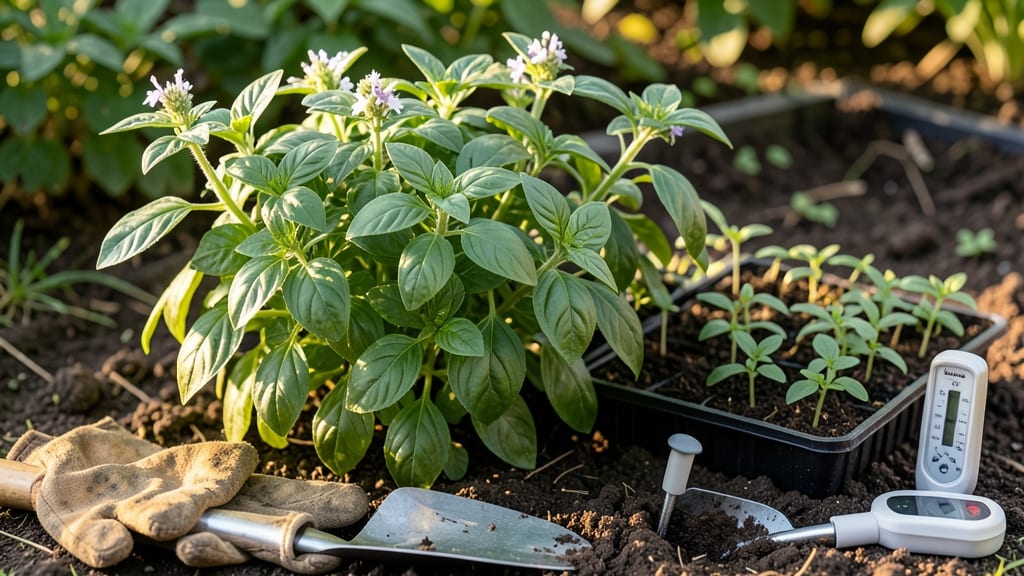
Timing your basil planting in Ohio isn't just about following a calendar—it's about catching that sweet spot between frost and summer heat, where your 🌿 thrives instead of wilts.
Ohio's Zone 6a climate means waiting too long can leave you scrambling, while planting too early risks frost damage that stunts your plants before they even get started.
Most Ohio gardeners know the general rule: wait until after the last frost, but what does that really mean for your specific corner of the state?
With last frosts typically landing in mid-April but soil temperatures needing to hit at least 50°F for successful germination, you're often looking at late April to early May as your prime window. That's when your basil seeds or seedlings get the green light to grow.
Here's the game-changer: understanding how to work with Ohio's 165 frost-free days lets you stretch your basil harvest from June through September.
Whether you're starting indoors for an early jumpstart or direct-sowing after that final frost warning, we'll break down exactly when to plant for maximum success—and how to troubleshoot when Mother Nature throws you a curveball.
Let's cut through the guesswork so you can go from seed to harvest with basil that's flavorful, vigorous, and ready for your kitchen before the first fall chill arrives. Your perfect pesto season starts with these precise planting strategies.
Ohio basil planting calendar: exact dates for Zone 5b-6a success
Ohio’s USDA Zones 5b-6a mean your basil planting window is short but sweet—typically just 8-10 weeks between last frost and first frost.
To nail the timing, I’ll break down the critical frost-free dates by Ohio region, plus how to adjust for those tricky microclimates that can push your basil’s success from "meh" to "magnificent."
First, mark your calendar for Ohio’s average last frost dates—usually mid-April in southern Ohio (like Cincinnati) and late April to early May in northern Ohio (think Columbus or Cleveland).
But here’s the catch: soil temperature matters more than air temperature. Basil roots need at least 50°F (10°C) to thrive, and cold soil can stunt growth or even kill seedlings.
For direct-sown basil, wait until 2 weeks after your last frost date to give the soil time to warm up. If you’re starting indoors, you can begin seeds 6-8 weeks before your last frost (so late February to early March for most of Ohio).
This gives you a head start on the season and more harvest time before fall’s chill sets in.
Pro tip: Use a soil thermometer to confirm your garden beds are ready. Basil seeds won’t germinate well in soil below 60°F (15°C), and seedlings planted too early in cold soil will struggle.
If your soil is still chilly by the "safe" dates, opt for container growing—pots warm up faster and give you more control over soil temperature.
Ohio’s short growing season (just 165 frost-free days in Zone 6a) means timing is everything. If you miss the window, don’t despair—succession planting every 2-3 weeks after your initial planting can stretch your harvest into early fall.
Just be ready to protect plants with row covers if a late frost sneaks up in September.
For container gardeners, you’ve got even more flexibility. Move pots to warmer microclimates (like near a south-facing wall) or bring them indoors before the first frost.
I’ve grown basil on my sunny kitchen windowsill well into November, and with a grow light, you can extend the season even further.
Don’t forget to monitor local forecasts—Ohio’s weather can shift faster than a summer thunderstorm. If a late frost is predicted, cover your basil with frost cloth or a plastic milk jug (yes, really!) to protect tender leaves. A little preparation goes a long way in Ohio’s unpredictable climate.
Lastly, if you’re planting from seedlings instead of seeds, choose transplant-ready basil from your local nursery in early May. This gives the plants a 4-6 week head start and maximizes your harvest time.
Just avoid buying basil too early—nursery stock is often cold-sensitive and may bolt or die if planted before the soil warms.
With these Ohio-specific deadlines and a little flexibility, you’ll be harvesting fragrant basil leaves for pesto, salads, and teas all summer long. Trust me, there’s nothing like the taste of homegrown basil straight from your garden—especially when you’ve timed it just right! 🌱
How to extend your basil growing season in Ohio’s short summers
Ohio’s summers are short but sweet for basil lovers—if you know how to stretch that growing window. Since basil thrives in warmth but Ohio’s first frost arrives by mid-October, strategic planning is key.
I’ve grown basil here for years, and these tricks have kept my harvests going until late September (or even October in lucky years).
The secret starts 6-8 weeks before your last frost date. For Ohio’s Zone 5b-6a, that means late February to early March. Begin by starting seeds indoors under grow lights or on a sunny windowsill.
This head start gives you a 30-45 day advantage over direct sowing, ensuring your plants are large enough to transplant after the last frost.
🌱 Numbered Highlights: Extend Your Basil Season
- Start indoors 6-8 weeks before last frost (Feb-Mar in Ohio).
- Transplant outdoors after soil reaches 50°F (10°C)—usually late April to early May.
- Use cold frames to extend fall harvests by 2-4 weeks.
- Succession plant every 2-3 weeks for continuous harvests.
- Harvest aggressively to prevent flowering and bolting.
Once your seedlings are 3-4 inches tall with 4-6 true leaves, harden them off for 7-10 days before transplanting. Choose a sunny, sheltered spot with well-draining soil—basil hates soggy roots.
I always add compost or aged manure to the planting hole to give my plants a nutrient boost for the long growing season ahead.
For a second harvest in late summer, try succession planting. Sow new seeds every 2-3 weeks from mid-June to early July. This ensures you’ll have fresh basil when your first plants start to bolt or decline from heat stress.
Just be sure to space them 12-18 inches apart—crowded basil grows leggy and produces fewer leaves.
Don’t let the fall chill stop your basil dreams! A simple cold frame or row cover can push your harvest into October. I’ve used hoop houses with clear plastic to trap heat during the day and protect plants from light frosts.
Remove the cover on warm days to prevent overheating. With this method, I’ve harvested basil until Thanksgiving in mild years!
Pro tip: Harvest regularly to encourage bushier growth. Pinch off flower buds as soon as they appear—they signal the plant to stop producing leaves and focus on seeds. I snip leaves in the morning when oils are most concentrated, and always use clean scissors to avoid disease spread.
With these tricks, you’ll enjoy homegrown basil for nearly 6 months instead of just a few weeks!