
Plants
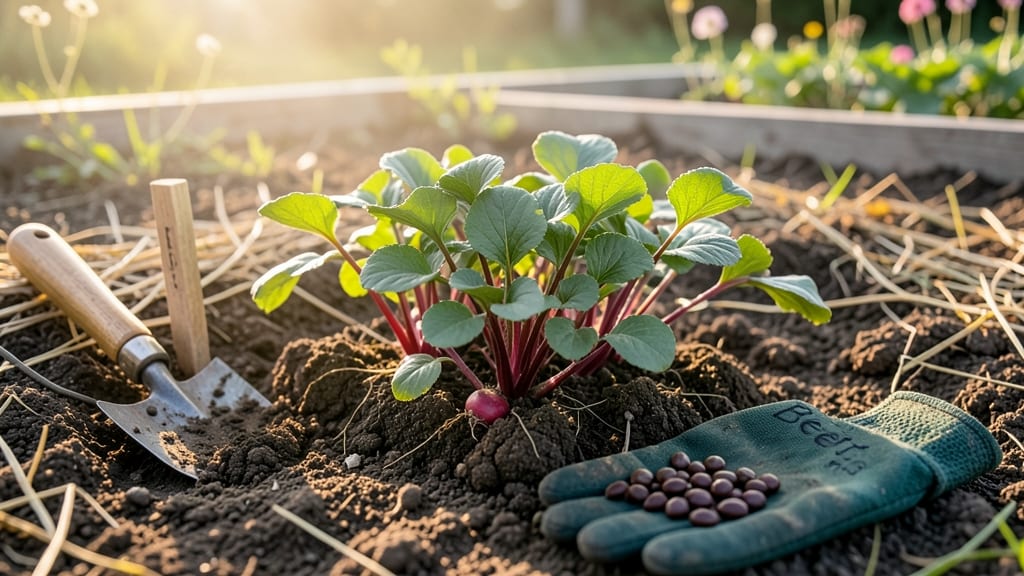
If you’ve ever planted 🍠 beets in Central Florida only to watch them bolt into bitter greens before forming sweet roots, you’re not alone. The key to success isn’t just luck—it’s planting at the perfect time when temperatures and soil conditions align just right for these cool-season crops.
Unlike northern gardens where frost signals planting, Central Florida’s 9a-10a climate demands a different strategy. Skipping the summer heat and focusing on September-October or February-March windows means the difference between tender harvests and wasted effort. Let’s break down exactly when—and how—to plant for maximum yields.
You’ll discover why timing matters more than you think, from avoiding summer stress to leveraging Florida’s mild winters. Plus, I’ll share pro tips for soil prep and companion planting that keep your harvests coming all season long.
Ready to turn your beet patch from a gamble into a guaranteed harvest? Let’s get started with the exact months that work best for your Central Florida garden.
Best planting months for beets in Central Florida’s climate zones
Central Florida’s USDA Zones 9a-10a create unique challenges for beet growers—no frost means we focus on heat avoidance rather than frost dates. Beets thrive in cool temperatures (60-70°F), making fall and early spring the prime windows.
Planting outside these times risks bolting (flowering prematurely) or stunted growth from summer heat.
Your microclimate matters. Orlando’s humidity differs from Tampa’s coastal breezes, while Gainesville’s slightly cooler nights create micro-conditions. I’ll break down the optimal months for each region, including succession planting tips to extend your harvest season.
🌱
| Region | Ideal Planting Window | Harvest Window | Key Consideration |
|---|---|---|---|
| Orlando (Zone 9a) | September 15–October 31 | November–December | High humidity; mulch heavily |
| Tampa (Zone 10a) | October 1–November 15 | December–January | Coastal breezes delay heat; plant near windbreaks |
| Gainesville (Zone 8b) | August 20–September 30 | October–November | Cooler nights; extend to February for spring harvest |
| All Regions (Spring) | February 1–March 15 | April–May | Use shade cloth if temps exceed 80°F |
For fall planting, aim to harvest before December’s cooler temps cause roots to develop a woody texture. In spring, beat the heat by choosing fast-maturing varieties (50-day harvest) and planting before March 15. After that, beets struggle as temperatures climb above 75°F.
Pro tip: Use succession planting every 2 weeks in fall to stagger harvests. Sow a small batch every 14 days from September through November for continuous tender roots until December. This works especially well in Tampa’s Zone 10a, where cooler coastal nights extend the season.
If you’re in Orlando or Gainesville, consider a second spring planting in late January. The cooler winter months create ideal conditions, and you’ll avoid the April heat spike that causes bolting. Just be prepared to harvest quickly—by mid-April—before temperatures rise.
🌡️
Watch for heat stress signs: leaves turning yellow or red and roots developing a woody texture. These are clear indicators you’ve planted too late. In peak summer (June–August), beets are nearly impossible to grow successfully without artificial shade or greenhouse conditions.
For year-round success, pair your beet planting with companion plants like lettuce or radishes, which thrive in similar cool conditions. This interplanting strategy maximizes space and extends your edible garden’s productivity.
📅
How to adjust planting for Central Florida’s heat and rainy seasons
Central Florida’s summer heat and monsoon rains can derail even the best-laid beet planting plans. If you’ve ever watched your seedlings wilt under 90°F+ temperatures or drown in afternoon downpours, you know timing alone isn’t enough—you need strategic adjustments to protect your crop.
The key is heat management and drainage solutions tailored to Florida’s unpredictable weather patterns.
For summer planting attempts, never skip shade cloth (30-50% block). Even a lightweight row cover can drop soil temps by 10-15°F, creating a microclimate where beets can tolerate 85°F days without bolting.
I’ve had success using agricultural shade fabric supported by hoop houses made from PVC pipes and wire mesh—this keeps humidity off the leaves while allowing filtered sunlight for photosynthesis.
🌡️
Beets planted in June-August without protection will bolt within 10 days. Even with shade, growth slows to a crawl—expect 50% smaller roots and bitter flavors. If you’re determined to try summer, limit attempts to June’s first two weeks when temps are slightly cooler.
Rainy season brings its own challenges. Central Florida’s afternoon thunderstorms can turn garden beds into waterlogged soup, causing roots to rot before they mature. The solution? Raised beds with drainage holes or mounded soil at least 12 inches high.
I recommend amending your soil with 2-3 inches of perlite or coarse sand to improve drainage—this prevents the anaerobic conditions that turn beets mushy.
Mulching is your secret weapon against both heat and rain. A 3-inch layer of straw or wood chips keeps soil temps 10°F cooler than bare ground while preventing erosion from heavy rains.
For extra protection, use black plastic mulch in summer—it warms the soil slightly (helping with slug control) and reflects 90% of sunlight away from the plants. Just remove it 2 weeks before harvest to avoid chemical residue.
Succession planting becomes even more critical in Florida’s climate. Instead of one big fall planting, sow seeds every 2 weeks from September through November. This ensures you’re always harvesting young, tender beets while older plants mature.
Pair this with fast-maturing varieties (50-day harvest) like ‘Detroit Dark Red’ to maximize your window. In spring, repeat the process from February through March, but be ready to harvest by April 15 before heat sets in.
💧 For watering, morning irrigation is non-negotiable. Watering in the evening leaves foliage damp overnight, inviting fungal diseases like leaf spot. Use drip irrigation or soaker hoses to deliver 1-2 inches of water weekly, focusing on the root zone rather than wetting leaves.
During peak summer, reduce frequency to every 3-4 days and water deeply to encourage root growth downward where it’s cooler.