
Plants
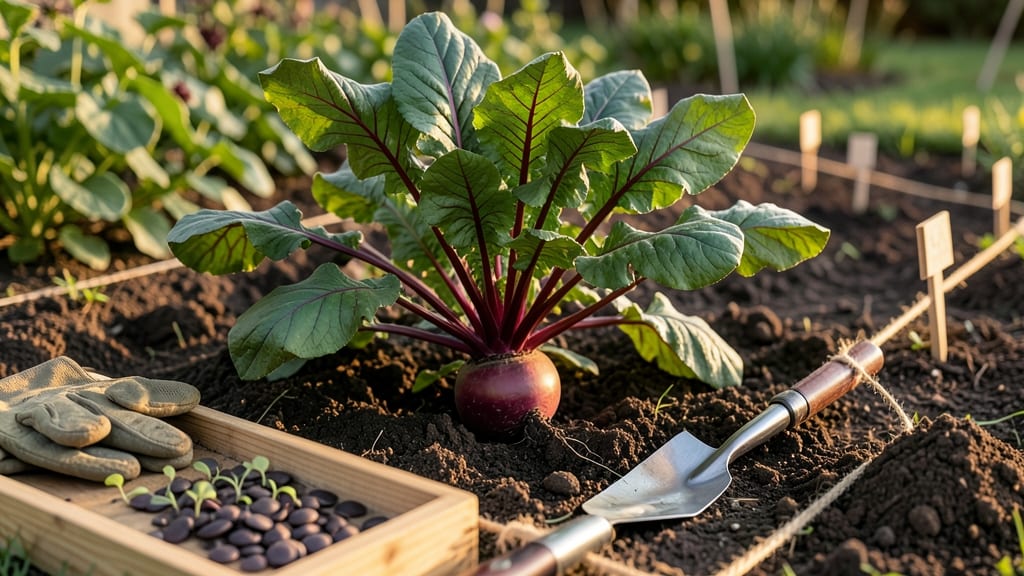
Timing your beet planting in Maine can mean the difference between a bumper crop of sweet, tender 🍠 and a sad, woody mess. With Maine’s short 165-day frost-free window and unpredictable weather, getting those seeds in the ground at just the right moment is the key to success.
Most gardeners in zones 5b-6b know the struggle: plant too early, and a late frost will nip your seedlings in the bud. Wait too long, and summer’s heat turns your beets tough and bitter.
The secret lies in two perfect windows—April 15 to June 15 for spring plantings and July 1 to August 15 for a fall harvest.
But here’s the thing: Maine’s climate isn’t one-size-fits-all. Coastal areas like Portland warm up faster than inland spots near Bangor, while northern regions near Presque Isle play by their own rules. I’ll break down exactly when to plant where, plus pro tips to stretch your harvest from July through October.
Ready to grow beets that rival your favorite farm stand? Let’s dive into the frost-free strategies that’ll have you reaping crisp, vibrant roots all season long—no guesswork required.
Maine’s frost-free planting windows for beets: exact dates by region
Maine’s short growing season and variable frost dates demand precision when planting beets. Unlike warmer climates, timing here isn’t just about heat—it’s about avoiding late spring frosts (which can kill seedlings) and summer heat (which makes beets woody).
The key is planting when soil temperatures hit 45°F+ and air temps stay above 50°F consistently.
Most Maine gardeners focus on two planting windows: spring (for summer harvests) and late summer (for fall harvests). Southern Maine’s milder climate allows for earlier starts, while Northern regions like Presque Isle must wait longer.
Let’s break it down by region so you can align your planting with Maine’s USDA Zones 5b-6b.
🌱 PRO TIP: Use a soil thermometer to confirm readiness—beet seeds won’t sprout below 45°F, even if air temps seem warm.
Notice how Northern Maine has a 2-week later window than Southern areas? That’s why microclimates matter. For example, Portland’s coastal influence can delay frosts by 10–14 days compared to inland Augusta. Always check your local Almanac frost dates—they’re your best guide.
For spring plantings, aim to harvest before July’s heat sets in. Beets planted in early June often bolt (go to seed) by August. Fall plantings should be sown 8–10 weeks before your first frost (usually late July–early August) to mature before cold sets in.
💡 EXPERT TIP: In Zone 5b (common in Maine), ‘Detroit Dark Red’ and ‘Golden Beet’ varieties handle cooler soils better than ‘Chioggia’, which needs warmer temps to germinate.
If you’re in Southern Maine and want to push the envelope, try a March indoor start under grow lights. Transplant seedlings outdoors 2 weeks after your last frost, but always harden them off first to avoid transplant shock from Maine’s chilly coastal breezes.
For Northern Maine, consider row covers or cold frames to extend your fall harvest. These tools can add 2–3 weeks to your growing season by protecting tender seedlings from late-season frosts.
Finally, soil temperature is non-negotiable. Beets won’t germinate below 45°F, even if your calendar says it’s spring. Use a soil thermometer to confirm—waiting a few extra days for warm soil saves you from failed sprouts.
Maine’s 165-day frost-free window is tight, but with these region-specific dates, you’ll maximize your beet harvest—whether you’re growing crisp baby beets or hearty storage varieties. 🌱
How to extend your beet harvest season in Maine: successive plantings and cold-tolerant varieties
Maine’s short growing season doesn’t mean you’re limited to one beet harvest. With successive plantings and cold-tolerant varieties, you can enjoy fresh beets from early summer through fall. The key is strategic timing and variety selection to beat Maine’s unpredictable frosts and late-summer heat.
Start with early spring plantings (mid-April to early May) for a summer harvest, followed by late summer plantings (July-August) for fall. Choose varieties like ‘Detroit Dark Red’ or ‘Golden Beet’, which handle cooler temperatures better than heat-sensitive types.
These varieties also store well in root cellars or mulched beds for extended harvests.
Here’s how to maximize your beet season with three planting windows:
Protect young seedlings from late frosts with floating row covers or cloches. These lightweight fabrics trap heat without smothering plants, allowing seedlings to establish before Maine’s first frost (typically mid-October).
For fall plantings, focus on varieties that mature quickly (50–60 days) to avoid woody roots from winter chill.
Don’t forget to thin seedlings to 2–3 inches apart as they grow—crowded beets compete for nutrients and produce smaller roots. A little extra care in spacing ensures larger, sweeter harvests all season long. With these strategies, you’ll enjoy homegrown beets from July through October, even in Maine’s cool climate!