
Plants
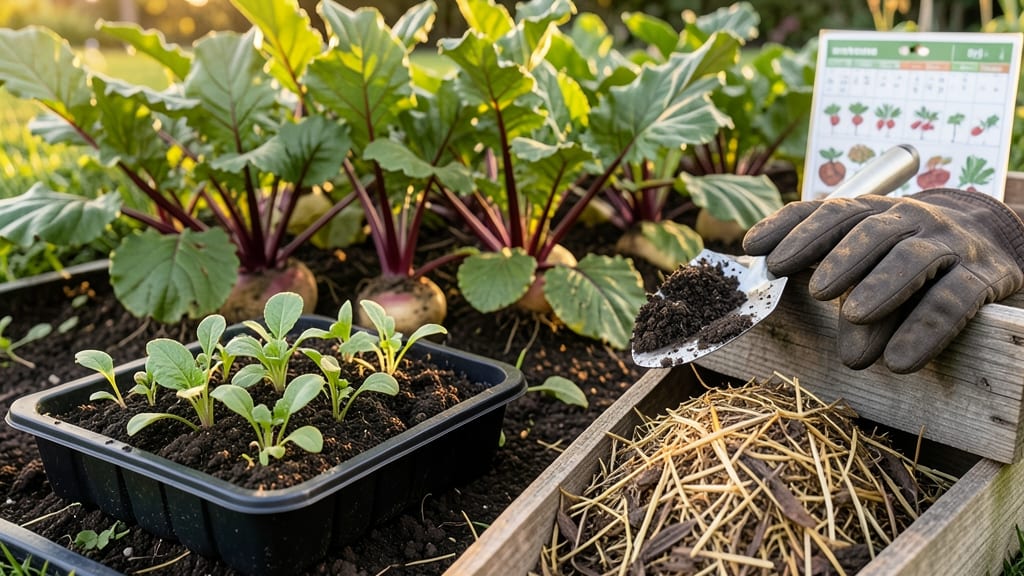
Timing your beet planting in Seattle isn’t just about following a calendar—it’s about beating the city’s famously fickle weather.
With USDA Zone 8a frost dates that can shift from year to year, getting those seeds in the ground too early or too late means the difference between a bumper crop of sweet, tender 🍠 and a sad, bolted mess.
Most gardeners in the Pacific Northwest swear by planting between March 15 and April 15 for spring harvests, but Seattle’s coastal influence means your Eastside neighbor might have a head start on your West Seattle plot.
The key? Pay attention to soil warmth—beets need temperatures above 50°F to germinate, and our damp springs can keep them waiting for weeks.
Don’t stop at spring! Fall planting from August 15 to September 15 gives you a second chance at harvest before the first frost hits around November.
Whether you’re a first-timer or a seasoned gardener, this guide will help you nail the perfect window for Seattle’s climate—so you can enjoy homegrown beets all season long.
Ready to skip the guesswork? I’ll walk you through exactly when to plant, how to prep your soil, and which beet varieties thrive here. Let’s get those roots growing!
Seattle’s frost-free window for beet planting: exact dates & zones
Seattle’s USDA Zone 8a/8b climate creates a 165-day frost-free window—perfect for two beet harvests per year. But timing is everything: plant too early, and frost will nip tender seedlings; wait too long, and your beets may bolt before reaching maturity.
The average last spring frost in Seattle typically lands between March 15 and April 15, while the first fall frost arrives around November 15. These dates shift yearly, so always check King County’s frost data for the most precise window.
For spring planting, aim to sow seeds 2-3 weeks after your last frost date. In Seattle, this usually means late March to early April. Beets are cold-hardy but germinate poorly in soil below 50°F, so don’t rush—wait for soil to warm up.
If you’re in West Seattle or the Eastside, microclimates can shift your frost dates by 1-2 weeks. The Eastside, for example, tends to warm up faster, giving you a slightly earlier planting window.
Fall planting offers a second harvest opportunity. Start sowing 8-10 weeks before your first frost, which in Seattle translates to mid-August to early September. This timing ensures beets mature before cold sets in.
If you’re in a cooler microclimate, like near Lake Washington, push planting to late August to avoid early frosts. Always use row covers if temperatures dip below 40°F at night to protect young plants.
Pro Tip: Use King County’s historical frost maps (available on their agricultural resources page) to pinpoint your exact last frost date. Even within Seattle, neighborhoods like Ballard or Mercer Island may have 5-7°F warmer soil temperatures than Shoreline or Burien, affecting germination timing.
🌱 Seattle Beet Planting Timeline
| Season | Planting Window | Key Considerations | Harvest Window |
|---|---|---|---|
| Spring | March 15 – April 15 | Soil temp ≥50°F; avoid frost pockets | June – July |
| Fall | August 15 – September 15 | 8-10 weeks before first frost; use row covers | October – November |
| Extended Strategy | March – August (every 2-3 weeks) | Succession planting for continuous harvest | June – November |
🌿 Note: Adjust for microclimates—Eastside warms faster; coastal areas stay cooler.
If you’re new to Seattle gardening, start with a test plot in early April to gauge your local frost timing. Plant a few seeds in a protected microclimate (like near a south-facing wall) to see how quickly they sprout.
This hands-on approach helps you fine-tune your ideal planting window for future years. Remember, beets are slow to germinate—it can take 10-14 days in cool soil, so don’t be impatient!
For fall planting, prioritize early-maturing varieties (like ‘Babybeat’ or ‘Detroit Dark Red’) to ensure harvest before frosts. If you’re in a warmer microclimate, you might even squeeze in a late-September sowing for a November harvest.
Always monitor 7-day forecasts—a sudden cold snap can derail your plans, so be ready to cover plants with frost cloth if needed.
Seattle’s maritime climate means cooler, wetter springs and milder falls compared to inland areas. This gives you a longer window for fall beets than many other Pacific Northwest regions. Take advantage by planting a final succession crop in late August for a late-season harvest you won’t find elsewhere.
Finally, track your own frost dates over the years—Seattle’s climate is shifting, and last frost dates are arriving 2-3 days earlier each decade. By keeping a gardening journal, you’ll build a localized planting calendar tailored to your specific neighborhood’s microclimate. This knowledge is gold for Seattle gardeners!
Soil temperature & warmth triggers for germination success
Beet seeds in Seattle need soil temperatures between 50°F and 70°F to germinate reliably. Our damp, cool springs often delay sprouting, so don’t rush to plant—wait until the ground warms consistently. Use a soil thermometer ($10 at garden centers) to check depths of 1-2 inches before sowing.
For spring plantings, aim for April 15 or later when daytime temps hover above 60°F. If you’re starting seeds indoors (4-6 weeks before last frost), use a heat mat to maintain 65-70°F soil temps—this speeds germination from 10-14 days to just 5-7 days.
🌱 Pro Tip: Cover seeds with black plastic mulch after planting to raise soil temps by 5-10°F. Remove it once seedlings emerge to prevent overheating.
⚠️ Warning: Cold Soil = No Beets
Below 50°F: Seeds rot in damp soil or take 3+ weeks to sprout (if at all). Above 80°F: Germination speeds up but seedlings may bolt prematurely. Seattle’s coastal areas stay cooler longer—wait for 3 consecutive days above 55°F before sowing.
Signs your soil is ready: Perennial weeds like dandelions are actively growing, and your bare hands can press into the soil 1 inch deep without resistance.
Fall plantings require different timing. Start seeds indoors by July 15 for transplanting in August, or direct-sow when soil temps drop below 75°F (typically late August). Cooler fall nights help prevent bolting, giving you sweeter roots.
If your soil stays stubbornly cold, try straw mulch (4-6 inches thick) to insulate roots. This works especially well in West Seattle’s cooler microclimates, where frost can linger until April 20 or later.
For container growers, use black plastic grow bags filled with a 50/50 mix of potting soil and compost. These warm up faster than in-ground beds, letting you plant 2-3 weeks earlier in spring or 2 weeks later in fall.