
Plants
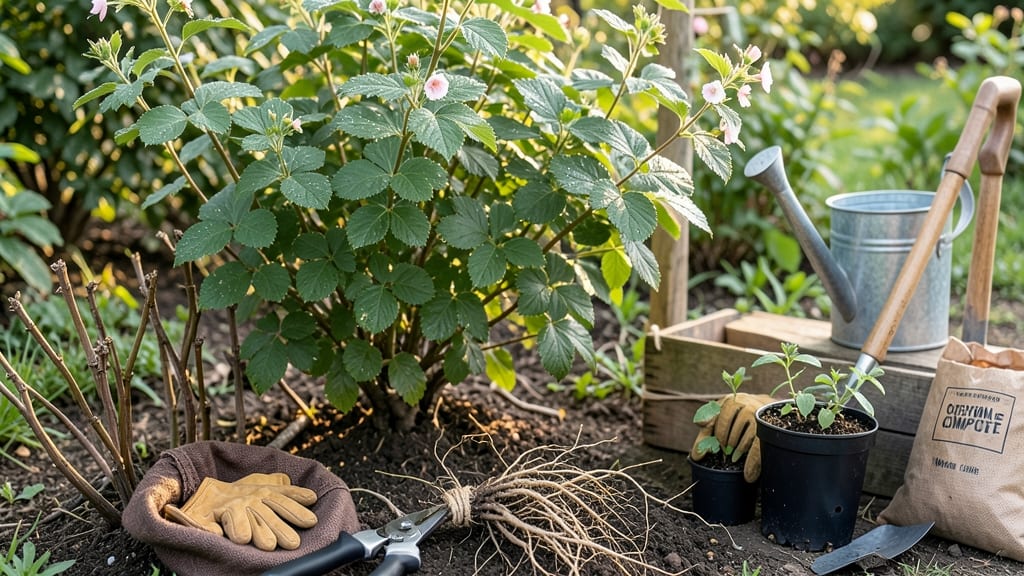
Timing your blackberry 🫐 planting in Colorado could mean the difference between a thriving bramble and a struggling shrub. With the state’s varied climate—from high-altitude chill to lower-elevation warmth—knowing when to plant is critical for success.
Most gardeners in Zones 5-7 swear by early spring (March-April) or early fall (September-October) as the best windows. But why? These periods give your plants time to establish roots before Colorado’s unpredictable frost dates or scorching summer heat.
In this guide, I’ll break down the exact planting schedule for your zone, plus how to pick the right variety—whether you’re growing thornless types for easy harvesting or hardy traditional bushes that thrive in Colorado’s cool nights.
Ready to skip the guesswork? Let’s dive into the step-by-step plan to get your blackberries off to the best start, no matter where you are in the state.
Best planting times for blackberries in Colorado by chill-hour requirements
Colorado’s variable climate demands careful timing for blackberry planting. The chill-hour requirement of your variety determines whether you’ll plant in early spring or early fall. High-chill varieties (600-1000 hours) thrive in Colorado’s Zone 5-7, while low-chill types (300-600 hours) offer flexibility for warmer microclimates.
For Zone 5 areas like Fort Collins, aim for early spring planting (March-April) when soil temperatures rise above 40°F (4°C). In Zone 7 (Denver metro), you can extend planting into late April or even early September for fall planting, provided canes establish roots before first frost (typically mid-October).
🌱 Key factors to consider: soil temperature, last frost date, and variety-specific chill hours. For example, 'Navaho' (800 chill hours) needs spring planting, while 'Arapaho' (400 chill hours) can handle fall planting in milder zones.
📋 Colorado Blackberry Planting Guide by Zone & Chill Hours
| Zone | Chill Hours | Best Planting Window | Soil Temp Requirement | Example Varieties |
|---|---|---|---|---|
| Zone 5 (Fort Collins) | 600-1000 hrs | Early Spring (March-April) | Above 40°F (4°C) | 'Navaho', 'Cheyenne', 'Black Satin' |
| Zone 6 (Colorado Springs) | 500-800 hrs | Spring (March-April) or Fall (Sept) | Above 45°F (7°C) | 'Triple Crown', 'Ouachita', 'Arapaho' |
| Zone 7 (Denver) | 300-600 hrs | Spring (April-May) or Fall (Sept-Oct) | Above 50°F (10°C) | 'Natchez', 'Chester', 'Apache' |
⚠️ Note: Fall planting requires canes to establish roots 6-8 weeks before first frost.
Spring planting offers longer establishment time before summer heat arrives. Start by preparing well-draining soil with a pH of 6.0-6.5 and amend with compost. For bare-root canes, soak roots overnight before planting to reduce transplant shock.
Fall planting is riskier in Zone 5 but works well in Zone 7 if done by early September. Choose low-chill varieties like 'Natchez' to avoid winter dieback. Mulch heavily with straw or wood chips to protect roots from freeze-thaw cycles.
🌡️ Pro Tip: Use a soil thermometer to confirm ground temps. Plant when soil is consistently above 50°F (10°C) for at least a week. This ensures root growth before dormancy sets in.
In high-elevation areas (e.g., Zone 5 near Aspen), prioritize spring planting and select cold-hardy varieties like 'Black Diamond'. These thrive with 1000+ chill hours and shorter growing seasons.
For container growing in urban areas (e.g., Denver), plant in late April when nighttime temps stay above 45°F (7°C). Use large pots (20+ gallons) with drainage holes and a trellis system to support vines.
💡 Remember: Colorado’s variable microclimates mean your neighbor’s successful planting time may not work for you. Check your local last frost date (e.g., April 15 in Denver, May 1 in Fort Collins) and adjust accordingly.
After planting, water deeply to settle soil and encourage root growth. Apply 2-3 inches of mulch to retain moisture and suppress weeds. In drought-prone areas, drip irrigation is ideal for consistent moisture.
Best planting times for blackberries in Colorado by chill-hour requirements
Colorado’s USDA Zones 5-7 demand careful timing for blackberry planting, as chill-hour needs and frost dates vary dramatically. Most blackberry varieties require 300-1,000 chill hours (below 45°F) to fruit well, but Colorado’s short growing season means you’ll need to plant early enough for roots to establish before winter.
In Zone 5 (e.g., Fort Collins), aim for March-April or September-October, while Zone 7 (e.g., Colorado Springs) can extend planting into late April or early November.
Spring planting (March-April) gives blackberries 6-8 weeks to establish roots before summer heat arrives. This is ideal for high-chill varieties (600+ hours), like 'Navaho' or 'Cheyenne,' which thrive in Colorado’s colder winters.
Fall planting (September-October) works for low-chill varieties (300-600 hours), like 'Triple Crown,' but must be done 6-8 weeks before first frost to allow root growth before dormancy.
Soil temperature is critical—plant only when the ground warms to 40°F (4°C) or above. In Denver (Zone 6), this typically aligns with mid-April for spring or early September for fall. Use a soil thermometer to confirm, as cold soil can stunt root development and delay fruiting.
🌱 Blackberry Planting Timeline for Colorado
| Zone | Best Spring Planting | Best Fall Planting | Chill-Hour Match |
|---|---|---|---|
| Zone 5 (Fort Collins) | March 15-April 15 | September 1-15 | 600-1,000 hours |
| Zone 6 (Denver) | April 1-15 | September 15-October 1 | 400-800 hours |
| Zone 7 (Colorado Springs) | April 15-May 1 | October 1-15 | 300-600 hours |
💡 Pro Tip: Adjust dates by 1-2 weeks for high-elevation areas (e.g., Boulder) where frost lingers longer.
For bare-root canes, plant as soon as they arrive in spring, but don’t delay beyond April 15 in Zone 5 or May 1 in Zone 7, or they may struggle to establish before summer.
In fall, prioritize September planting—October is risky in colder zones. Always soak bare-root canes in water for 2-4 hours before planting to rehydrate roots.
Colorado’s variable microclimates mean your exact planting window may shift. For example, southern Colorado Springs (Zone 7) can handle late fall planting, while northern Fort Collins (Zone 5) may need to plant by September 1 to avoid winter dieback.
Check your local CoCoRaHS weather station for frost dates and adjust accordingly.
After planting, mulch heavily (4-6 inches) with straw or wood chips to insulate roots during Colorado’s wild temperature swings. This is especially critical in Zone 5, where winter temps can drop below -10°F (-23°C).
Water deeply once a week until frost, keeping soil moist but not soggy to encourage root growth before dormancy.