
Plants
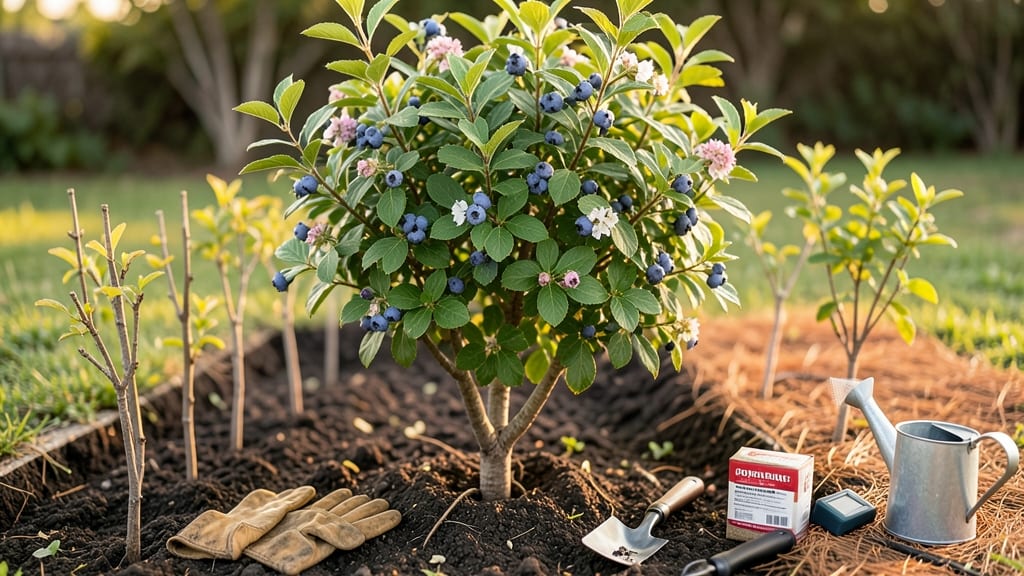
If you're dreaming of a backyard bursting with juicy 🫐 blueberries, timing your Arkansas planting is the key to success. The right window—whether late winter or crisp fall—can mean the difference between thriving bushes and years of disappointment.
Arkansas gardeners know that chill hours matter, especially in zones 7a-8b, where temperatures can swing wildly. Plant too early, and frost might nip your young bushes. Too late, and you risk stunted growth before winter dormancy kicks in.
I’ll break down the exact months to plant for your region, whether you’re in the cooler Ozarks or warmer southern Arkansas. Plus, I’ll cover soil prep, container options, and how to match varieties to your microclimate for that perfect June-August harvest.
Ready to grow blueberries that wow? Let’s get your bushes in the ground at the perfect time—no guesswork, just sweet rewards.
Best planting months for Arkansas blueberries based on chill hours
Arkansas’ climate varies dramatically from the Ozark Mountains to the Delta region, making chill hours the key factor for successful blueberry planting. Most Arkansas areas fall within USDA Zones 7a–8b, requiring 500–1,000 chill hours for optimal fruit production.
Planting at the wrong time can delay harvests or even kill young bushes.
Northern Arkansas (e.g., Fayetteville, Rogers) typically needs 800–1,000 chill hours, while southern areas (e.g., Little Rock, Pine Bluff) often get 500–700 hours. Choose varieties that match your local chill hours to ensure reliable yields every year.
For fall planting (ideal in Arkansas), aim for October–November before the first frost (usually mid-November). This gives roots time to establish before winter dormancy. Spring planting (February–March) works too, but young bushes may struggle with summer heat without established root systems.
🌱 Pro Tip: Test your soil’s chill hours using a local Cooperative Extension Service or online chill-hour calculators. Arkansas State University’s Extension Office offers free soil tests to confirm your zone’s exact chill accumulation.
📋 Arkansas Blueberry Planting Timeline by Region
| Region | Best Planting Window | Chill Hours Needed | Soil Prep Time |
|---|---|---|---|
| Northern Arkansas (Zones 7a–7b) | October 1–November 15 | 800–1,000 hours | September (2–3 weeks before planting) |
| Central Arkansas (Zones 7b–8a) | September 15–October 30 | 600–800 hours | August (3–4 weeks before planting) |
| Southern Arkansas (Zones 8a–8b) | October 15–December 1 | 500–700 hours | September (2 weeks before planting) |
🔹 Note: Adjust planting dates 1–2 weeks earlier for container-grown blueberries—they establish faster.
If you miss fall planting, don’t panic—bare-root blueberries can handle early spring planting (February–March), but mulch heavily to retain moisture. Avoid planting after April 15 in most of Arkansas, as summer heat stress can stunt young plants.
🌡️ Temperature Tip: Ideal planting soil temps should be 40–60°F. Use a soil thermometer to check—cooler temps help roots establish without heat shock.
Container planting extends your window slightly. Potted blueberries can go in March–April in Arkansas, but use 5-gallon pots minimum and acidic potting mix. Place containers in partial shade during peak summer heat to prevent wilting.
💡 Regional Exception: In southeast Arkansas (Zone 8b), where winters are milder, ‘Southern Highbush’ varieties (e.g., ‘Misty’) thrive with 500–600 chill hourslate fall planting (November–December) if protected from frost.
Finally, always acclimate bare-root plants for 1–2 weeks before planting. Soak roots in water + mycorrhizal inoculant for 24 hours to reduce transplant shock—a critical step for Arkansas’ humid summers.
Best planting months for Arkansas blueberries based on chill hours
Arkansas’ climate varies dramatically from the Ozark Mountains to the Delta region, so blueberry planting timing depends on your chill-hour zone. Northern Arkansas (Zones 6-7) typically needs 800–1,000 chill hours, while southern areas (Zone 8) thrive with 500–700 chill hours.
Planting at the right time ensures your bushes break dormancy properly and produce fruit.
For most of Arkansas, fall planting (October–November) is ideal because cool soil temperatures reduce transplant shock. Spring planting (February–March) works too, but you’ll need to water consistently until roots establish. Avoid planting after March 15—late spring plantings often struggle with summer heat before settling in.
| Region | Chill Hours | Best Planting Window | Soil Prep Tip |
|---|---|---|---|
| Northern Arkansas (Zones 6-7) | 800–1,000 hrs | October–November | Add sulfur to lower pH |
| Central Arkansas (Zone 7a) | 600–800 hrs | September–October | Use peat moss for acidity |
| Southern Arkansas (Zone 8) | 500–700 hrs | February–March | Mulch heavily to retain moisture |
If you’re in Zone 8 (southern Arkansas), spring planting is safer because fall can bring early freezes. For Zones 6–7, fall planting gives roots time to establish before winter. Always check your local last frost date—planting too late risks stunted growth or winter dieback.
Container-grown blueberries adapt well to Arkansas’ heat if planted in well-draining pots with acidic soil mixes. Move containers to partial shade during peak summer (June–July) to prevent stress. Dwarf varieties like ‘Top Hat’ are perfect for containers and thrive with 6–8 hours of morning sun.
Pro tip: Test your soil’s pH before planting—blueberries need 4.5–5.5. If your soil tests higher, amend it with elemental sulfur or pine fines 2–3 months before planting. This gives microbes time to acidify the soil naturally.
Timing isn’t just about the calendar—it’s about matching your microclimate. Observe your yard’s sun exposure, wind patterns, and past frost dates. A shaded spot in the Ozarks might freeze later than a sunny Delta garden, so adjust accordingly. 🌱