
Plants
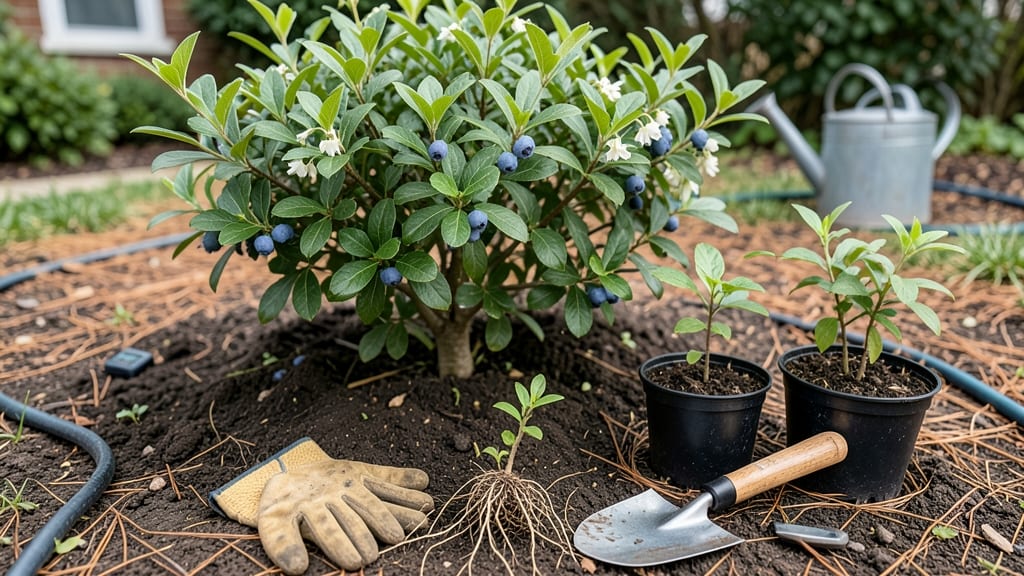
If you’re dreaming of a backyard bursting with juicy 🫐 blueberry bushes, timing your planting in North Carolina could make or break your harvest. The perfect window—whether it’s crisp fall or the quiet of late winter—depends on your local chill hours and soil conditions, not just the calendar.
Most NC gardeners swear by planting between September and October, when the air cools but the ground stays warm enough for roots to establish.
But if you’re in the mountains (zones 6a-7a), a late winter start in February or March might be your best bet to avoid frost stress. The key? Matching your blueberry variety to your region’s chill hours—something I’ll help you nail down.
Why does this matter? Plant too early, and your bushes might wake up from dormancy before the last frost. Too late, and they won’t have enough time to root before winter sets in.
I’ll break down the exact strategies for your NC zone, including soil prep tricks and container planting hacks that extend your flexibility.
Ready to turn your blueberry dreams into reality? Let’s dive into the chill-hour secrets that’ll give you a thriving bush—and a bowl of fresh, homegrown berries—year after year.
Best planting months for blueberry bushes in NC by chill-hour zone
North Carolina’s diverse climate—from the humid coast to the cool mountains—means blueberry planting timing varies dramatically. The key factor? Chill hours, which determine whether your bushes thrive or struggle. Southern NC needs low-chill varieties, while mountain regions can handle high-chill types.
Let’s break down the ideal planting windows for each zone to ensure your bushes get off to the right start.
For most of NC, fall planting (September–October) is ideal because cooler soil temps reduce transplant shock. However, spring planting (February–April) works too—just avoid planting after the last frost date, which ranges from mid-March in the mountains to mid-April along the coast.
Soil temperature should be above 45°F (7°C) for roots to establish properly.
Here’s how NC’s chill-hour zones impact planting:
Southern NC (Zones 8a–8b, 400–600 chill hours): Plant low-chill varieties like ‘Duke’ or ‘Premier’ in late winter (February–March) to avoid summer heat stress. These areas have shorter winters, so timing is critical to ensure buds break dormancy correctly.
Central NC (Zones 7a–7b, 600–800 chill hours): Both fall and spring work well for varieties like ‘Climax’ or ‘Tifblue.’ Aim for September–October planting to let roots establish before winter, or March–April once soil warms.
Mountain NC (Zones 6a–7a, 800–1000+ chill hours): High-chill varieties like ‘Bluecrop’ or ‘Jersey’ thrive when planted in early fall (September) or late winter (February). These regions have longer winters, so planting too late in spring risks frost damage to new growth.
🌱
| Region | Chill Hours | Best Planting Window | Ideal Varieties | Soil Temp for Planting |
|---|---|---|---|---|
| Southern NC | 400–600 | Feb–Mar (spring) or Sep (fall) | Duke, Premier, Tifblue | 45–55°F (7–13°C) |
| Central NC | 600–800 | Sep–Oct (fall) or Mar–Apr (spring) | Climax, Bluegold, Legacy | 45–55°F (7–13°C) |
| Mountain NC | 800–1000+ | Sep (early fall) or Feb (late winter) | Bluecrop, Jersey, Patriot | 40–50°F (4–10°C) |
Moisture matters just as much as timing. After planting, keep soil consistently moist (not soggy) for the first 4–6 weeks. Use mulch (3–4 inches) to retain moisture and regulate soil temperature.
In sandy coastal soils, water deeply 2–3 times per week until roots establish, while clay-heavy mountain soils may need less frequent but deeper watering.
Pro tip: Test your soil’s pH (4.5–5.5) before planting—NC’s native soils often lean alkaline, and blueberries hate alkaline soil. Amend with sulfur or peat moss if needed. The NC State Extension offers free soil tests; use their localized recommendations for your county.
Container growing extends your planting window slightly. You can plant potted blueberries in late spring (April–May) or even early fall (September) as long as containers are protected from frost in winter. Just ensure pots have drainage holes and use acidic potting mix.
💧
One last tip: If you’re planting in urban areas with microclimates (like heat islands), opt for spring planting to avoid summer heat stress. And if you’re in hurricane-prone coastal zones, plant in early fall (September) to give roots time to anchor before storms roll in.
How to match blueberry varieties to NC’s chill-hour regions for maximum yield
Selecting the right blueberry variety for your NC location isn’t just about taste—it’s about survival. Your bushes need the perfect chill-hour match to produce fruit reliably. Southern NC’s mild winters demand low-chill varieties, while mountain regions thrive with high-chill types.
Let’s decode how to pick the best match for your zone using simple tools like NOAA chill-hour data and NC State Extension resources.
First, determine your local chill hours by checking NOAA’s climate database or your county’s NC State Extension office. Most of NC falls into 400–1000 chill hours, but even a 200-hour difference can mean the difference between a bountiful harvest and a bare bush.
For example, ‘Duke’ (400–600 hours) wilts in mountain zones, while ‘Bluecrop’ (800+ hours) struggles in the coastal plain.
🌱
| Region | Chill Hours | Best Varieties | Yield Potential | Notes |
|---|---|---|---|---|
| Southern NC | 400–600 | Duke, Premier, Tifblue | Moderate (early ripening) | Heat-tolerant; needs winter chill |
| Central NC | 600–800 | Climax, Bluegold, Legacy | High (reliable) | Versatile; good for containers |
| Mountain NC | 800–1000+ | Bluecrop, Jersey, Patriot | Very High (large berries) | Cold-hardy; needs winter dormancy |
If you’re unsure about your chill hours, use this quick trick: Check the average winter lows in your area. For every 10°F below freezing (0°C) for at least 1 hour, count it as 1 chill hour.
For example, a winter with 50 nights below 32°F (0°C) likely means 500+ chill hours. NC State Extension’s chill-hour maps simplify this—just plug in your ZIP code.
For gardeners moving between NC regions (e.g., coastal to mountain), transition varieties gradually. If you’re planting in containers, opt for dwarf varieties like ‘Top Hat’ (400–600 hours) or ‘Peach Sorbet’ (600–800 hours), which adapt better to microclimates.
Just ensure containers have insulation in winter to protect roots from freeze-thaw cycles.
Pro tip: Mix low-chill and mid-chill varieties in central NC for a longer harvest season. For example, pair ‘Duke’ (early) with ‘Climax’ (mid-season) to enjoy berries from May through July. And if you’re in urban heat islands, choose heat-tolerant types like ‘Tifblue’ to avoid summer stress.
💡