
Plants
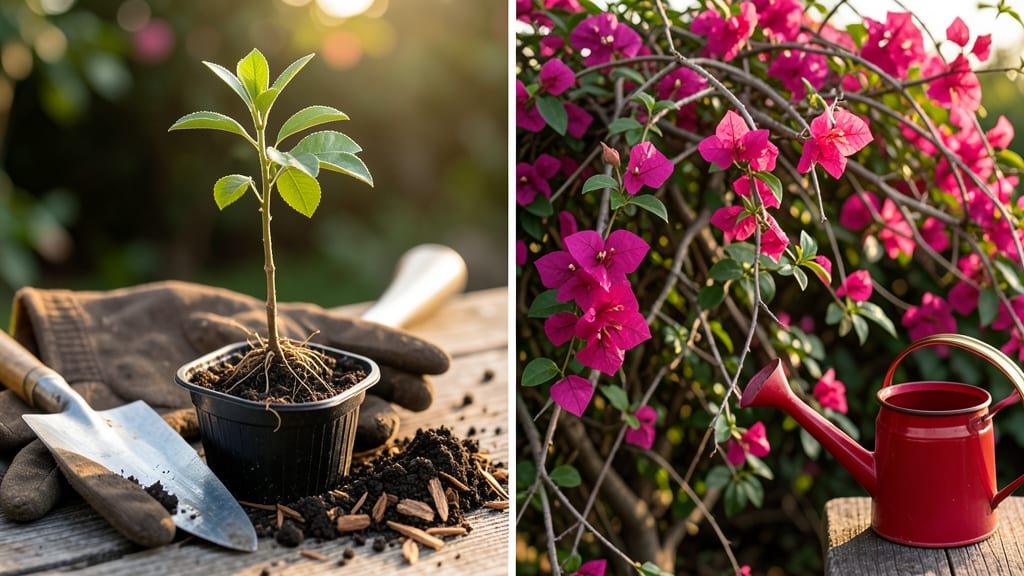
Planting bougainvillea in Arizona might seem tricky with its extreme heat and rare but possible cold snaps—but timing it right ensures your 🌸 bougainvillea thrives year-round. The key is planting during the cooler months, when temperatures are mild and the risk of transplant shock is lowest.
Most Arizona gardeners swear by November through March as the sweet spot for planting, avoiding both the scorching summers and any unexpected winter chills. This window gives your bougainvillea time to establish roots before the intense desert sun kicks in.
Whether you're planting from seeds or transplanting a young bougainvillea, proper timing is everything. I’ll walk you through the exact steps to prepare your soil, choose the right location, and care for your plant so it blooms beautifully from spring to fall.
Don’t let Arizona’s unpredictable weather stop you—with the right approach, your bougainvillea can become a stunning, low-maintenance centerpiece in your garden. Let’s get started!
Best months to plant bougainvillea in Arizona (with freeze risk zones)
Arizona’s USDA Zone 9b climate means bougainvillea can thrive year-round, but timing matters to avoid winter freezes or summer heat shock. Unlike frost-prone regions, Arizona’s biggest threat isn’t cold—it’s unpredictable cold snaps (even below 25°F) that can kill tender roots.
The sweet spot is late fall to early spring, when temps are mild and rain provides natural moisture.
Your location in Arizona changes the ideal window. Phoenix and Tucson gardeners have a longer safe period, while Flagstaff’s higher elevations face earlier freezes. Container-grown bougainvillea offers flexibility—you can move them indoors or under cover during cold snaps.
For in-ground planting, November through March is your best bet, aligning with the plant’s natural dormancy cycle.
Here’s the critical comparison for Arizona regions, including container vs. in-ground planting:
| Region | Best Planting Window | Container Notes | In-Ground Notes | Freeze Risk |
|---|---|---|---|---|
| Phoenix/Tucson | November–March | Move indoors if temps <28°F | Protect with mulch | Low (rare below 25°F) |
| Sedona/Prescott | October–February | Use frost blankets | Plant near heat-retaining walls | Moderate (20–25°F) |
| Flagstaff | September–November | Grow in pots year-round | Avoid ground planting | High (below 20°F) |
For container planting, you can push boundaries slightly. In Phoenix or Tucson, I’ve successfully planted bougainvillea as early as October or as late as April, but only if using 5-gallon+ containers with drainage holes.
The key is monitoring nighttime temps—if they dip below 40°F, protect your plants with frost cloth or move them to a garage or patio.
If you’re transplanting an established bougainvillea, aim for late winter (February–March) when roots are dormant but new growth hasn’t started. This minimizes transplant shock and gives the plant time to establish before summer’s 110°F+ heat.
I’ve seen bougainvillea recover from poor timing, but spring planting (April+) risks heat stress—new roots can’t keep up with Arizona’s intense sun.
One common mistake is planting too early in September or too late in May. September’s monsoon rains can waterlog soil, while May’s triple-digit temps dehydrate young roots.
Instead, align with the plant’s natural cycle: bougainvillea blooms in response to temperature shifts, so planting in cool-season months sets you up for spring and fall flowers—the most vibrant periods in Arizona.
For seed starting, the window narrows to January–February. Bougainvillea seeds germinate best at 70–75°F, so use a heat mat or start them indoors under grow lights. Transplant seedlings outdoors only after last frost risk passes (typically mid-March in Phoenix, late March in Tucson).
Seedlings are far more delicate than mature plants, so harden them off gradually over 2 weeks.
Don’t overlook microclimates. A south-facing wall in Phoenix can be 10°F warmer than open ground, extending your planting window by 2–4 weeks. Similarly, elevated containers warm up faster in spring, letting you plant 2 weeks earlier than in-ground.
Test your spot by checking soil temperature—it should be at least 60°F for 24 hours before planting.
Finally, prune back any winter damage after the last frost (usually mid-March in most of Arizona). This encourages new, heat-resistant growth and ensures your
Best planting months for bougainvillea in Arizona (by region)
Arizona’s climate varies dramatically from the Sonoran Desert in Phoenix to the high desert of Flagstaff, so timing matters. Bougainvillea thrives in mild winter temperatures (50–70°F) but wilts in summer’s 110°F+ heat. Planting too early risks frost damage, while late planting stresses young roots before monsoon rains arrive.
For Phoenix and Tucson, aim for November through March—cooler months with low frost risk and moderate rainfall. In Flagstaff or Prescott, where nights dip below freezing, plant in late spring (May) after the last frost date (typically April 15).
Container-grown bougainvillea adapts better to transplant shock than seeds, so prioritize established plants.
| Region | Best Planting Window | Key Considerations | Avoid |
|---|---|---|---|
| Phoenix/Tucson | November–March | Cool nights (50–65°F), minimal frost risk | April–October (extreme heat) |
| Flagstaff/Prescott | Late May–June | Post-last frost (April 15), soil warmed to 60°F+ | September–April (frost risk) |
| Sedona/Jerome | April–May | Elevated areas (5,000+ ft) need delayed planting | Winter (below 32°F) |
🌡️ Pro Tip: Check local frost dates via AZ Meteorological Office for microclimate adjustments.
If you miss the winter window, container planting lets you move bougainvillea indoors during summer heatwaves (e.g., place near a south-facing window with 6+ hours of light). For outdoor planting, pair bougainvillea with drought-tolerant companions like agave or yucca to share water needs and reduce transplant stress.
Soil prep is critical: amending with sand and compost (50/50 mix) improves drainage, while mulching with gravel (not organic mulch) prevents root rot in Arizona’s alkaline soils. Test soil pH—bougainvillea prefers 6.0–7.0—and adjust with sulfur if needed.
For container bougainvillea, plant in well-draining pots (terracotta or fabric) with cactus/succulent mix. Elevate pots on feet to prevent waterlogging. Water deeply every 2–3 days in summer, but reduce to weekly in winter. Fertilize lightly in spring (7-9-5 NPK) to avoid heat stress.
Remember: bougainvillea’s blooms form on new growth, so planting too late delays first-year flowers. Start with established plants (not seeds) for faster root establishment and color. With the right timing, your bougainvillea will reward you with vibrant blooms year-round—even in Arizona’s desert heat! 🌸