
Plants
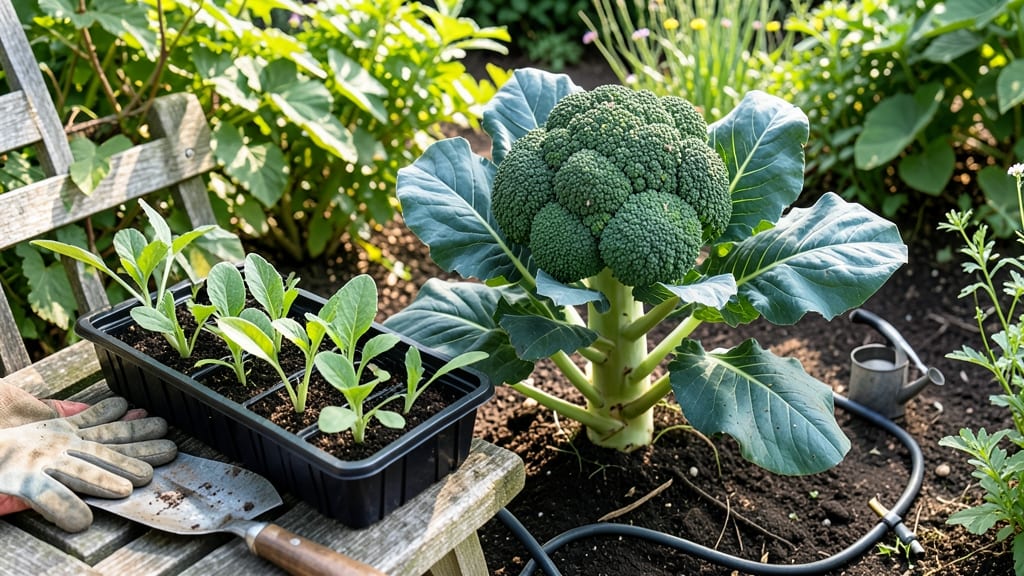
Timing your broccoli 🥦 planting in New Jersey can mean the difference between a bountiful harvest and a bitter disappointment. With NJ's 6a-7b climate zones, getting those seeds in the ground at just the right moment is the key to avoiding bolting and maximizing your yield.
Most gardeners in the Garden State know spring is the prime window, but did you know late summer planting can also deliver fall harvests? The secret lies in understanding your local frost dates and soil temperatures—something I'll break down so you never miss a planting opportunity again.
Whether you're starting with seedlings or direct sowing, I'll show you exactly when to plant for zero bolting risk in both coastal and inland NJ regions. Let's get those broccoli crowns growing strong from day one.
From early March starts to August fall plantings, we'll cover all the NJ-specific timing you need. Ready to transform your garden into a broccoli powerhouse? Let's dive into the perfect planting schedule for your zone.
Best broccoli planting dates in NJ by variety (avoid bolting with these timelines)
New Jersey’s USDA Zones 6a-7b give you two prime windows for growing broccoli: early spring and late summer. But timing is critical—plant too soon, and cold snaps cause stunted growth; too late, and heat triggers bolting (the plant’s rush to flower).
For spring crops, aim for March 15–April 15, while fall plantings should start August 1–15 to mature before the first frost.
Your choice of variety also dictates timing. Cold-hardy types like 'Waltham 29' or 'Calabrese' thrive in early spring, while heat-tolerant varieties such as 'De Cicco' or 'Green Magic' handle late-summer starts better. Let’s break down the exact dates and varieties to maximize your harvest without risking bolting.
🥦 NJ Broccoli Planting Timeline by Variety
| Variety | Spring Planting Window | Fall Planting Window | Days to Harvest | Bolting Risk |
|---|---|---|---|---|
| Waltham 29 | March 15–April 1 | August 1–15 | 60–70 days | Low in cool weather |
| Calabrese | March 20–April 10 | August 5–20 | 65–75 days | Moderate in heat |
| De Cicco | April 1–15 (late start) | August 15–30 | 50–60 days | High in extreme heat |
| Green Magic | March 20–April 5 | August 10–25 | 55–65 days | Low in fall |
🌡️ Pro Tip: Soil temps should be 40–85°F for ideal germination.
For spring plantings, start seeds indoors 4–6 weeks before your last frost date (typically mid-April in most of NJ). Transplant seedlings outdoors once soil warms to 40°F and nighttime temps stay above 35°F.
Coastal areas like Cape May can plant 2 weeks earlier due to milder microclimates, while inland zones (e.g., Sussex County) should wait until April 1 to avoid frost damage.
Fall broccoli thrives when planted 90–120 days before the first frost (usually mid-October in NJ). Aim for August 1–15 to ensure heads mature before cold snaps. Use row covers if temps dip below 40°F at night to protect young plants.
Monitor your local frost dates—NJ’s can vary by 1–2 weeks between north and south. Check the NJ State Climate Office or use a frost calendar app to adjust your schedule.
For example, Morris County might have a first frost on October 15, while Atlantic City could extend harvests until November 1.
If you miss the spring window, don’t despair—succession planting every 2 weeks in April can stretch your harvest through June. For fall, plant a second crop in late July for a late-October harvest.
Just remember: heat + drought = bolting, so keep soil moist and provide afternoon shade during summer months.
For urban gardeners with limited space, opt for dwarf varieties like 'Green Gems' (50–60 days to harvest) or 'Little Sprint' (45 days). These bolt-resistant types work well in containers and can be planted as late as May 1 for a small fall crop.
🌱 Key Takeaway: NJ’s two planting windows—March–April and August—are your best bets. Choose cold-hardy varieties for spring and heat-tolerant types for fall to avoid bolting and maximize yield.
How NJ’s microclimates change broccoli planting (zone-specific adjustments)
New Jersey’s diverse geography means your broccoli planting dates can vary by 500 miles—from the cooler coastal breezes of Cape May to the warmer inland valleys of Morris County.
These microclimates create unique frost risks and soil temperature differences that directly impact your harvest. Understanding these zones helps you avoid premature bolting or stunted growth.
Coastal areas like Atlantic City and Cape May experience later last frosts (often mid-April to early May) due to ocean moderation. Meanwhile, inland regions like Trenton or Newark can see earlier soil warming in March, allowing for 3-4 weeks earlier planting.
Urban gardens in Jersey City may face heat island effects, pushing fall planting 2 weeks later than rural areas.
Soil temperature is critical—broccoli seeds need 40-50°F soil to germinate. Coastal soils stay cooler longer, while inland soils can reach ideal planting temps by late February. Always check local frost dates from the NJ State Climate Office and adjust your schedule accordingly.
NJ Microclimate Planting Guide
| Zone | Last Frost Date | First Frost Date | Spring Planting Window | Fall Planting Window |
|---|---|---|---|---|
| Coastal (Cape May) | Mid-April | Early November | Late March–Early April | Mid-August–Early Sept |
| Inland (Trenton) | Early April | Mid-October | Late February–March | Late July–August |
| Urban (Jersey City) | Late April | Late October | Early April | Early August |
| Northern (Morris Co.) | Early April | Early October | Late March | Late July |
*Adjust dates 1-2 weeks based on microclimate variations within zones.
For coastal gardeners, focus on late March–early April for spring plantings, as cooler soils delay germination. Use row covers to protect seedlings from late frosts that linger until May.
Inland areas can start 2-3 weeks earlier—aim for late February—but monitor soil temps with a soil thermometer to avoid cold damage.
Urban gardens often face heat stress in summer, so shift fall planting to early August instead of late July. Pair this with drip irrigation to maintain even moisture and reduce bolting risks. Northern NJ’s shorter growing season demands fast-maturing varieties like ‘Waltham 29’ or ‘Packman’ for reliable harvests.
Pro tip: Test your soil’s pH (6.0–7.0) and organic matter—coastal soils often need extra compost to improve drainage, while inland soils may require sand amendments for better warmth retention. A simple soil test from your local Cooperative Extension office ensures your broccoli thrives in its microclimate.
🌱