Plants
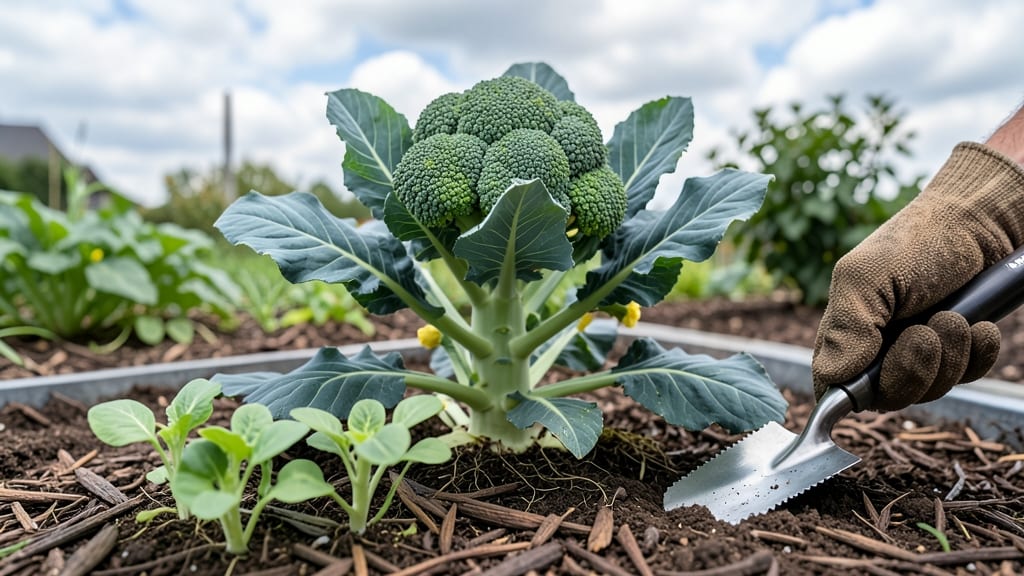
Timing your 🥦 broccoli planting in South Carolina can feel like a high-stakes game—get it wrong, and you’ll either watch your plants bolt into bitter flowers or miss the harvest window entirely. The truth?
Coastal Charleston and inland Columbia don’t just have different weather—they operate on completely different planting schedules, with a 3-4 week gap that could mean the difference between a bountiful garden and wasted seeds.
Most gardeners assume "spring" means March, but in USDA Zone 7b-8a, that’s a recipe for disaster if you’re not accounting for microclimates. Coastal areas like Myrtle Beach can start as early as February, while inland spots near Columbia need to wait until late March to avoid heat stress.
And don’t even get me started on fall planting—one wrong move, and your broccoli will bolt before you can say "harvest time."
Here’s the good news: with the right strategy, you can master the timing and enjoy two harvests a year—one in late spring and another in crisp fall.
I’ll break down the exact windows for your region, plus pro tips to adjust for humidity, heat spikes, and even soil prep tricks that add 2-3 extra weeks to your growing season. Let’s get those seeds in the ground the right way.
Whether you’re a first-time gardener or a veteran with a few failed attempts under your belt, this guide will help you avoid common mistakes and grow broccoli that’s ready to harvest—just in time for your favorite recipes. Ready to stop guessing and start growing?
Optimal broccoli planting dates by South Carolina region (coastal vs inland)
Broccoli thrives in South Carolina’s cool seasons, but your exact planting dates depend on whether you’re in coastal Charleston or inland Columbia. Coastal areas have milder winters and longer growing seasons, while inland zones face earlier frosts and hotter summers.
Get this wrong, and you’ll risk bolting (premature flowering) or stunted growth.
For spring harvests, aim to plant 4-6 weeks before your last frost date—typically mid-March to early April inland and late February to March along the coast.
Fall plantings should happen 8-10 weeks before the first frost, usually August to early September, with coastal areas having a 2-3 week extension.
Here’s how to align your planting with South Carolina’s microclimates to maximize yields and avoid common pitfalls like heat stress or frost damage.
Notice the 3-4 week shift in frost dates between coastal and inland zones? This is why Charleston gardeners can plant broccoli 6 weeks earlier than those in Greenville.
For example, if you’re in Columbia and plant in early March, your broccoli will be ready by late May, while coastal plantings in late February yield harvests by early April.
Pro tip: Use the South Carolina Extension Service’s frost maps to pinpoint your exact last frost date. Even a 1-week difference can mean the difference between a bountiful harvest and bolted broccoli.
For fall plantings, inland gardeners should start seeds indoors by late July to transplant in early August, while coastal gardeners can direct-sow until mid-September.
The key is avoiding heat stress—broccoli hates temperatures above 85°F, so shade cloth or afternoon shade can extend your window by 2-3 weeks.
If you’re in Zone 7b-8a (most of SC), aim for these critical deadlines: - Spring: Transplant seedlings by April 15 (inland) or March 30 (coastal). - Fall: Plant by September 1 (inland) or September 15 (coastal).
Miss these windows, and you’ll either deal with stunted plants or bolted broccoli—neither of which is ideal. Next, we’ll cover microclimate adjustments to push these dates even further.
How to adjust planting for South Carolina’s microclimates (avoiding bolt risk)
South Carolina’s coastal humidity and inland heat create two wildly different broccoli-growing challenges. In Charleston, high humidity can trigger fungal diseases, while inland areas like Columbia face heat spikes that push broccoli into bolting mode.
The key? Adjusting your planting strategy to match your microclimate—whether that means using shade cloth in the Lowcountry or black plastic mulch in the Upstate.
Here’s how to extend your broccoli season by 2-3 weeks in both regions without risking wasted seeds or bitter harvests:
🌡️ Microclimate-Specific Adjustments
- Coastal Areas (Charleston, Myrtle Beach): Use 30% shade cloth in peak summer (June-August) to lower soil temps by 5-10°F. Plant 4-6 weeks later than inland zones to avoid spring heat stress.
- Inland Areas (Columbia, Greenville): Lay black plastic mulch 2 weeks before planting to warm soil 2-3°F faster. Start seeds indoors in late February for early March transplants.
- Both Regions: Succession plant every 2 weeks from March-April and August-September to stagger harvests. Use drip irrigation to maintain consistent soil moisture—critical for bolt prevention.
- Soil Trick: Amend beds with composted pine fines (coastal) or aged manure (inland) to improve drainage without raising soil pH too high.
- Heat Tolerance Hack: Choose transplant-friendly varieties like 'Calabrese' for inland areas, which handle 85°F+ temps better than open-pollinated types.
For coastal gardeners, the biggest enemy is late-spring heat combined with humidity. If you plant too early (before mid-March), your broccoli will bolt by May. Instead, wait until April 1st for direct sowing or transplant hardened-off seedlings in late March.
Pair this with morning watering (never overhead) to prevent fungal spores from thriving. Inland growers, meanwhile, should avoid fall plantings after Labor Day—broccoli planted in September will bolt by October’s first frost unless you use row covers to extend the season.
One game-changing tip: Monitor your soil temperature with a cheap probe. Broccoli seeds need 40-50°F soil to germinate, while transplants thrive in 60-70°F. Inland areas hit these temps 2-3 weeks earlier than coastal zones.
Use this data to time your last spring planting—aim for mid-August inland, but wait until early September near the coast.
Planting in these conditions = wasted seeds
Finally, don’t underestimate the power of container gardening for microclimate control. Inland growers can move pots to shade during heatwaves, while coastal gardeners can elevate containers to improve drainage. Just ensure containers are at least 12 inches deep—broccoli’s tapered roots need room to stretch.
And remember: bolting isn’t just about heat. Stress from drought, poor soil, or overcrowding can trigger it too. So mulch heavily (3-4 inches of straw) and space plants 18-24 inches apart for optimal airflow.
With these adjustments, you’ll avoid the #1 mistake SC gardeners make: planting broccoli on a one-size-fits-all schedule. Your coastal neighbors’ success won’t guarantee yours—and vice versa. 🌱