
Plants
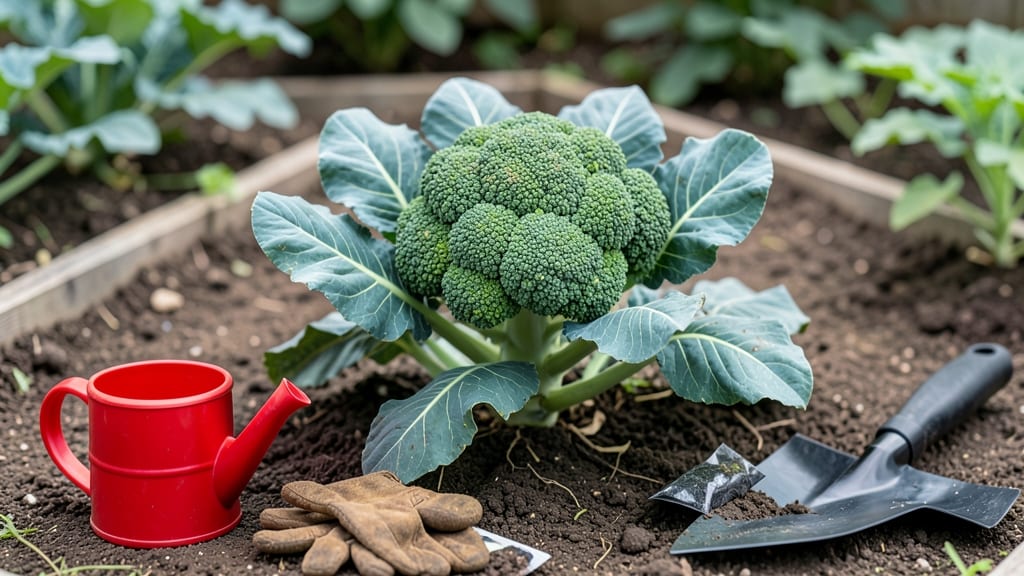
If you're wondering when to plant broccoli in Zone 8b, timing is everything—get it wrong, and you might end up with bitter-tasting heads or plants that bolt before producing.
The good news? Zone 8b’s mild winters and warm summers actually give you two perfect windows to grow this cool-weather crop.
Broccoli 🥦 loves cooler temperatures, so spring and fall are your best bets. Planting in early fall (August-September) ensures a harvest before winter sets in, while late winter (February-March) starts your spring crop just as the weather warms up.
But here’s the catch: Zone 8b’s heat can be tricky, so we’ll show you how to time it right for maximum success.
I’ve grown broccoli in this zone for years, and I’ve learned the hard way that rushing spring planting or waiting too long in fall can backfire. The key is understanding your local microclimate—whether you’re in a coastal area with milder winters or an inland spot with hotter summers—and adjusting accordingly.
Let’s break down the exact planting schedule that works.
You’ll discover how to prepare your soil, space your plants for optimal growth, and even extend your harvest with succession planting. By the end, you’ll know exactly when to put those seedlings in the ground for bold, flavorful broccoli all season long.
Best planting windows for broccoli in Zone 8b: spring vs fall breakdown
In Zone 8b, where winters are mild and summers can be scorching, timing is everything for growing sweet, tender broccoli. The key is planting when temperatures stay cool—either in early fall or late winter—to avoid the heat that triggers bitter, woody heads or premature bolting.
Let’s break down the ideal planting windows and what you need to know for each season.
Fall planting is often the most reliable strategy in Zone 8b because it lets broccoli mature before winter sets in. Start seeds or set out transplants 8-10 weeks before your first frost, which typically falls around December 1 in this zone.
For spring, aim to plant 2-3 months before your last frost (around February), giving your broccoli enough time to grow before summer heat arrives.
Soil temperature is critical—broccoli seeds germinate best in soil between 40°F and 85°F, but for strong starts, 50°F-70°F is ideal. In Zone 8b, this means waiting until late August to September for fall planting or February to early March for spring.
Use a soil thermometer to check before planting to avoid slow germination or uneven growth.
Another critical factor is day length. Broccoli grows best with longer days in spring but prefers shorter days in fall to prevent bolting. In Zone 8b, fall’s cooling temperatures and shorter daylight hours create perfect conditions for broccoli to focus on head formation instead of flowering.
🌱 Zone 8b Broccoli Planting Comparison
| Season | Planting Window | Soil Temp | Days to Harvest | Key Tips |
|---|---|---|---|---|
| Fall | August–September | 50°F–70°F | 50–70 days | Plant 8–10 weeks before frost; use shade cloth if temps rise above 80°F. |
| Spring | February–March | 45°F–65°F | 60–80 days | Avoid planting too early; wait until soil warms to prevent rot. |
💡 Pro Tip: For a continuous harvest, stagger plantings every 2–3 weeks in fall or spring.
If you’re planting in late spring or early summer, choose heat-tolerant varieties like ‘Waltham 29’ or ‘De Cicco’, which can handle slightly warmer conditions. However, broccoli grown in summer often produces smaller, bitter heads, so prioritize fall or spring plantings for the best results.
One common mistake in Zone 8b is planting broccoli too late in spring, when temperatures climb above 85°F. This causes the plant to bolt (flower prematurely) or develop tough, fibrous heads.
To avoid this, always check your local 10-day forecast before planting and be ready to provide afternoon shade if needed.
For fall plantings, focus on soil preparation in late summer. Amend your garden bed with compost or aged manure to improve fertility, and mulch heavily with straw or wood chips to retain moisture and regulate soil temperature. This helps broccoli establish strong roots before winter arrives.
In Zone 8b, succession planting is your secret weapon for a steady harvest. After your first planting, follow up with new transplants every 2–3 weeks in fall or spring. This ensures you’re always harvesting fresh broccoli while older plants mature.
Just be sure to space them properly—18–24 inches apart in rows 30 inches apart—to give each plant room to grow.
Finally, keep an eye on your broccoli’s growth stage. In Zone 8b, fall-grown broccoli typically reaches harvest size by October or November, while spring plantings may be ready by April or May.
Harvest heads when they’re firm and compact, cutting them just above the largest side shoot to encourage regrowth.
With these timing strategies, you’ll enjoy crisp, sweet broccoli straight from your Zone 8b garden—no bitter surprises here! 🥦
Best planting windows for broccoli in Zone 8b: spring vs fall breakdown
Zone 8b gardeners have two prime opportunities to grow broccoli: early fall and late winter. These windows align with cooler temperatures that broccoli craves—anything outside this range risks bolting (premature flowering) or poor germination.
Let’s break down the exact timing and conditions for each season to maximize your harvest.
For fall planting, aim to sow seeds or transplant 4-6 weeks before your first frost—typically between mid-August and mid-September in Zone 8b. This gives plants enough time to mature before winter sets in.
In contrast, spring planting should occur 2-3 months before your last frost, usually between late February and early March, to avoid summer heat stress.
🌱 Zone 8b Broccoli Planting Comparison
| Season | Planting Window | Soil Temp | Days to Harvest | Key Tip |
|---|---|---|---|---|
| Fall | Mid-August - Mid-September | 50-70°F | 60-80 days | Use heat-tolerant varieties like 'De Cicco' for later starts. |
| Spring | Late February - Early March | 45-55°F | 70-90 days | Mulch heavily to retain moisture during spring warmth. |
Soil temperature is critical—broccoli seeds need soil temps between 45-85°F to germinate. In Zone 8b, fall soil cools naturally, while spring soil warms quickly. Test your soil with a thermometer (available at garden centers) to confirm readiness.
Pro tip: If your spring soil heats up too fast, consider shade cloth to protect young seedlings.
Another key factor is frost timing. Zone 8b’s first frost typically arrives around December 1, while the last frost occurs near January 15. Fall-planted broccoli should mature before the first frost, while spring-planted varieties need to establish roots before the last frost.
For example, if you plant in late February, your broccoli will likely be ready to harvest by late April or May.
Don’t overlook microclimate variations in Zone 8b. Coastal areas stay milder longer, while inland regions experience sharper temperature swings. If you’re near the coast, you might push fall planting into early October, whereas inland gardeners should stick to mid-September to avoid frost damage.
Always check your local frost date averages for precision.
For both seasons, transplants (not seeds) are your best bet in Zone 8b. They establish faster and give you a head start on the growing season. Look for compact varieties like 'Waltham 29' or 'Calabrese'—they’re well-suited to Zone 8b’s climate and less likely to bolt in summer’s residual heat.
Finally, remember that succession planting can extend your harvest. After your first fall crop matures, sow a second batch in late September for a winter harvest, or plant a spring batch in early March to capitalize on cooler temperatures.
With these timing strategies, you’ll enjoy fresh broccoli from October through May in Zone 8b! 🥦