
Plants
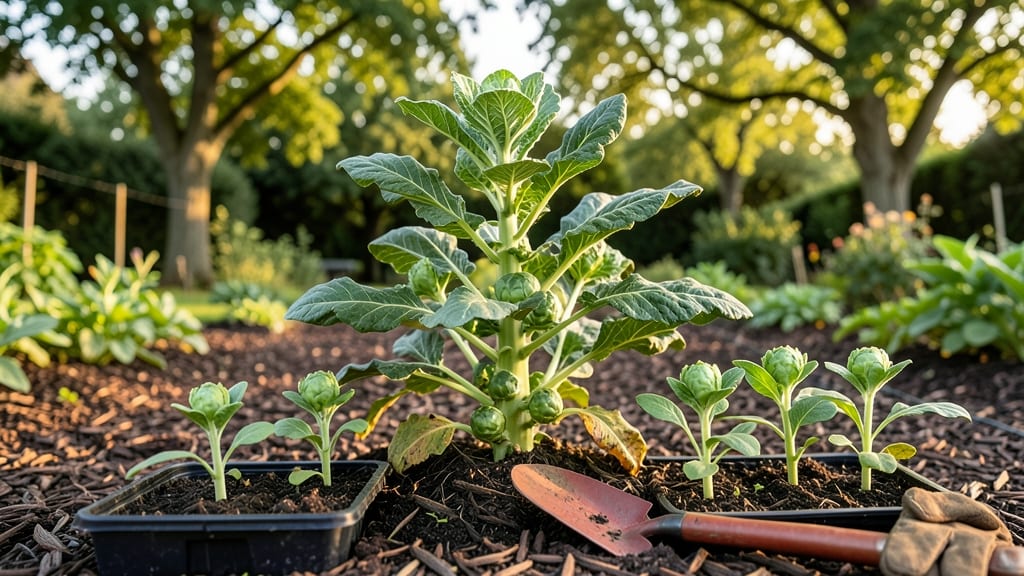
Planting Brussel sprouts 🥦 in Southern California isn’t just about timing—it’s about mastering your microclimate. Coastal areas like San Diego can handle late fall plantings, while inland zones like Riverside need cooler winter starts to avoid summer bolting.
Get this wrong, and you’ll end up with bitter sprouts or wasted effort.
Most gardeners in USDA zones 9b-10a assume they can plant anytime, but the truth is far more nuanced. The key is planting between September and October for fall harvests or February and March for spring yields—both strategies avoid the brutal summer heat that stresses these cool-loving plants.
What if you’re in a cooler microclimate, like higher elevations? Container gardening becomes your best friend, letting you control soil temperature and extend the season. I’ll show you exactly how to time your plantings for zero-frost harvests, whether you’re coastal or inland.
Ready to grow Brussel sprouts 🥦 that taste sweeter and last longer? Stick around—I’ll break down the exact coastal vs. inland schedules, soil prep secrets, and watering tricks that make all the difference in Southern California’s unpredictable climate.
Optimal Brussels sprout planting dates by Southern California microclimate
Southern California’s mild winters and frost-free zones make Brussels sprouts a perfect fit—but your exact planting window depends on whether you’re coastal or inland. Coastal areas like Los Angeles and San Diego enjoy warmer microclimates, while inland regions like Riverside or Bakersfield experience cooler nights.
Let’s break down the best monthly planting schedules for zero-frost harvests.
For coastal Southern California (USDA Zones 9b–10a), your ideal planting window is late August through September for fall harvests or February through March for spring yields. Inland areas can push planting slightly later—mid-September to October—to avoid summer heat stress.
The key is 8–10 weeks before your first expected frost, though frost is rare in most zones.
Here’s the visual comparison of coastal vs. inland planting timelines, including direct sowing vs. transplanting tradeoffs:
| Microclimate | Best Planting Months | Transplant Window | Harvest Window | Key Consideration |
|---|---|---|---|---|
| Coastal (LA, San Diego) | Late Aug–Sept (fall) or Feb–March (spring) | Sept–Oct or March–April | Dec–Jan (fall) or June–July (spring) | Warmer nights delay bolting |
| Inland (Riverside, Bakersfield) | Mid-Sept–Oct (fall) or Feb–March (spring) | Oct–Nov or March–April | Dec–Jan (fall) or June–July (spring) | Cooler nights; plant later |
| High Elevation (Big Bear, Mt. San Jacinto) | Sept–Oct (fall only) | Sept–Oct | Nov–Dec | Frost risk after Dec |
If you’re direct sowing seeds, coastal gardeners can start as early as late August, while inland areas should wait until mid-September to avoid heat stress. For transplants, purchase 6-week-old seedlings from nurseries and set them out 4–6 weeks before your target harvest.
This gives roots time to establish before cooler weather arrives.
Pro tip: Use shade cloth if planting in late summer to protect young seedlings from 100°F+ temperatures. Even Southern California’s coastal areas can hit heat spikes that stunt growth. Aim for 60–70°F daytime temps during establishment for best results.
For spring harvests, plant in February or March—just as daytime temps begin to rise but nights stay cool. This ensures 90–120 days to maturity before summer heat sets in. Inland areas may need to harvest earlier (by June) to avoid bolting.
One mistake I see often? Planting too late in October or November. While Brussels sprouts are cold-hardy, they won’t mature quickly enough in Southern California’s mild winters. Prioritize early fall or late winter planting for the best yields.
🌱
How to extend your Brussels sprout harvest season without frost risk
Southern California’s frost-free winters give you a unique advantage—you can harvest Brussels sprouts year-round with the right techniques. The trick is staggered planting and season extension to avoid summer bolting while maximizing cool-weather growth. Here’s how I’ve successfully pushed harvests from December to July in my own garden.
First, succession planting is your best friend. Instead of one big planting, sow seeds every 2–3 weeks from September through October for fall harvests. This ensures a continuous supply of mature sprouts without overloading your garden at once. For spring harvests, repeat the process in February and March.
Here’s my step-by-step guide to extending your harvest season without frost risk:
- 📅 Staggered Planting: Sow seeds every 2 weeks from Sept–Oct (fall) or Feb–March (spring). Example: Start on Sept 1, then Sept 15, Oct 1, and Oct 15 for a 4-month harvest window.
- 🌡️ Cold-Hardening: Expose seedlings to 50–60°F nights 1 week before transplanting. Harden by placing them outdoors during the day and bringing them in at night for 3–5 days.
- 🛡️ Row Covers: Use floating row covers in late fall (Nov–Dec) to protect from unexpected chilly nights (40°F). Remove during the day for sunlight.
- 💧 Consistent Watering: Increase water to 1.5–2 inches per week during harvest season. Let the top 1–2 inches of soil dry between waterings to prevent rot.
- 🌱 Container Gardening: For high-elevation areas, use 5-gallon pots with well-draining soil. Move containers to shaded patios during summer to cool roots.
If you’re in coastal areas, you can push harvests even later by using shade cloth (30–50%) during summer months. This mimics cooler conditions and prevents bolting. I’ve had success growing sprouts in July and August under shade, though yields may be smaller.
For spring harvests, focus on February plantings—this gives you June–July harvests before summer heat peaks. Inland gardeners should aim to harvest by late June to avoid stress. Use mulch (straw or wood chips) to keep soil temps stable and retain moisture during dry spells.
One pro tip: Harvest from the bottom up to encourage more sprouts to form. Start with the lowest mature sprouts (1–1.5 inches) and work your way up the stem. This extends your harvest by 2–4 weeks per plant.
🌿