
Companion Plants
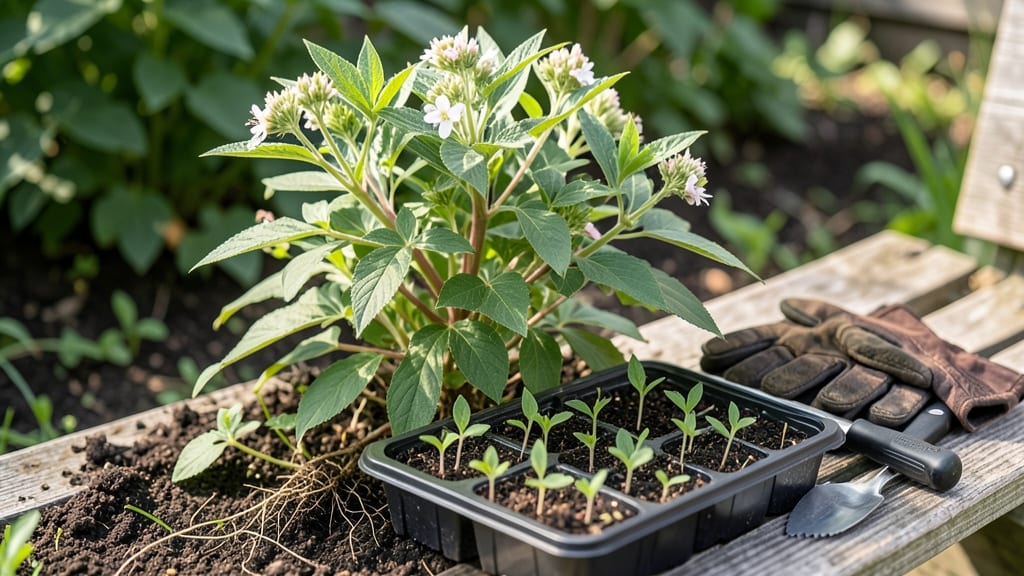
Planting buckwheat in Pennsylvania at the wrong time means missing out on its fast harvest potential—just 60-75 days from seed to table! This hardy annual thrives in PA’s 5b-7a zones, but getting the timing right is the key to avoiding weeds, frost damage, or wasted effort.
Most gardeners in Pennsylvania rush to plant too early, only to watch their buckwheat 🌾 get crowded out by weeds or bolt before harvest. The secret? Wait until soil temperatures hit 55°F+—typically late May to early June for spring plantings—or late August for a fall harvest.
This ensures your crop matures before the first frost (usually around October 15).
Whether you’re growing buckwheat for grain, a cover crop, or even as a pollinator magnet, precision timing makes all the difference.
I’ll break down the exact weeks before frost to plant for your specific PA zone, plus how to adjust for unpredictable weather patterns that can throw off even the best-laid plans.
Ready to grow buckwheat that’s ready to harvest in under three months? Let’s dive into the ideal planting schedule—and why a little patience now saves big headaches later.
Optimal buckwheat planting weeks before first frost in Pennsylvania
Pennsylvania’s diverse USDA zones 5b-7a create unique challenges for buckwheat growers. With its 50-75 day maturity window, timing is critical to avoid frost damage. The key is planting 6-8 weeks before your average first frost date, which typically falls between mid-September and early October across the state.
For Zone 6 (e.g., Harrisburg, Scranton), aim to plant between late May and early June to ensure harvest before frost. In Zone 7a (e.g., Philadelphia, Pittsburgh), you have slightly more flexibility with planting windows extending into mid-June. These adjustments account for PA’s 165-200 frost-free days annually.
Buckwheat’s fast growth rate makes it ideal for Pennsylvania’s short season, but precision matters. Planting too early risks weed competition, while late planting may result in immature crops when frost arrives.
Always check your local last frost date—typically around April 15—and plant 8-10 weeks after this date for optimal results.
Here’s how to calculate your exact planting window using Pennsylvania’s climate zones:
| Climate Zone | Planting Window | Weeks Before Frost | Average First Frost | Harvest Window |
|---|---|---|---|---|
| Zone 5b (Northeast PA) | Late May - Early June | 7-8 weeks | October 1-15 | Late July - Early September |
| Zone 6 (Central PA) | Late May - Early June | 6-7 weeks | October 10-20 | Mid-July - Mid-September |
| Zone 7a (Southeast PA) | Late May - Mid-June | 5-6 weeks | October 20-31 | Late July - Late September |
Adjust planting dates 1-2 weeks earlier for high-altitude areas or 1 week later for urban heat islands.
For gardeners in Zone 6, this means starting seeds indoors 4-6 weeks before your target outdoor planting date if you’re using transplants. However, buckwheat’s quick germination (5-10 days) makes direct sowing the preferred method. Always use well-drained soil with a pH between 6.0-7.5 for best results.
One often-overlooked strategy is successive planting in late summer. In Zone 7a, you can sow a second crop in early August for a fall harvest before the first frost. This works because buckwheat’s short maturity window allows it to complete its life cycle quickly, even in cooler temperatures.
Remember that Pennsylvania’s microclimates can shift planting windows by 1-2 weeks. South-facing slopes may allow for earlier planting, while valley areas might need delayed schedules. Always monitor soil temperatures—buckwheat won’t germinate well below 55°F—and use a soil thermometer for accuracy.
When calculating your planting schedule, factor in buckwheat’s dual-purpose nature. Whether you’re growing it for grain, honey production, or cover crop benefits, the timing remains consistent.
The key difference is harvest readiness: grain buckwheat needs 70-75 days, while cover crop varieties can be planted as late as early September for fall soil improvement.
For visual learners, here’s a quick reference for Pennsylvania’s optimal planting periods by region:
Pro tip: Use Pennsylvania’s agricultural extension service resources to find your exact first frost date. The Penn State Extension provides county-specific frost data that can refine your planting schedule by 3-5 days, making all the
How to adjust buckwheat planting for Pennsylvania’s unpredictable weather patterns
Pennsylvania’s weather is famously unpredictable—one week can bring warm sunshine, and the next, a surprise frost. For buckwheat, this variability means your planting schedule must be flexible. Unlike heat-loving crops, buckwheat thrives in cooler temperatures but bolts (prematurely flowers) if stressed by heat or drought.
Here’s how to adapt your planting to PA’s unpredictable spring and fall patterns.
The key is monitoring soil temperature and frost forecasts. Buckwheat seeds won’t sprout until the soil reaches 55°F (13°C), but waiting too long risks early frost cutting your crop short.
Use a soil thermometer to confirm readiness—especially in Zone 6 (Poconos, Northeast PA), where cool springs delay planting.
⚠️ Critical Warning for PA Gardeners
Late starts? If your spring planting window slips past May 15, switch to fall planting (August-September). Buckwheat tolerates cooler temps better than most grains, but avoid planting when nighttime temps drop below 45°F (7°C)—this slows germination.
Pro Tip: Check NOAA’s frost prediction maps 2 weeks before your target planting date. If a hard frost is forecasted 50-60 days after planting, delay by 1-2 weeks.
For Zone 7 (Central PA), where summers are longer, aim for late May to early June plantings. If you’re in Zone 5b (Northwest PA), prioritize late June plantings to avoid early bolting.
A trick I’ve used is to plant successive batches every 2 weeks—this spreads out your harvest and reduces risk from erratic weather.
Watch for heatwaves too. Buckwheat can handle 90°F (32°C) temps, but prolonged heat stresses plants, leading to premature seed formation. If your forecast shows 5+ days above 85°F (29°C), provide light shade cloth or opt for fall plantings instead.
Finally, mulch heavily after planting to stabilize soil temps. A 2-inch layer of straw keeps roots cool during heatwaves and insulates against late-season frosts. In my garden, this has extended my buckwheat’s growing window by 10-14 days—critical in PA’s short season.
⚠️ Backup Plan for Late Starts
If you miss the spring window, fall planting (August 15-September 15) is your safest bet. Choose fast-maturing varieties like ‘Tokachi’ (50 days) and plant in full sun with well-drained soil. Harvest before first frost—buckwheat’s seeds dry quickly, so you can even hang bundles indoors to finish ripening.
Remember, buckwheat’s 60-75 day maturity is flexible. In cooler PA summers, it may take 80 days to reach harvest. Adjust your planting date 1-2 weeks later if your area runs cooler than average.
And always keep an eye on the weather radar—PA’s microclimates mean your neighbor’s perfect planting window might not suit your garden.
🌾