
Plants
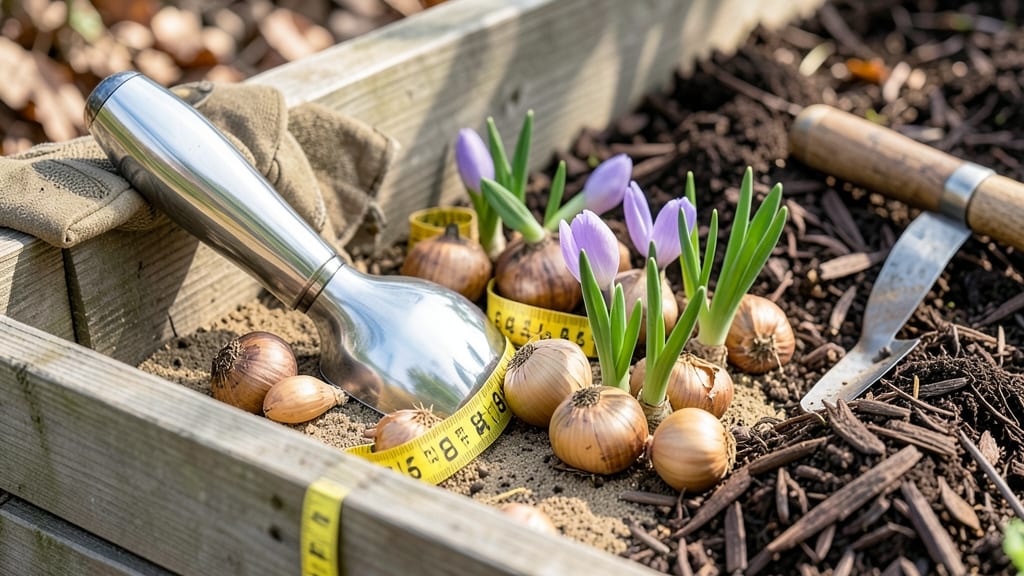
Denver’s frost dates: the critical window for planting spring-flowering bulbs
Denver’s high-altitude climate—USDA Zone 5b-6a—means frost can sneak in earlier or linger later than you’d expect. The average last frost date is around April 15, but soil temperature often stays cold longer.
For spring-flowering bulbs like tulips and daffodils, timing is everything: plant too early, and they’ll rot; too late, and they won’t bloom. The 6-8 week rule applies here—count back from your first frost date to determine your planting window.
Most Denver gardeners aim to plant spring bulbs between mid-September and mid-October. This gives roots time to establish before the ground freezes, typically around October 15. However, Denver’s microclimates (like warmer foothills vs. cooler city areas) can shift this window by 2-3 weeks.
Always check your specific location’s frost data—local weather stations or Denver Botanic Gardens’ resources are your best friends.
Here’s the kicker: soil temperature matters more than air temperature. Bulbs need the ground to be below 60°F (15°C) but not frozen. In Denver, this usually happens by early October.
Use a soil thermometer to confirm—don’t guess! Planting in warm soil can trigger premature sprouting, which is a one-way ticket to bulb death when frost hits.
Pro tip: If you’re in a higher-elevation area (like the foothills), plant bulbs 2-3 weeks earlier than the city. Conversely, if you’re in a low-lying urban heat island, you might have a week or two extra.
Adjust based on your yard’s microclimate—south-facing slopes warm up faster, while north-facing areas stay colder longer.
Denver’s alkaline soil (pH 7.4-8.4) can also affect bulb performance. Most spring bulbs prefer slightly acidic to neutral soil (pH 6.0-7.0). Amend your soil with compost or peat moss before planting to create the ideal environment.
This small step can mean the difference between vibrant blooms and stunted growth.
Don’t fall for the myth that you can plant bulbs “as late as possible”. While some hardy varieties (like crocus) might survive late planting, tulips and daffodils need that 6-8 week head start.
Waiting until November or December guarantees weak roots and poor blooms next spring. Mark your calendar now: aim for mid-October as your deadline.
| Factor | Denver Specification | Actionable Tip |
|---|---|---|
| Average Last Frost Date | April 15 | Plant bulbs 6-8 weeks before this date. |
| Ideal Planting Window | Mid-September to mid-October | Use a soil thermometer to confirm ground temps are <60°F. |
| Soil pH for Bulbs | 6.0-7.0 (alkaline soil common in Denver) | Amend with compost or peat moss before planting. |
| Microclimate Adjustments | Foothills: 2-3 weeks earlier; City: Standard | Observe your yard’s warmth patterns for 2-3 years. |
| Critical Deadline | Mid-October (before ground freezes) | Late planting = weak roots = poor blooms next spring. |
If you’re still unsure about your local frost dates, sign up for alerts from the National Weather Service or use apps like PlantNet, which provide hyper-local frost predictions.
These tools can give you a 3-5 day warning before a late frost hits, helping you adjust your planting schedule or protect vulnerable bulbs with row covers or mulch.
Remember: Denver’s late frosts (often in May!) can still damage emerging foliage. While the bulbs themselves are tough, the tender shoots that push through in spring are not.
That’s why choosing frost-resistant varieties (like daffodils or alliums) gives you an extra buffer. We’ll dive deeper into late-frost protection strategies in the next section.
Start your bulb planting journey on the right foot by testing your soil and marking your calendar for mid-September. With Denver’s climate, preparation is your best defense against missed blooms.
The effort now will pay off with a show-stopping spring display—just in time for Colorado’s famous sunny skies and mild temperatures.
Bulb-specific planting calendar for Denver gardens: what to plant when
Denver’s high-altitude climate and alkaline soil demand precise timing for bulb planting. Unlike coastal regions, Denver’s Zone 5b-6a means bulbs need to establish roots before the ground freezes—usually by mid-October. Here’s your month-by-month guide to planting bulbs for spring and summer blooms.
For spring-flowering bulbs like tulips, daffodils, and hyacinths, aim to plant between September 15 and October 15. This window ensures roots grow before winter dormancy. Crocus and snowdrops are hardier and can be planted as late as November 1, but they’ll bloom earlier if planted sooner.
| Bulb Type | Planting Month | Depth (inches) | Spacing (inches) | Denver Tip |
|---|---|---|---|---|
| Tulips | September-October | 6-8 | 4-6 | Plant early for longer stems |
| Daffodils | September-November | 6-8 | 3-6 | Thrive in Denver’s alkaline soil |
| Alliums | September-October | 6-8 | 6-8 | Late-spring blooms; deer-resistant |
| Crocus | September-November | 3-4 | 2-3 | First blooms of spring; cold-hardy |
| Summer-Blooming (Dahlia, Gladiolus) | April-May | 4-6 (tubers) | 6-12 | Wait until soil warms to 60°F |
For summer-blooming bulbs like dahlias and gladiolus, wait until April or May when soil temperatures rise above 60°F. These bulbs need warmth to sprout, so planting too early risks rot. In Denver, late April is ideal for tubers like dahlias, while gladiolus can handle slightly cooler soil.
Denver’s alkaline soil can stunt bulb growth, so amend planting holes with compost or peat moss to improve drainage. For longer-lasting blooms, plant bulbs in layers—larger bulbs first, smaller ones on top. This mimics natural forest conditions and ensures continuous color from early spring to late summer.
If you’re planting fall-blooming bulbs like fall crocus or autumn daffodils, aim for late summer (August). These varieties need time to establish roots before cooler temperatures arrive. Always water newly planted bulbs deeply once after planting to encourage root growth.
Pro tip: Mark your bulb beds with stakes or flags to avoid disturbing them during winter snow removal. Denver’s variable snowfall can shift soil, so a simple marker saves time and effort in spring.