
Plants
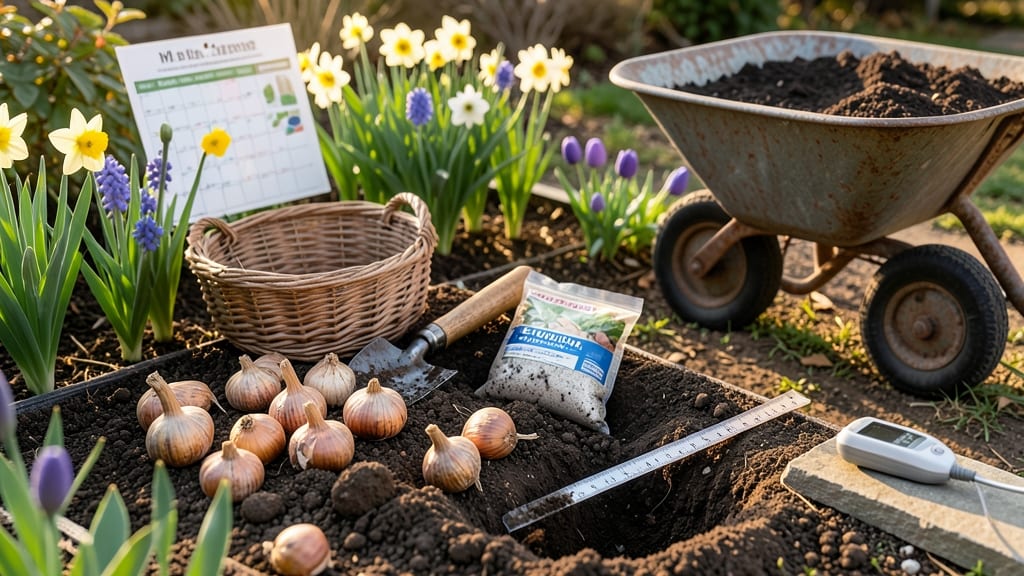
Timing your bulbs in New York planting window is the difference between a showstopping spring garden and a sad, sparse one. With New York’s 5b-7b climate zones throwing curveballs—like early freezes or mild winters—getting it wrong means weak blooms or no flowers at all.
I’ve planted 🌱 bulbs for years in the Empire State, and the secret isn’t just picking the right month—it’s reading your soil and local microclimates. Whether you’re in NYC’s heat island or Upstate’s cooler hills, the ideal window (September–November or March–April) shifts based on frost dates and bulb types.
Here’s what you’ll discover: the exact fall vs. spring planting timeline for tulips, daffodils, and more, plus how to prep soil and space bulbs for maximum impact. No more guesswork—just vibrant blooms year after year.
Let’s dive into the game-changer tips that’ll make your bulb garden thrive, no matter where in New York you’re gardening.
Best fall planting months for bulbs in New York (and why timing matters)
New York’s fall planting window is your golden opportunity to get bulbs established before winter. The key is planting 6-8 weeks before the ground freezes, typically between mid-September and mid-November. This timing lets roots grow while bulbs remain dormant through winter, ensuring strong blooms next spring.
For most of New York (USDA Zones 5b-7b), aim to plant by October 15th in upstate regions and November 1st in warmer NYC areas. Late plantings risk bulbs sprouting too early, which frost will kill. Use your last frost date (average April 15th) as a backward counter.
Soil temperature is critical. Bulbs need 60°F soil to start rooting. In late fall, soil cools rapidly—plant when daytime temps hover around 50-60°F and nights dip into the 40s. Use a soil thermometer to check before planting.
Here’s how New York’s regions differ:
| Region | Ideal Planting Window | Key Adjustments |
|---|---|---|
| Upstate NY (Zones 5b-6a) | Mid-Sept to Oct 15 | Plant earlier (Sept) for tulips; avoid late Nov due to early freezes. |
| NYC/Long Island (Zone 7b) | Late Sept to Nov 1 | Extend window slightly; mild winters allow later plantings. |
| Adirondacks/Catskills (Zone 5b) | Late Aug to Oct 1 | Start earlier; shorter growing season demands faster root establishment. |
Adjust for microclimates. Urban areas like Brooklyn or Queens stay warmer, while rural spots near lakes (e.g., Finger Lakes) freeze earlier. If your yard gets frost pockets, plant bulbs in well-draining soil on slopes or raised beds to prevent rot.
Prep soil by amending with compost or aged manure to improve drainage. Bulbs rot in soggy soil, so avoid low spots where water pools. A 2-inch layer of mulch after planting insulates roots and conserves moisture.
Don’t skip the depth rule: Plant bulbs 6-8 inches deep (2-3x their height). Deeper plantings prevent heaving in freeze-thaw cycles. Space smaller bulbs (e.g., crocus) 3-4 inches apart; larger ones (e.g., daffodils) need 6-8 inches.
After planting, water deeply to settle soil. Bulbs need consistent moisture for root growth but hate soggy conditions. Reduce watering as winter approaches—dormant bulbs store energy, not water.
Pro tip: Mark your bulb beds with stakes or flags to avoid disturbing them in spring. Some bulbs (like tulips) multiply over time, creating stunning naturalized drifts—but only if left undisturbed!
Spring planting for late bloomers: which bulbs can you still plant in NY?
Not all bulbs in New York need fall planting—some thrive when planted in spring. The key is choosing the right varieties and timing it perfectly. Spring planting works best for hardy bulbs like crocus, snowdrops, and grape hyacinths, which can tolerate cooler soils and even light frosts.
If you missed the fall planting window, don’t panic. These late bloomers will still give you stunning color, but they require soil prep and careful watering.
I’ve planted spring bulbs in my Upstate garden for years, and with the right approach, they perform just as well as their fall-planted cousins.
Here’s the catch: tulips and daffodils never succeed when planted in spring—they need that fall chilling period to bloom properly. But crocus, alliums, and muscari will reward you with cheerful blooms if you plant them in March or early April, just as the soil warms.
| Bulb Type | Spring Planting Window | Notes |
|---|---|---|
| Crocus | March–April | Early bloomers; tolerates cold soil |
| Snowdrops (Galanthus) | March–early April | Hardy; thrives in shade |
| Grape Hyacinth (Muscari) | March–April | Drought-tolerant; great for borders |
| Allium (Ornamental Onion) | April–May | Needs warmer soil; full sun |
| Tulips & Daffodils | ❌ Never | Require fall chilling; won’t bloom |
To prep your soil for spring-planted bulbs, work in compost or aged manure to improve drainage and fertility. Avoid heavy, clay soils—these bulbs hate soggy roots. Plant them at the same depth as their fall counterparts (2–3x bulb height) and space them according to their mature size.
Watering is critical in spring. Keep the soil consistently moist but not waterlogged for the first 4–6 weeks after planting. Once foliage appears, reduce watering slightly—overwatering can rot bulbs before they establish roots. Mulch with straw or shredded leaves to retain moisture and protect from late frosts.
Pro tip: If you’re planting in containers, use a well-draining mix with perlite or sand. Place pots in a sheltered spot if late frosts are expected, as container soils warm up faster and can stress young bulbs.