
Plants
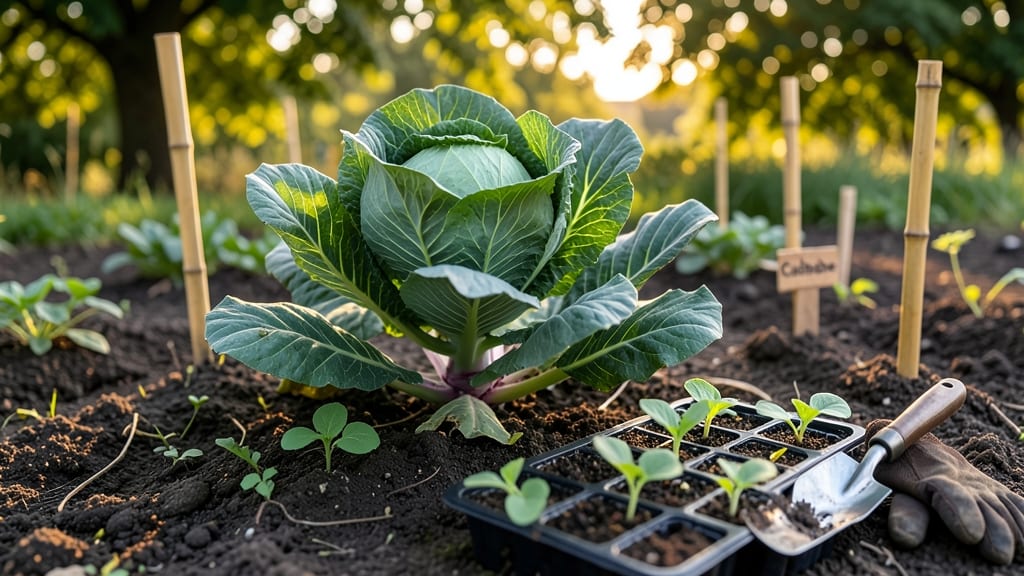
Timing your 🥬 cabbage planting in Utah is the difference between a thriving garden and a bolted disappointment. With USDA zones 5b-7b and microclimates ranging from the Wasatch Front to high desert, getting the window right means avoiding frost damage in spring or heat-induced bolting by summer.
Most Utah gardeners plant 🥬 cabbage twice a year—once in early spring and again in late summer—but the exact dates depend on your elevation. Planting 4-6 weeks before your last frost (typically mid-April in the Salt Lake Valley) gives seedlings enough time to establish before warmer weather arrives.
This guide breaks down the perfect planting schedule for your specific Utah zone, plus the best varieties to prevent bolting. Whether you're in zone 5b or 7b, we'll help you time it just right for a bold, crisp harvest—no guesswork, just results.
Ready to grow 🥬 cabbage that stays compact and delicious? Let's dive into the exact steps to make your Utah garden a cabbage-growing success.
Utah cabbage planting calendar: exact dates by microclimate
Utah’s diverse microclimates mean your cabbage planting window can vary by hundreds of miles. The Wasatch Front (Salt Lake City) has earlier frost dates than the Southern Desert (St. George), while high-elevation areas (Park City) face longer frost risks.
Here’s how to pinpoint your exact planting timeline based on Utah’s 3 key zones.
For Northern Mountains (USDA Zones 5b-6a), aim for March 15–April 15 for spring plantings. These areas often see late frosts until May 1–15, so transplant seedlings after soil temps hit 45°F. Fall plantings should start by August 1 to avoid early heat stress.
The Wasatch Front (Salt Lake Valley, Provo) has a 60-day window for spring plantings: March 1–April 10. This zone’s urban heat islands can push last frost dates to April 20, so adjust accordingly.
Fall plantings thrive from August 15–September 15, with harvests before first frost (October 15).
In the Southern Desert (USDA Zones 7a-8a), you can plant earlier—February 15–March 15 for spring—thanks to warmer soil temps. However, avoid planting after March 15 to prevent bolting from 90°F+ days. Fall plantings must start by September 1 to finish before first frost (November 15).
Pro tip: Check USU Extension’s frost maps for your exact location. Add 4–6 weeks to your last frost date to calculate your seedling transplant window. For example, if frost hits April 15, plant seedlings by March 1.
Soil temperature matters more than air temperature. Use a soil thermometer to confirm 45°F+ before planting. In high-desert areas, soil warms faster than in valleys, so adjust your planting date 1–2 weeks earlier.
For container gardening in Utah’s cities, start seeds indoors by February 1 and transplant after last frost. Containers heat up faster, so water daily and use lightweight potting mix to prevent bolting.
Remember: Cabbage bolting is your worst enemy. In Utah’s hot summers, even a few days above 85°F can trigger flowering. Choose heat-tolerant varieties and extend your season with row covers or drip irrigation.
How to time cabbage transplants for Utah’s unpredictable weather
Timing your cabbage transplants in Utah isn’t just about dates—it’s about soil temperature, frost predictions, and heat tolerance. Since Utah’s weather shifts rapidly, I’ve broken this into a 3-step process to ensure your seedlings thrive.
Start by checking your local frost dates from the USU Extension—these are your planting anchors.
First, calculate your transplant window by adding 4–6 weeks to your last frost date. For example, if frost typically ends April 15 in your area, plant seedlings by March 1.
This gives them time to establish roots before warmer weather arrives. Use a soil thermometer to confirm temps are 45°F+—cold soil stunts growth.
Next, harden off your seedlings 7–10 days before transplanting. Place them outside in partial shade for a few hours daily, gradually increasing exposure. This acclimates them to Utah’s dry winds and temperature swings. Skip this step, and your seedlings may bolt or wilt under stress.
- 📅 Step 1: Check USU Extension frost maps for your exact location. Add 4–6 weeks to your last frost date to set your transplant window.
- 🌱 Step 2: Start seeds indoors 6–8 weeks before your transplant date (e.g., January 15 for a March 1 transplant). Use seedling trays with well-draining mix.
- 🌡️ Step 3: Harden off seedlings 7–10 days before transplanting. Begin with 2 hours/day in partial shade, then increase to full sun.
- 🌱 Step 4: Transplant on a cloudy day or early morning. Space seedlings 18–24 inches apart in full sun.
- 💧 Step 5: Water deeply after transplanting to settle roots. Use mulch to retain moisture and regulate soil temp.
For Utah’s high-desert areas (like Moab or Price1–2 weeks earlier than valley zones. Desert soils warm faster and dry out quickly, so prioritize drip irrigation or soaker hoses. In container gardens, use 5-gallon pots with moisture-retentive mix to prevent bolting.
Watch for heat stress in July–August. If temps hit 90°F+, use shade cloth (30–50%) to protect plants. Varieties like ‘Red Express’ handle heat better than ‘Golden Acre’, but even heat-tolerant cabbage may bolt if stressed.
Monitor plants daily for yellowing leaves or loose heads—signs of bolting.
Finally, plan your fall crop by August 15 at the latest. Utah’s first frost typically hits October 15, so aim for a 70–90-day variety to harvest before cold sets in. Use row covers to extend the season by 2–3 weeks if needed.