Plants
Zone 7b cabbage planting calendar: exact weeks to avoid bolting
Zone 7b gardeners face a unique challenge: heat-induced bolting can turn your cabbage into bitter, seed-filled stalks if planted at the wrong time. The key is precision timing—planting when soil temps stay below 80°F and days are cool enough to prevent premature flowering.
For Zone 7b, this means two critical windows: early spring and late summer.
Your last frost date in Zone 7b typically falls around March 15, while the first frost arrives near November 15. These dates create a 180-day growing season, but cabbage needs 60-100 days to mature.
The trick? Plant early enough to harvest before summer’s heat triggers bolting, or start late enough to avoid spring’s unpredictable swings.
Here’s the exact math for success: subtract your cabbage’s days-to-maturity from your frost dates. For a 75-day variety (ideal for Zone 7b), plant 4-6 weeks before last frost (early March) or 8-10 weeks before first frost (early September).
Miss these windows, and you risk bitter, bolted cabbage—or worse, no harvest at all.
Zone 7b Cabbage Planting Timeline
| Planting Window | Exact Weeks Before Frost | Soil Temp Goal | Days to Maturity | Harvest Window |
|---|---|---|---|---|
| Early Spring | 4-6 weeks before last frost | 45-65°F | 60-75 days | Late May - June |
| Late Summer | 8-10 weeks before first frost | 55-70°F | 75-100 days | October - November |
| Microclimate Adjustments | ±1 week inland vs. coastal | N/A | N/A | Shift windows 1 week earlier inland |
Zone 7b’s microclimates can shift your planting windows by 1-2 weeks. Coastal areas stay cooler longer, while inland spots heat up faster. For example, Raleigh, NC (Zone 7b) can plant 2 weeks earlier than Atlanta, GA (also Zone 7b but hotter inland).
Check your local Cooperative Extension Service for hyper-local frost data.
Don’t overlook succession planting—this is your secret weapon against bolting. In Zone 7b, stagger weekly plantings every 2-3 weeks from March to early May. This ensures a continuous harvest while avoiding the heat spike that triggers bolting in July.
For fall, repeat the process from mid-August to early September.
Watch for heat stress signs: yellowing leaves, loose heads, or premature flowering stems. If you see these, harvest immediately or use shade cloth (30-50%) to buy time. Heat-tolerant varieties like ‘Cavalo’ or ‘Tendercrisp’ give you a 2-week buffer before bolting kicks in.
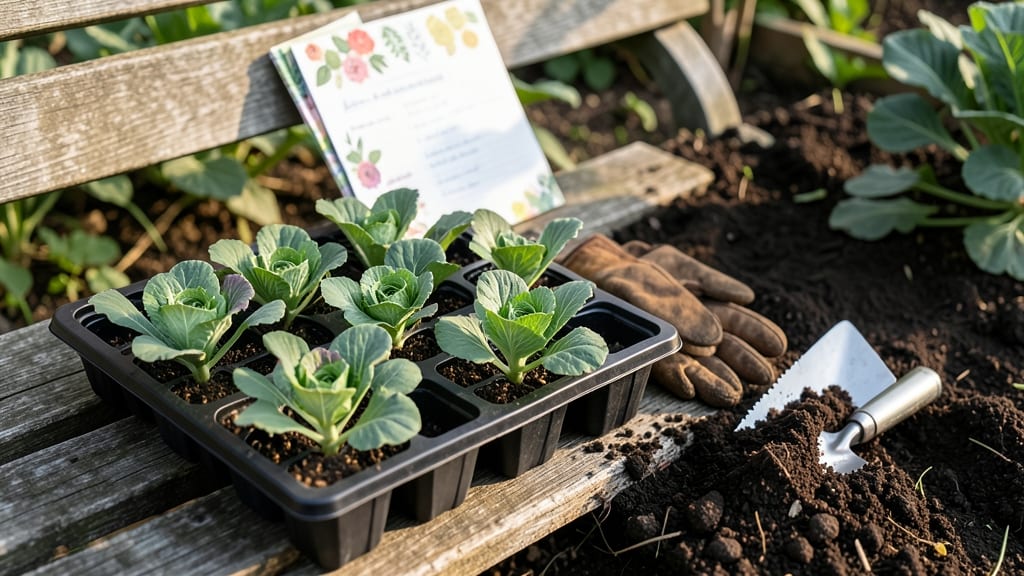
For container growers, Zone 7b’s shorter season means earlier starts indoors. Begin seeds 6-8 weeks before last frost under grow lights (14-16 hours/day). Transplant hardened-off seedlings 4-6 weeks before last frost—containers heat up faster, so monitor soil temps closely.
Remember: bolting isn’t just about heat. Stress from drought, poor soil, or crowding can also trigger it. Keep your cabbage well-watered (1-2 inches/week), mulched (2-3 inches), and 18-24 inches apart to prevent competition. A little extra care now means crisp, sweet cabbage later.
Your Zone 7b cabbage calendar should now look like this: March-April for spring, August-September for fall, with succession plantings in between. Stick to these windows, and you’ll avoid the heartbreak of bolting—gu
Zone 7b cabbage planting calendar: exact weeks to avoid bolting
Zone 7b’s 180 frost-free days and 90°F+ summer heat create a tight window for cabbage. Plant too early, and bolts send up bitter stalks. Too late, and heads never firm up before frost. The key? Temperature thresholds—cabbage thrives between 50°F-75°F and bolts above 80°F.
For spring planting, aim for 4-6 weeks before your last frost date (typically March 15 in Zone 7b). This gives plants 75 days to mature before summer heat triggers bolting.
For fall planting, seed 8-10 weeks before first frost (around August 15) to harvest before winter chills set in.
📅 Pro Tip: Use a planting calendar that accounts for your local microclimate—coastal areas may have 2-3 weeks longer before frost than inland spots.
| Season | Planting Window | Days to Maturity | Temperature Range | Risk Level |
|---|---|---|---|---|
| Spring | March 15–April 15 | 75–90 days | 50°F–75°F | Low (if planted early) |
| Fall | August 15–September 15 | 60–75 days | 60°F–70°F | Medium (heat stress risk) |
If you miss the ideal windows, don’t panic. Succession planting every 2 weeks in spring or 3 weeks in fall can stretch your harvest. Just adjust maturity timelines—shorter-day varieties (like ‘Golden Acre’) handle heat better than long-day types.
For inland Zone 7b, where summer heat hits 95°F, use shade cloth (30-50%) to keep soil temps below 80°F. Coastal gardeners can push fall planting 2 weeks later thanks to milder nights.
Bolting is preventable with precise timing. Track your local frost dates, and plant cabbage seedlings (not seeds) for faster, more reliable growth. 🌱