
Plants
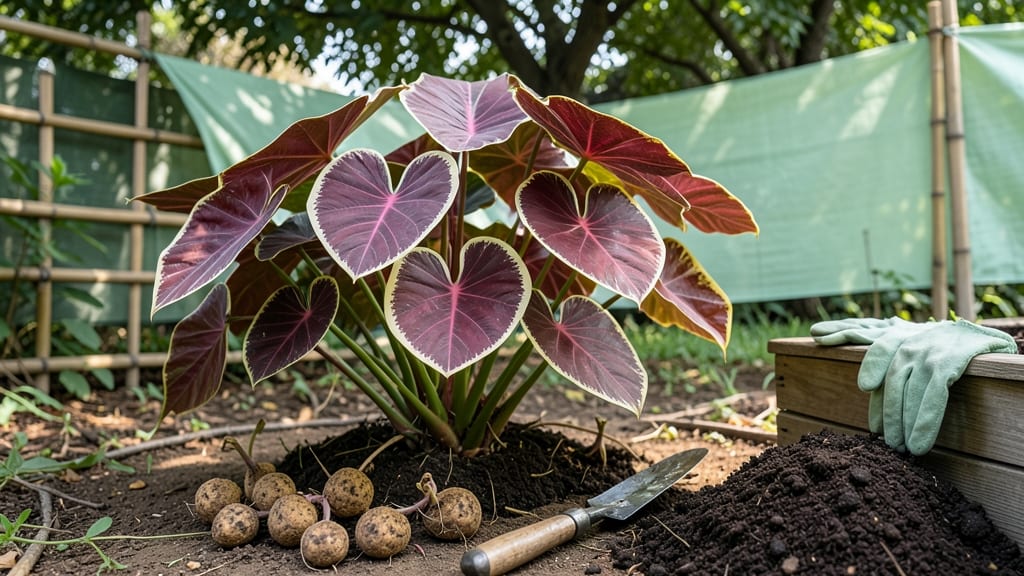
Knowing when to plant caladium bulbs in Texas can make the difference between show-stopping foliage and wilted disappointment. These heat-loving plants thrive in our 8a-11 zones, but timing is everything—plant too early, and they’ll crisp in the heat; too late, and you’ll miss their stunning displays entirely.
Texas gardeners face unique challenges with our variable frost dates and scorching summers. The ideal window—March through April—lets you beat the heat while ensuring roots establish before temperatures soar. But don’t stress if you’re in North Texas (where frosts linger later) or South Texas (where heat arrives early).
In this guide, I’ll break down the perfect schedule for your region, plus soil prep tips to keep your 🌿 caladiums lush all season. Whether you’re a first-timer or a seasoned gardener, these insights will help you grow vibrant, long-lasting foliage that stands up to Texas’s toughest conditions.
Ready to transform your garden? Let’s dive into the heat-tolerant planting schedule that works for Texas—no guesswork required.
Texas-specific caladium planting timeline: month-by-month heat tolerance guide
Caladiums thrive in Texas’s heat, but timing is critical to avoid heat shock or premature dormancy. Unlike northern states, Texas’s variable frost dates and intense summer heat demand a flexible schedule.
In North Texas (Zones 7b-8a), wait until mid-April after the last frost (typically February 15), while South Texas (Zones 9a-11) can plant as early as late February.
Your soil temperature is the ultimate guide—caladium bulbs need 65°F+ soil to sprout. Use a soil thermometer to confirm readiness. In Central Texas (Zones 8a-8b), aim for early April to align with warming trends.
Planting too soon risks rot from cold soil, while waiting too long may stunt growth before summer’s peak.
Here’s your region-specific planting calendar to maximize foliage vibrancy and heat tolerance:
| Region | Ideal Planting Window | Soil Temp Threshold | Key Risk | Pro Tip |
|---|---|---|---|---|
| North Texas (Zones 7b-8a) | Mid-April to early May | 65°F+ | Late frost damage | Mulch heavily to retain warmth |
| Central Texas (Zones 8a-8b) | Early April to late April | 60°F+ | Heat stress if planted late | Use shade cloth for young plants |
| South Texas (Zones 9a-11) | Late February to March | 65°F+ | Overheating in containers | Plant in afternoon shade |
| East Texas (Humid) | March to early April | 60°F+ | Fungal issues from humidity | Improve drainage with compost |
| West Texas (Dry) | Late April to May | 70°F+ | Drought stress | Mulch with straw, water deeply |
For container gardening in urban heat islands (like Austin or Dallas), plant 4-6 weeks earlier than ground planting. Containers heat up faster, so use black plastic pots to absorb sunlight and self-watering systems to prevent moisture loss.
In West Texas, delay until May to avoid 100°F+ soil temperatures that can cook the bulbs.
If you miss the spring window, fall planting is possible in North and Central Texas—aim for September to early October before soil cools below 60°F.
In South Texas, fall planting is risky due to early frost, but you can extend the season by overwintering bulbs indoors in pots.
Watch for heat stress signs like yellowing leaves or drooping foliage after planting. These indicate the bulbs are struggling with temperature shock. Move plants to shadier spots temporarily and increase watering frequency to every 3-4 days until they acclimate.
Mulching with 3-4 inches of organic matter helps regulate soil temperature and retain moisture.
Pro tip: Use a shade cloth (30-50% coverage) over newly planted caladiums for the first 2-3 weeks to ease them into Texas’s intense sunlight. This gradual hardening-off process prevents sunburn on delicate leaves. Pair this with morning watering to reduce evaporation and fungal risks.
Remember, caladiums are tropical plants at heart. They reward patience—planting at the right time ensures bold foliage that lasts from summer through fall. Skip the guesswork by aligning your schedule with local frost data and soil warmth, not just the calendar.
Texas-specific caladium planting timeline: month-by-month heat tolerance guide
Caladiums thrive in Texas’s heat, but timing is critical to avoid heat shock or stunted growth. Unlike northern states, Texas’s variable frost dates and intense summer sun demand precise scheduling.
Plant too early in North Texas, and bulbs may rot in lingering cold. Too late, and you’ll miss the peak foliage season before summer’s brutal heat sets in.
For North Texas (USDA Zones 8a-8b), aim for March 15–April 15 after the last frost (typically mid-February).
In Central Texas (Zones 8b-9a), extend your window to February 28–April 30, while South Texas (Zones 9b-11) gardeners can plant as early as February 1–March 15, avoiding late-winter cold snaps.
Texas’s microclimates create unique challenges. In East Texas, humidity and slower soil warming delay planting by 1–2 weeks compared to West Texas. Always check your local last frost date (use the Texas A&M AgriLife Extension map) and monitor soil temperature—caladiums need 60°F+ to thrive.
For summer planting (June–July), focus on shade-loving varieties like ‘White Queen’ or ‘Candidum’. These tolerate 90°F+ temps better than others, but mulch heavily to retain moisture. Avoid planting after August 15—new growth won’t establish before first frost in most regions.
Pro tip: Use a soil thermometer to confirm readiness. If soil temps dip below 55°F, wait 1–2 weeks—caladiums won’t sprout until conditions stabilize. In urban heat islands (like Dallas or Houston), plant 2 weeks earlier to counteract pavement heat.
Remember, caladiums are tender perennials—they won’t survive Texas winters outdoors. Dig up bulbs after first frost (typically November–December) and store them in dry peat moss at 60–65°F until next spring. This annual replanting ensures vibrant displays year after year.