Plants
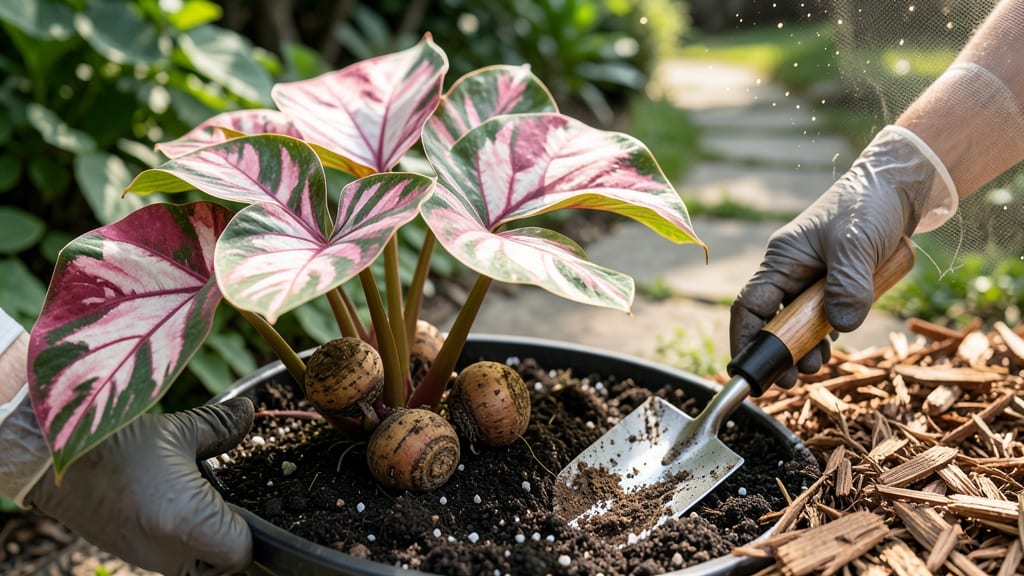
Timing your caladium planting in Texas could mean the difference between a showstopping garden and a sad, wilted disappointment. These stunning 🌿 caladiums thrive when planted just right—too early, and frost zaps their potential; too late, and Texas heat turns their leaves crispy before they even bloom.
If you're in USDA Zones 8a-11, you're lucky—caladiums love Texas's warm climate, but even here, regional differences matter. North Texas gardeners wait until mid-April, while South Texas can start as early as late February. The key? Planting after soil warms to 60°F and all frost risk vanishes.
I’ll break down the exact planting windows for your Texas heat zone, plus pro tips to avoid common mistakes like overwatering or planting too deep. Whether you're in Houston or El Paso, you’ll learn how to time it perfectly for vibrant foliage all summer long—without the stress.
Ready to transform your garden? Let’s dive into the science of caladium timing so your 🌿 plants put on their best show—and stay that way through the Texas heat.
Texas caladium planting timeline by heat zone (avoid frost & heat stress)
Texas spans USDA Zones 8a-11, meaning last frost dates vary wildly—from late February in North Texas to mid-January in South Texas. Planting caladiums too early risks frost damage, while waiting too long means missing their showy foliage all summer. Here’s your region-specific planting timeline to nail the perfect window.
Caladiums thrive in warm soil (60°F+) and humidity-rich conditions. In Texas, this typically aligns with March-April for most areas, but urban heat islands (like Houston) may allow February plantings, while high-desert regions (like El Paso) might need to wait until late April.
Use this heat-zone guide to adjust your planting date based on your Texas location. For example, North Texas (Zones 8a-8b) should aim for mid-April, while South Texas (Zones 9a-11) can plant as early as late February.
Always check your local last-frost date and add 2-3 weeks for soil warming.
If you’re planting in containers, you can start tubers indoors 4-6 weeks before your region’s last frost date. Place them in bright, indirect light and keep soil consistently moist. Harden off plants for 1 week before moving them outdoors to avoid transplant shock.
For direct soil planting, wait until nighttime temperatures stay above 55°F consistently. Use a soil thermometer to confirm 60°F+ soil temps at a 4-inch depth. Caladiums are sensitive to cold, so never plant before your region’s last frost date—even if the calendar suggests it’s safe.
In extreme heat zones (Zones 10-11), like South Texas, planting too early (before March) can stress tubers. Instead, focus on shade placement and consistent moisture to help them establish before summer’s peak. Mulch heavily to retain soil moisture and prevent heat stress.
Remember: Caladiums are tender perennials in Texas, meaning they’ll die back in winter. Dig up tubers before first frost (typically November-December in most regions) and store them in dry peat moss at 60-65°F until replanting the following spring.
For urban gardeners, microclimates matter. If your yard has microclimate pockets (like a north-facing wall that stays cooler), you might plant 1-2 weeks earlier there. Conversely, south-facing areas may need a delayed planting to avoid heat stress.
🌿
Signs your Texas soil is ready for caladiums (beyond the calendar)
Texas’ unpredictable weather means relying solely on last frost dates can backfire. Instead, watch for these soil and climate cues to time your caladium planting perfectly—even if it’s earlier or later than the "ideal" window. These signs ensure your tubers thrive from day one.
First, check soil temperature with a thermometer. Caladiums need soil that’s warmed to at least 60°F (15°C). Stick the probe 2-3 inches deep in your garden bed—if it’s cooler, wait. Cold soil stresses tubers and delays growth, leaving you with sparse foliage all summer.
🌱 Key Soil Readiness Signs
- Soil temp: ≥60°F (15°C) at 2" depth
- Moisture: Damp but not soggy (squeeze a handful—water drips but doesn’t pool)
- Humidity: Morning dew persists (sign of high humidity, ideal for caladiums)
- Shade: Dappled light (e.g., under oak trees or near fences)
Next, observe local humidity levels. Caladiums love moisture in the air—if your area is experiencing morning dew that lingers until midday, your soil’s ready. Use a hygrometer if needed; aim for 50-70% humidity. Low humidity? Plant in containers with saucers filled with pebbles and water.
Don’t ignore shade patterns either. Caladiums burn in direct Texas sun, so test your spot by placing a white sheet on the ground for an hour. If it’s hotter than 85°F (29°C), your caladiums will scorch.
Ideal spots include east-facing beds or areas under partial shade trees (like crape myrtles or pecans).
Finally, time your planting with rainfall forecasts. Aim to plant 1-2 weeks before your area’s next predicted downpour. This gives tubers time to root before heavy watering begins. Check the National Weather Service for 10-day outlooks—this small adjustment prevents waterlogged soil, a common killer of caladiums in Texas.
Pro tip: In South Texas (Zones 9-11), where frost is rare, plant as early as late February if soil temps hit 60°F. In North Texas (Zones 7-8), wait until mid-April to avoid late-spring heatwaves. Always err on the side of warmth—caladiums recover better from heat than from cold.