
Plants
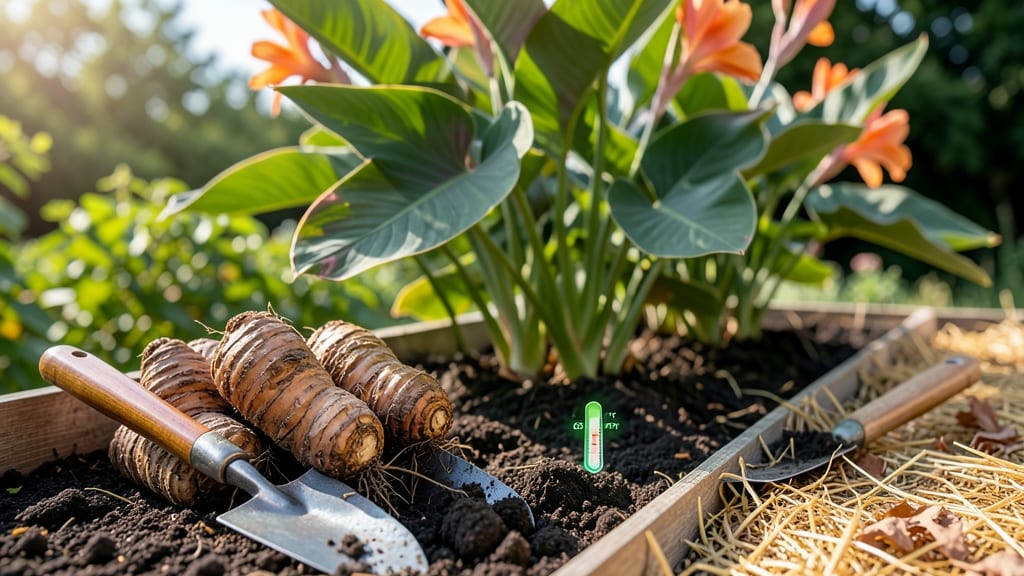
If you’ve ever dreamed of growing stunning tropical blooms like the Canna Lily 🌺 in your Illinois garden, timing is the single most important factor—plant too early, and frost will ruin your bulbs; too late, and your plants may never reach their full glory.
For Illinois gardeners in USDA Zones 5-6, the perfect window is late April through mid-May, once the soil warms to at least 60°F and the threat of frost has passed.
But with Illinois’ unpredictable springs, knowing exactly when to plant can mean the difference between a breathtaking summer display and wasted effort.
In this guide, I’ll break down the exact frost-free timeline for your zone, share pro tips to extend the growing season, and help you avoid common mistakes that trip up even experienced gardeners.
Whether you’re a first-timer or a seasoned grower, you’ll learn how to give your Canna Lily 🌺 the best possible start.
Ready to transform your garden into a vibrant, low-maintenance paradise? Let’s get those bulbs in the ground at the right time—and watch them thrive all season long.
Illinois frost-free dates by USDA Zone: when to plant canna bulbs safely
Canna lilies thrive in Illinois’ warm summers, but their tropical roots demand precise timing—plant too early and you risk frost damage, too late and your blooms may never appear. Illinois spans USDA zones 5a through 8b, with frost-free dates varying by 10-14 days from northern to southern regions.
For example, Chicago’s Zone 5b typically sees its last frost around April 25, while St. Louis in Zone 6a warms up by April 15.
Canna bulbs need soil temperatures of at least 60°F (15°C) to sprout consistently. In cooler zones, this often aligns with mid-to-late May, while southern Illinois gardeners can plant as early as April 15.
The key is waiting until nighttime temperatures stay above 50°F (10°C)—a critical threshold for canna survival.
Your planting window also depends on the canna variety. Early bloomers like ‘Striped’ cannas (USDA 7-10) tolerate slightly cooler soils and can go in as early as April 20 in southern Illinois.
Hardier varieties like ‘Wyoming’ (USDA 5-9) may need to wait until May 1 in northern zones to avoid stunted growth.
Microclimates add another layer of complexity. Urban areas like Chicago often experience 2-3°F warmer nights than rural zones due to the "heat island" effect. If you’re in a city, you might safely plant 7-10 days earlier than official frost dates suggest.
Conversely, low-lying areas or valleys can stay colder for weeks—monitor local weather stations for real-time updates.
To refine your timing, use a soil thermometer—stick it 2 inches deep in your garden bed for 3 consecutive days. If readings stay above 60°F during the day and 55°F at night, it’s safe to plant.
In cooler zones, consider black plastic mulch laid 2 weeks before planting to warm the soil by 5–10°F.
Pro tip: In Zone 5-6, plant canna bulbs in containers filled with potting mix and keep them near a south-facing wall. Once nighttime temps consistently stay above 55°F, transplant them outdoors for a 2-week head start. This trick extends your growing season by 3–4 weeks.
Remember, cannas are not winter-hardy in Illinois—treat them as annuals or dig up tubers before the first frost (typically October 15 in northern zones). If you’re ambitious, store bulbs in a cool, dry place (like a garage) and replant next spring for a tropical splash year after year.
For a foolproof method, set a calendar reminder for May 1—this covers 90% of Illinois and ensures you’re planting after the last frost in most areas.
Pair this with a frost watch app (like Farmer’s Almanac) for real-time alerts, and your cannas will reward you with bold blooms by July.
🌺
Signs your canna bulbs are ready to plant (and common mistakes to avoid)
Canna bulbs in Illinois demand patience—planting too early risks rot from cold soil, while waiting too long can stunt your tropical blooms. The key is checking three critical readiness signs before digging into the dirt.
First, examine the bulb’s physical condition: healthy tubers should feel firm yet slightly springy, not mushy or hollow.
Next, test your soil temperature using a soil thermometer—55–65°F is the sweet spot for canna roots to establish. Stick the probe 2–3 inches deep in your garden bed; if it’s cooler, wait a few more days.
Pro tip: Early morning is the best time to check, as temps drop overnight.
Finally, look for sprout emergence—tiny green shoots poking through the bulb’s eye signal it’s eager to grow. If you’re planting dormant bulbs, wait until you see these 1/4-inch sprouts before planting. This usually happens 4–6 weeks after indoor storage if you’ve been keeping them in a cool, dark place.
- Planting too early: Cold soil (<50°F) causes rot—wait for consistent 60°F+ temps.
- Overcrowding bulbs: Space them 12–18 inches apart for proper airflow.
- Skipping soil prep: Amend with compost and sand to prevent waterlogging.
- Planting depth errors: 2–4 inches deep is ideal; deeper = slower emergence.
One of the biggest mistakes Illinois gardeners make is ignoring microclimates. A south-facing bed warms up faster than a north-facing one, so adjust your planting timeline accordingly.
For example, Chicago’s Zone 5b may need to wait until May 15, while Southern Illinois’ Zone 7a can plant as early as April 20.
If your bulbs show signs of premature sprouting indoors, they’re ready to plant even if the soil isn’t fully warmed. Simply plant them slightly deeper (3–4 inches) to protect the emerging shoots.
For outdoor-grown tubers, dig them up in early spring and store them in a cool, dark place until you’re ready to plant.
Remember: Canna bulbs are not frost-hardy—even a light freeze will damage them. If you’re unsure about your local frost date, use a frost-free date calculator (like the Old Farmer’s Almanac) and add 2–3 weeks to your planting timeline for safety.