
Plants
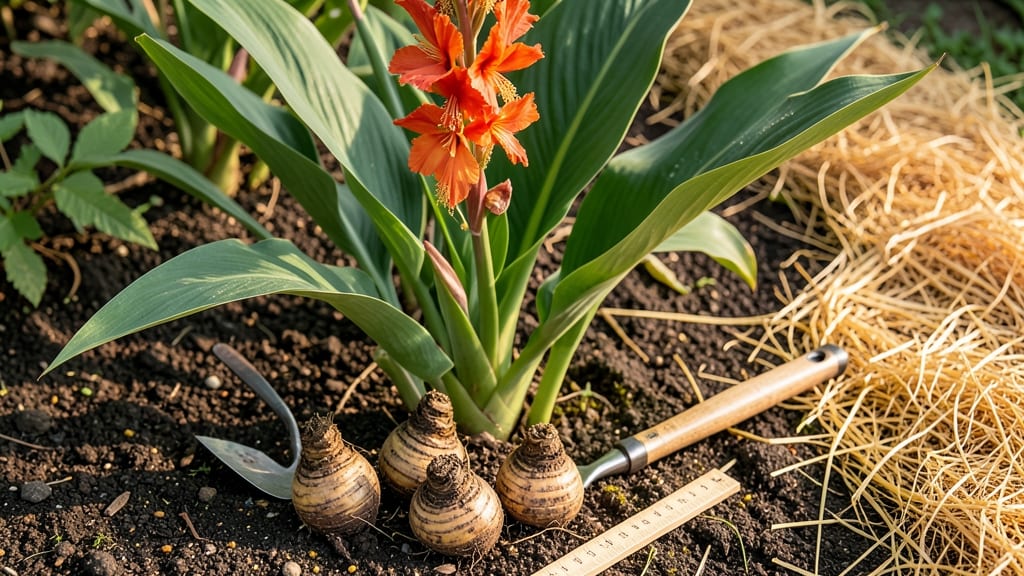
Planting canna bulbs in Michigan isn’t just about waiting for spring—it’s about catching that narrow window between frost and summer heat where these tropical beauties 🌺 truly thrive.
In zones 5b-6a, timing matters more than you’d think: plant too early, and frost will fry your bulbs; too late, and you’ll miss the 120-day growing season needed for those show-stopping blooms.
Most Michigan gardeners assume cannas are annuals, but with the right strategy—like mulching or container growing—you can treat them as perennials and enjoy their dramatic foliage year after year.
The key is knowing when the soil warms to at least 60°F, usually mid-to-late spring, after your last frost date (which can vary wildly from mid-April in southern Michigan to early May in the north).
I’ll break down the exact frost-free timeline for your zone, plus how to prep your soil and spot the 5 critical signs it’s finally safe to plant.
Whether you’re a first-timer or a seasoned gardener, these tips will help you avoid common mistakes and get your cannas off to a bloom-ready start.
Ready to transform your garden into a lush, tropical oasis? Let’s dive into the step-by-step guide tailored just for Michigan’s climate—so you can enjoy cannas that grow tall, thrive hard, and put on a show all summer long.
Michigan canna bulb planting timeline: exact dates by USDA Zone 5b-6a
Planting canna bulbs in Michigan requires precision—these tropical beauties thrive only when soil temperatures stay above 60°F and frost risks vanish. In USDA Zones 5b-6a, your planting window hinges on last frost dates, which vary 1-2 weeks between northern and southern Michigan.
For Zone 5b (northern), aim for May 15-30, while Zone 6a (southern) gardeners can start April 20-May 15.
Michigan’s unpredictable spring weather means waiting for three consecutive frost-free nights is safer than guessing. Check your local Michigan State University Extension frost maps for real-time updates—some years, late-May frosts can still occur. Container gardeners gain flexibility: they can plant 2-4 weeks earlier since pots warm faster than soil.
Canna bulbs need well-draining soil and full sun exposure (6+ hours daily) to flourish. In Michigan’s short growing season, early planting maximizes bloom time. For maximum height (4-6 ft), plant bulbs 2-4 inches deep and space them 18-24 inches apart—this prevents overcrowding and fungal issues.
🌱 Michigan Canna Planting Timeline by Zone
| Zone | Last Frost Date | Ideal Planting Window | Soil Temp Threshold | Backup Date (Late Spring) |
|---|---|---|---|---|
| 5b (Northern MI) | May 1-15 | May 15-30 | 60°F+ | June 10 |
| 6a (Southern MI) | April 15-30 | April 20-May 15 | 60°F+ | May 20 |
| Containers (Any Zone) | April 1-May 15 | April 15-May 1 | 55°F+ | May 15 |
⚠️ Pro Tip: Use a soil thermometer to confirm temps—cannas won’t sprout below 60°F.
If you’re eager to extend your canna season, start bulbs indoors 4-6 weeks before your target outdoor date. Use biodegradable pots to transplant seedlings without disturbing roots. For Michigan’s shorter summers, prioritize early-blooming varieties like ‘Striped’ or ‘Wyoming’, which mature faster than tropical hybrids.
Post-planting, mulch with straw or shredded leaves to retain soil warmth and suppress weeds. In Zone 5b, add a lightweight row cover for early starts—just remove it once shoots emerge to avoid overheating. Water deeply (1-2 inches per week) but avoid soggy soil, which invites root rot.
For container growers, use fast-draining mixes with perlite and plant bulbs in 10+ gallon pots. Place containers in south-facing spots or near patio heaters to mimic Michigan’s short sun windows. Move pots indoors before first frost (mid-October) to salvage rhizomes for next year.
Remember: Cannas are not winter-hardy in Michigan—they die back with frost but can be dug up and stored for replanting. Mark your calendar for late October harvest before hard frosts kill foliage.
With the right timing, your Michigan garden can burst with vibrant canna blooms from July through September! 🌺
5 Critical signs your Michigan soil is ready for canna bulbs (and when to wait)
Waiting for the perfect moment to plant your canna bulbs in Michigan isn’t just about checking a calendar—it’s about reading your soil and climate. Cold soil can stunt growth, while rushing too early risks frost damage.
Here’s how to tell when your Michigan garden is truly ready for these tropical beauties.
First, monitor soil temperature—cannas thrive when it reaches at least 60°F (15°C). Use a soil thermometer or watch for dandelions blooming, a natural indicator of warming soil.
In Michigan’s USDA Zone 5b-6a, this typically aligns with late May to early June, but late springs can push it to June 10-15.
🌱 5 Critical Signs Your Soil Is Ready
- Soil temp: 60°F+ (use thermometer)
- Dandelions: Fully blooming in your yard
- Neighbor plants: Peonies or daylilies sprouting
- Frost risk: 0% chance of frost (check Michigan State University alerts)
- Moisture: Soil drains well after rain (no standing water)
Next, observe your neighboring perennials. If peonies or daylilies are already showing new growth, your cannas are likely safe to plant. These hardy plants act as living frost gauges—when they’re up, your canna rhizomes can follow 1-2 weeks later.
For container gardeners, warm soil is trickier to achieve. Place pots on black plastic mulch or use heat mats to accelerate warming. If you’re still unsure, opt for early June planting—it’s better to wait than risk losing your investment to a surprise frost.
Finally, check the Michigan State University frost forecast. Even if your soil is warm, a late frost can sneak in. Aim for planting when the 10-day outlook shows 0% frost risk. Pro tip: Mulch heavily after planting to insulate roots and extend the growing season.
Remember, cannas are tender perennials in Michigan—they’ll die back in winter but return if you dig and store rhizomes indoors. The key is planting at the right time to give them 120+ frost-free days to flourish. Don’t rush—patience now means vibrant blooms later! 🌺