
Plants
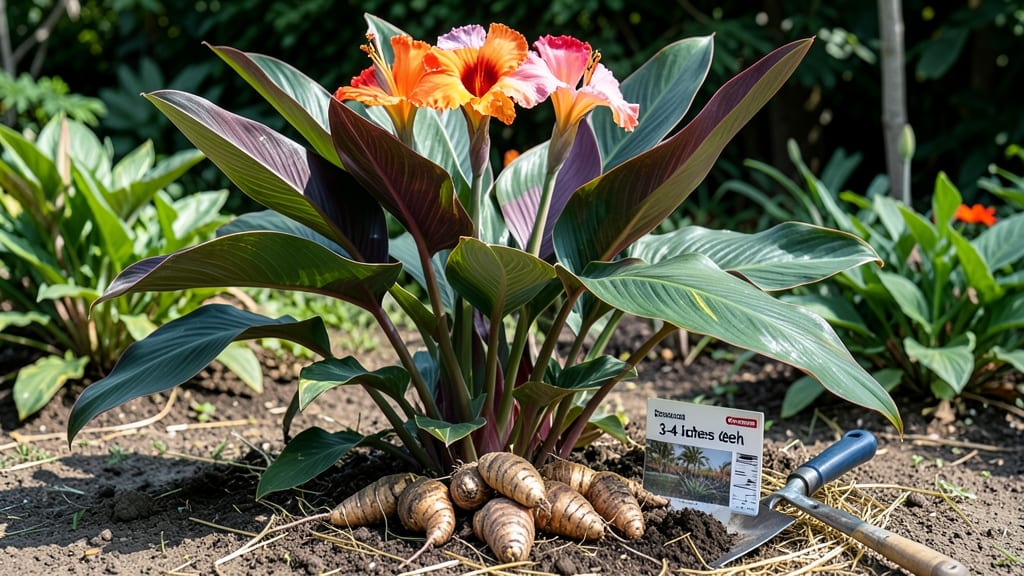
Timing your canna bulbs planting in Nebraska isn’t just about the calendar—it’s about surviving the 5a-6b zone’s unpredictable swings from frost to heat.
Plant too early, and those vibrant 🌺 cannas will meet their match in late spring freezes; too late, and you’ll miss the 120-day growing window needed for those showstopping blooms.
Most Nebraska gardeners wait until after the last frost—typically mid-April in Lincoln or late April in Omaha—but soil temperature matters more. Those rhizomes need warmth, ideally 60°F+, to wake up and grow. That’s why even if frost risk drops, cold soil can stall your cannas for weeks.
Here’s the game-changer: late May to early June is your sweet spot in most of the state. This window balances frost risk, soil warmth, and summer’s heatwave prep.
Whether you’re digging in Zone 5b’s cooler pockets or Zone 6a’s warmer stretches, we’ll break down exactly when to plant—and how to give your cannas the best shot at a 6-foot-tall summer display.
Ready to turn your garden into a canna paradise? Let’s dive into the frost-free window that’ll make your neighbors green with envy.
Optimal planting dates for canna bulbs in Nebraska zones 5b-6a
Nebraska’s variable climate means canna bulbs must be planted at the perfect moment—too early and frost zaps their growth; too late and you miss summer blooms. The key is waiting until after the last frost (typically mid-April in most areas) and when soil temperatures hit 60°F+.
In Zone 5b (Omaha, Lincoln), aim for late May, while Zone 6a (southeastern NE) can start as early as early May.
Canna bulbs (rhizomes) thrive in warm soil, so rush planting can stunt growth. Use a soil thermometer to confirm 60°F+—this usually aligns with late spring in Nebraska.
If your area experiences late frosts (like rural western NE), wait until June 1 to be safe. Heatwaves can also stress newly planted bulbs, so avoid planting during 90°F+ spells.
For container gardening, you can plant 2-4 weeks earlier since pots warm faster. Fill containers with well-draining mix and place them in a sunny, sheltered spot to accelerate soil warming. This trick works well for Omaha gardeners with shorter growing seasons.
Here’s a quick city-specific guide for Nebraska:
- Omaha (Zone 5b): Wait until May 15–June 1
- Lincoln (Zone 5b-6a): Plant by May 1–May 15
- Kearney (Zone 6a): Start as early as April 20–May 1
- Rural western NE (Zone 5a): Delay until June 1 or later
🌱 Canna Planting Timeline for Nebraska
| Stage | Action | Notes |
|---|---|---|
| Soil Prep | Test soil temp (60°F+) | Use a thermometer; amend with compost |
| Planting Window | Late May–Early June | Zone 5b: May 15–June 1; Zone 6a: April 20–May 15 |
| Depth | 2–4 inches deep | Pointy end up; space 12–18" apart |
| First Blooms | 8–10 weeks after planting | Full sun (6+ hours) accelerates blooming |
| Frost Prep | Dig up rhizomes by Oct 15 | Store in dry peat moss; cannas are not frost-hardy |
If you’re starting indoors, begin rhizomes in biodegradable pots 6–8 weeks before the last frost. Place them near a south-facing window or under grow lights to mimic Nebraska’s late spring sun. Transplant outdoors once soil is warm and all frost risk has passed.
For urban gardeners in Omaha or Lincoln, consider microclimates. South-facing walls or rooftop gardens can add 2–3 weeks to your growing season. Use reflective mulch (like silver plastic) to warm soil faster in cooler areas.
Pro tip: Mark your calendar for June 15—this is the absolute latest you should plant cannas in Nebraska’s Zone 5b. After this date, bulbs may not establish roots before fall frosts (mid-October). If you miss the window, opt for container growing to extend the season.
Remember, cannas are tender perennials—they cannot survive Nebraska winters outdoors. Plan to dig up rhizomes before the first frost and store them in a cool, dry place until next spring. This annual cycle ensures you’ll have vibrant blooms year after year without risking frost damage.
🌺 For maximum blooms, pair your planting date with regular fertilization (every 4–6 weeks) and deep watering (1–2 inches per week). With the right timing, your cannas will reward you with tropical-looking foliage and stunning flowers from July through October.
Signs your Nebraska soil is ready for canna bulbs (and what to do if it’s not)
Canna bulbs (or rhizomes) thrive when your Nebraska soil hits 60°F or warmer—any cooler, and they’ll rot before sprouting. Test your soil with a simple thermometer probe 2-3 inches deep. If it’s still chilly in May, don’t panic—there are ways to create the perfect conditions for your cannas!
Look for these three key signs your soil is ready: warmth, moisture, and drainage. Cold, soggy soil is a recipe for failure, but with a few adjustments, you can trick your cannas into thinking it’s summer.
Let’s break down what to check and how to fix common issues.
| Soil Condition | Ideal Signs | What to Do If Not Ready |
|---|---|---|
| Temperature | 60°F+ at 2" depth | Wait 1-2 weeks or use black plastic mulch |
| Moisture | Damp but not waterlogged | Amend with compost or plant in raised beds |
| Drainage | Water drains within 2 hours | Add perlite/sand or plant in containers |
If your soil is still too cold, consider container planting—it warms up faster than in-ground beds. Fill pots with a mix of potting soil and compost, place them in a sunny spot, and your cannas will thank you with faster growth.
Just ensure containers have drainage holes to prevent root rot.
For gardeners in Zone 5b, where frosts linger longer, use row covers or frost blankets after planting to protect young shoots. These lightweight covers trap heat during the day and shield plants from late frosts. Remove them once daytime temps consistently stay above 55°F.
Another trick? Plant canna bulbs shallowly (2-3 inches deep) in well-warmed soil. Deeper planting delays sprouting, while shallower depths encourage faster emergence. Pair this with a 2-inch layer of straw mulch to insulate the soil and retain moisture—critical for Nebraska’s dry spells.
Remember, cannas are tender perennials in Nebraska—they’ll die back with frost, so treat them as annuals or dig up rhizomes before the first frost in October. With the right soil prep, though, you’ll enjoy their dramatic blooms from July through September! 🌺