Plants
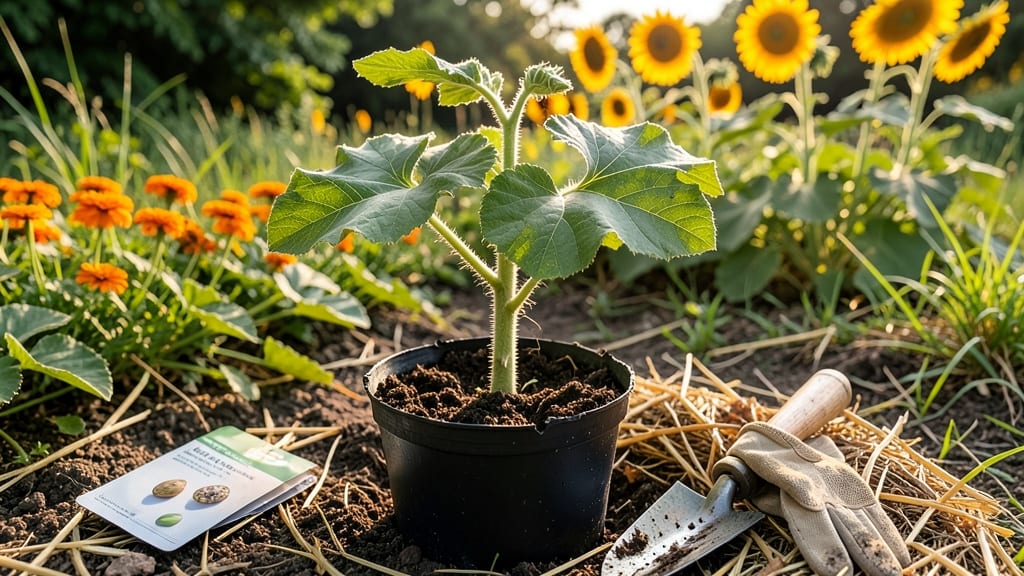
Georgia’s ideal cantaloupe planting timeline by soil temperature
Cantaloupes are heat-loving annuals that refuse to thrive in cold soil. In Georgia’s USDA zones 7a–8b, the difference between a bountiful harvest and a failed patch often comes down to soil temperature—not just air temperature.
The magic number? 70°F (21°C) minimum for germination, with ideal conditions between 75–90°F (24–32°C) for vigorous growth.
Most Georgia gardeners wait until mid-April to early May to plant cantaloupes, but this varies by region. Northern Georgia (zone 7a) may need to wait until late April or early May, while Southern Georgia (zone 8b) can start as early as mid-March in protected microclimates.
Always check your local last frost date—Atlanta’s average last frost is March 15, but Savannah’s is February 15.
Here’s the critical rule: Never plant cantaloupe seeds until the soil has warmed to 70°F+ for 5+ consecutive days. Cold soil causes seeds to rot or fail to sprout.
Use a soil thermometer ($10–$15 at garden centers) to monitor temperatures at a 4-inch depth, where roots will grow.
If you’re eager to get a jumpstart, start seeds indoors 3–4 weeks before your target outdoor planting date. Use biodegradable pots to avoid transplant shock, and harden off seedlings by placing them outdoors for 2–3 hours daily in the week leading up to transplanting.
Georgia’s humid summers mean cantaloupes need well-draining soil—amend heavy clay with compost or sand to prevent root rot.
Pro tip: Plant cantaloupes on black plastic mulch to warm the soil faster and suppress weeds. Lay the plastic down 2–3 weeks before planting to let it heat up. This trick can shave 1–2 weeks off your growing season in cooler zones like North Georgia.
Watch for false starts—Georgia’s spring weather can swing wildly. If nighttime temperatures dip below 50°F (10°C), cover young plants with frost blankets or row covers. Cantaloupes are sensitive to cold stress, and even brief chills can stunt growth or cause blossom-end rot.
For maximum yield, aim to have cantaloupes flowering by late May. This gives vines enough time to mature before Georgia’s summer heat peaks in July and August. Varieties like ‘Athena’ (disease-resistant) or ‘Hale’s Best’ (classic sweetness) perform exceptionally well in Georgia’s climate.
Remember: Patience is key. Rushing planting because of eagerness often backfires. Use these soil temperature guidelines to align your planting with Georgia’s natural rhythms—and you’ll be rewarded with juicy, homegrown cantaloupes by midsummer. 🍉
Rainfall and mulching strategies to maximize cantaloupe yields in Georgia
Georgia’s spring showers can be a double-edged sword for cantaloupe—too much rain drowns seeds, while too little causes poor fruit development. The key is adjusting planting schedules based on rainfall forecasts and using mulching techniques to retain moisture.
Aim to plant when the 7-day forecast predicts 1-2 inches of rain per week, avoiding heavy downpours that saturate clay-heavy soils.
For drought-resistant varieties like ‘Athena’ or ‘Hale’s Best,’ consider planting in early May when rainfall typically tapers off. These varieties handle Georgia’s clay-heavy soils better than standard types, reducing the risk of rot. Always check the National Weather Service for localized alerts before sowing.
💧 Mulching Strategies for Georgia Cantaloupe
Straw Mulch
Retains moisture, suppresses weeds, and improves soil as it decomposes.
✅ Best for: Well-draining soils
Black Plastic Mulch
Warms soil faster, reduces weeds, and speeds up germination.
✅ Best for: Heavy clay soils
If you’re planting in April, prioritize black plastic mulch to accelerate soil warming. Lay it down 2 weeks before planting to create a 70°F+ microclimate for seeds. For May plantings, switch to straw mulch to prevent overheating during Georgia’s peak summer heat.
Watering strategies must adapt to rainfall patterns. After planting, water deeply every 2-3 days until vines establish. Once flowers appear, increase frequency to daily watering during dry spells. Use a drip irrigation system to deliver water directly to roots, avoiding wetting leaves—which can spread fungal diseases in Georgia’s humid climate.
For container-grown cantaloupes, monitor soil moisture daily. Potted plants dry out faster, so adjust watering to every 1-2 days in summer. Add compost tea to water every 2 weeks to boost nutrient uptake, especially in Georgia’s nutrient-poor clay soils.
Finally, avoid overwatering—yellowing leaves or blossom-end rot are red flags. Cantaloupes thrive on consistent moisture, not soggy soil. If your forecast predicts heavy rains, delay planting by 1-2 weeks to let soils dry slightly.