
Plants
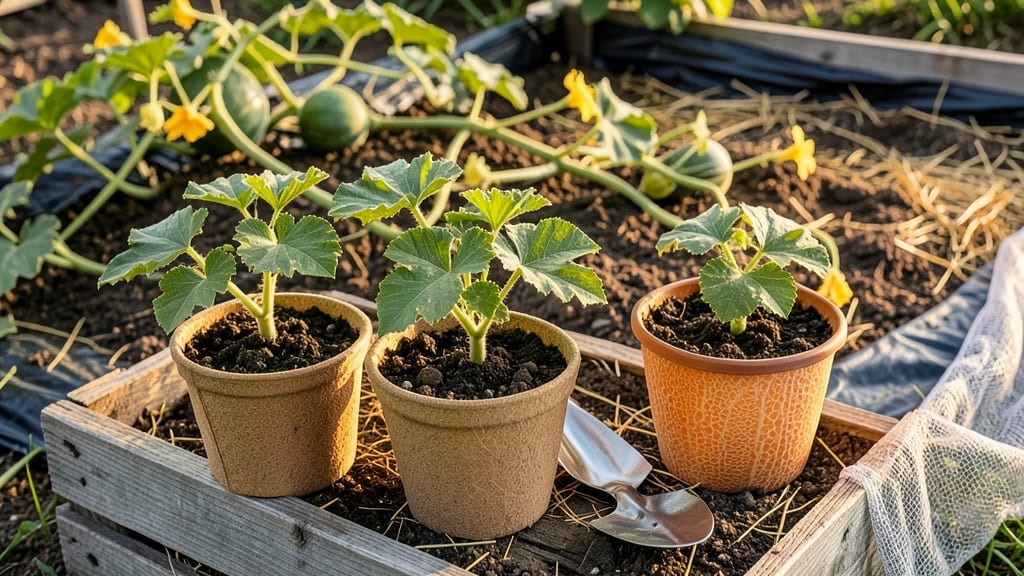
Knowing when to plant cantaloupe in Indiana can mean the difference between a bountiful harvest and wasted effort. The sweet, fragrant 🍈 you dream of won’t grow if you plant too soon—frost will nip those tender vines in the bud.
But get the timing right, and you’ll enjoy ripe melons straight from your garden by mid-summer.
Indiana’s USDA Zone 6a climate demands patience—waiting for soil to warm to at least 70°F is non-negotiable. That usually means holding off until after April 15, when the last frost typically passes. Whether you’re a seasoned gardener or just starting, this window is your golden ticket to juicy success.
Here’s the game-changer: cantaloupes thrive in warmth, but they can’t handle cool soil. I’ll show you how to test soil temperature and prepare your garden beds for peak growth. Plus, we’ll cover whether to start seeds indoors or go straight to the ground—spoiler, it depends on your local microclimate.
Once planted, consistent care keeps your vines happy and productive. From watering tips to fertilizing schedules, I’ve got the step-by-step guide to turn your Indiana garden into a cantaloupe paradise. Let’s dig in!
Indiana frost dates and ideal cantaloupe planting windows by zone
Indiana's microclimates create a 3-week difference in last frost dates—from early April in southern counties to late May in the northern tier. For cantaloupe, this means planting windows shift dramatically depending on where you live.
Most gardeners in USDA Zones 5-7 (covering 90% of Indiana) should aim for mid-April to mid-May, but let's break it down by zone to avoid frost damage or wasted heat.
Cantaloupes are heat-loving annuals that need 70-90°F soil temperatures to germinate. Planting too early—even after last frost—often leads to rotten seeds or stunted growth. Meanwhile, late plantings risk scorched vines before harvest.
The sweet spot? 2 weeks after soil warms to at least 70°F, which typically aligns with late April to early May for most Hoosiers.
Here’s how Indiana’s frost-free zones impact your planting schedule:
| Zone | Last Frost Date | Ideal Planting Window | Soil Temp Check | Best Varieties |
|---|---|---|---|---|
| 5 (Northern IN) | May 1-15 | May 15-June 1 | 75°F+ (use black plastic mulch) | 'Ambrosia', 'Hale’s Best' |
| 6 (Central IN) | April 15-30 | April 30-May 15 | 70°F+ (test with thermometer) | 'Athena', 'Crimson Sweet' |
| 7 (Southern IN) | March 20-April 15 | April 15-May 1 | 65°F+ (earlier germination) | 'Muskmelon', 'Early Golden' |
For northern Indiana gardeners (Zones 5-6), consider starting seeds indoors 3-4 weeks before your last frost date. Transplant seedlings outdoors only after nighttime temps stay above 55°F consistently. Southern Indiana growers can direct-sow outdoors as early as mid-April, but cover seeds with black plastic mulch to warm the soil faster.
Pro tip: Use early summer varieties like 'Early Golden' for northern zones—they mature in 70-75 days, giving you a harvest before Indiana’s late-summer heat peaks. Meanwhile, southern gardeners can opt for heat-tolerant varieties like 'Crimson Sweet' (85-day maturity) for a longer harvest window.
Remember, cantaloupe vines need 3-6 feet of space to sprawl. If your garden is small, try trellising or container growing with bush varieties like 'Tasty Bite.' Just ensure containers have drainage holes and are at least 12 inches deep.
Miss the spring window? Don’t despair—succession planting can extend your harvest into early fall. We’ll cover fall cantaloupe strategies in the next section, including cold-hardy varieties and season-extending tricks to beat Indiana’s early frosts.
🌱
Soil temperature and preparation: the hidden factor most Indiana gardeners miss
Cantaloupe seeds need soil temperatures between 70°F and 90°F to germinate properly. Planting too early—even after Indiana’s last frost date—often leads to seeds rotting in cold soil or sprouting too slowly. Many gardeners mistakenly focus only on air temperature, but soil warmth is critical for cantaloupe success.
Indiana’s northern zones (5-6) often struggle with slow soil warming, while southern zones (7-9) may reach ideal temperatures earlier. Without proper soil prep, your cantaloupe seeds could sit dormant for weeks, wasting your garden space and time.
To test soil temperature, use a soil thermometer (available for under $10) or a DIY method: press your hand into the soil—if it feels warm like bathwater, it’s ready.
For a quick fix, cover planting areas with black plastic mulch 1-2 weeks before planting to absorb sunlight and raise soil temperature faster.
⚠️ Warning: Cold Soil Kills Cantaloupe Seeds
Never plant cantaloupe seeds in soil below 70°F, even if air temperatures seem warm. Seeds will rot or fail to sprout, wasting your entire planting effort. Test soil temperature at planting depth (1 inch) for accuracy.
Amend your soil with compost or well-rotted manure to improve warmth retention and drainage. Sandy loam soils warm up faster than clay, so consider adding coarse sand or perlite if your garden soil is heavy.
Raised beds also heat up quicker than in-ground plots, making them ideal for early cantaloupe plantings.
For northern Indiana gardeners, consider using row covers or cold frames after planting to create a microclimate that speeds up soil warming. Remove covers once soil reaches 75°F consistently to avoid overheating.
Always monitor soil moisture—dry soil heats up faster than wet soil, so water lightly if needed before planting.
Pro tip: Plant cantaloupe seeds 1 inch deep and 2-3 feet apart in hills for better soil warming. Grouping seeds together creates a natural heat pocket, while proper spacing prevents overcrowding as vines spread. Mulch with straw after germination to maintain soil warmth and suppress weeds.