
Plants
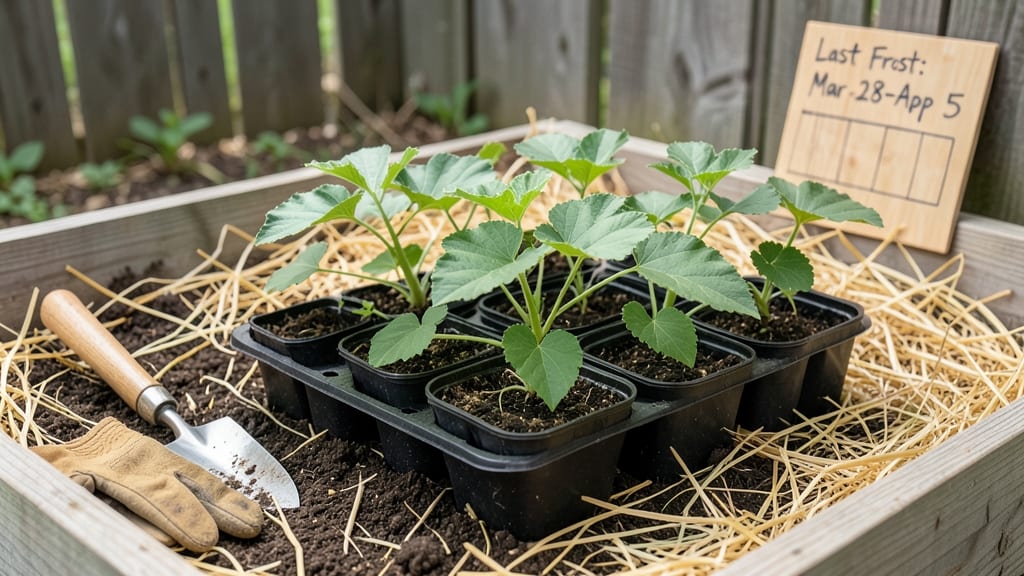
Timing your cantaloupe planting in Oklahoma isn’t just about the calendar—it’s about beating the heat and avoiding frost’s sneaky surprises. With USDA Zones 6a–8a and soil that can swing from chilly to scorching, getting it right means the difference between a bountiful harvest and wilting vines.
You’ve got just 6–8 weeks to grow these sweet melons from seed to ripe fruit, so planting too early risks frost damage, while waiting too long might leave you scrambling for space in a crowded summer garden.
The secret? Start seeds indoors 4–6 weeks before your last frost date (typically mid-April for central Oklahoma) or sow directly when soil hits 70°F+—usually late April to mid-May.
But here’s the twist: Southern Oklahoma’s warmer microclimates can handle earlier starts, while northern regions need to wait until May 1 to play it safe.
I’ll walk you through the exact dates for your corner of the state, plus pro tips to extend your cantaloupe season—so you’re not left with empty vines by summer’s end.
Ready to grow cantaloupes that rival the ones at the farmers’ market? Let’s dive into the heat-loving schedule that’ll turn your Oklahoma garden into a melon paradise.
Best planting windows for cantaloupe in Oklahoma’s climate zones
Cantaloupes thrive in Oklahoma’s heat, but timing is everything—plant too early, and a late frost will kill your vines; too late, and you’ll miss the 75–90-day harvest window before fall cools down.
The key is waiting for soil temperatures to hit 70°F+ and the last frost to pass, which varies dramatically across the state from March 15 in southern Oklahoma to April 15 in the north.
Southern Oklahoma (USDA Zones 7b–8a) has a longer growing season, giving gardeners a 6–8 week head start compared to northern regions. For example, Lawton gardeners can often plant by mid-March, while Oklahoma City typically waits until late April.
Tulsa falls in between, with ideal planting dates around April 1–15.
Here’s a quick reference for Oklahoma’s three main climate zones and their frost-free probabilities:
| Zone | Last Frost Date | Optimal Planting Window | Soil Temp Threshold | Harvest Window |
|---|---|---|---|---|
| Southern OK (e.g., Lawton, Altus) | March 15–April 1 | March 20–April 15 | 70°F+ (earlier with mulch) | June–September |
| Central OK (e.g., OKC, Tulsa) | April 1–15 | April 15–May 1 | 70°F+ (wait for consistency) | July–September |
| Northern OK (e.g., Ponca City, Enid) | April 15–May 1 | May 1–15 | 70°F+ (use black plastic mulch) | July–August (shorter season) |
For direct sowing (the preferred method for cantaloupes), scatter seeds ½ inch deep in hills spaced 3–5 feet apart. If you’re using transplants (less common due to cantaloupes’ sensitivity), harden them off for 7–10 days before setting them out after your last frost date.
Pro tip: Use a soil thermometer to confirm temperatures—cantaloupe seeds won’t germinate below 65°F, and growth stalls below 70°F. In cooler zones, lay down black plastic mulch 2–3 weeks before planting to accelerate soil warming by 5–10°F.
Oklahoma’s USDA Zones 6a–8a mean some years are more forgiving than others. For example, 2023’s early spring saw last frosts in Oklahoma City as late as April 22, pushing planting dates back by weeks. Always check your local Almanac or Oklahoma Mesonet for real-time updates.
Once planted, cantaloupes need consistent moisture and full sun to avoid bitter fruit. In Oklahoma’s 90°F+ summers, vines can wilt quickly—mulch heavily to retain soil moisture and prevent bolting (premature flowering).
For gardeners in Zone 8a (southern OK), you can even try a second planting in early June for a late-summer harvest, using fast-maturing varieties like ‘Athena’ (65 days) or ‘Hale’s Best’ (75 days). Just be prepared to hand-pollinate flowers if bees are scarce in the heat.
Remember: Cantaloupes are heat-lovers, but they’re also frost-intolerant. If you’re in northern Oklahoma, focus on early-maturing varieties and prioritize planting after May 1 to avoid fall frosts cutting your season short.
How to extend cantaloupe season in Oklahoma’s short growing window
Oklahoma’s short growing season and intense summer heat can make cantaloupe cultivation feel like a race against time. But with the right strategies, you can stretch your harvest from July to September—or even longer.
The key lies in early starts, fast-maturing varieties, and succession planting to keep your vines productive all season.
First, focus on soil warming. Cantaloupes need soil temperatures of 70°F+ to germinate, which can be tricky in Oklahoma’s unpredictable springs. Use black plastic mulch or row covers to raise soil temps faster.
This lets you plant 2–3 weeks earlier than the traditional window, giving your melons a head start before the real heat arrives.
🌱 3 Pro Tips to Extend Your Cantaloupe Season
- 📅 Start early with row covers or greenhouses to plant by mid-April in southern OK (e.g., Lawton) or late April in central OK (e.g., Oklahoma City).
- 🍈 Choose fast varieties like ‘Athena’ (60 days) or ‘Hale’s Best’ (75 days) to beat the heat. Avoid long-season types like ‘Ambrosia’ unless you’re in southern OK (Zone 8a).
- 🔄 Succession plant every 2 weeks from April to June for staggered harvests. Use small plots or containers to rotate crops efficiently.
Next, succession planting is your secret weapon. Instead of betting everything on one planting, sow small batches every 2 weeks from April through June. This ensures you’re always harvesting ripe melons while new vines take over.
For example, plant a first batch in late April, a second in early May, and a third in late May. By July, your earliest vines will be fruiting, while later batches keep the cycle going.
Don’t overlook shade cloth for late-season plants. Once temperatures climb above 95°F, cantaloupe vines can bolt prematurely or produce bitter, underripe fruit. A 30–50% shade cloth over new plantings in June or July can lower soil temps by 5–10°F, giving your melons time to mature.
Just remove the cloth by mid-August to avoid delaying ripening.
Finally, prioritize soil health to keep vines resilient. Cantaloupes are heavy feeders, but in Oklahoma’s clay-heavy soils, they also need good drainage. Mix in 2–3 inches of compost at planting and mulch heavily with straw to retain moisture.
Avoid over-fertilizing with nitrogen—it promotes leafy growth over fruit. Instead, use a balanced 10-10-10 fertilizer every 4–6 weeks once vines start running.
With these tactics, you can turn Oklahoma’s short growing window into a long, productive cantaloupe season. The payoff? Fresh, sweet melons from July through September—and maybe even a few stragglers into October if you’re lucky!
Just remember: start early, stay consistent, and protect your plants from the heat.