Plants
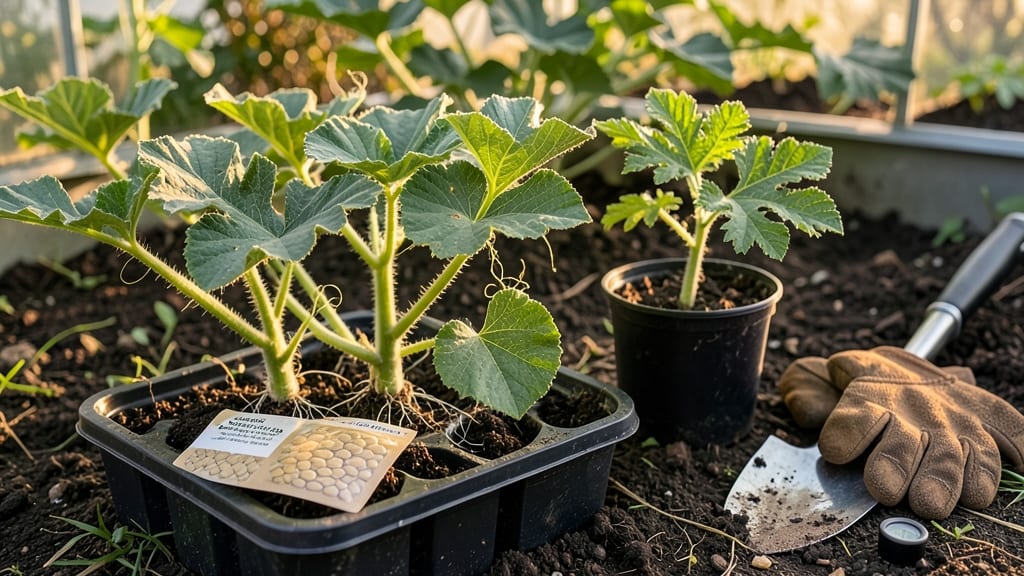
Planting cantaloupe at the wrong time in Zone 8b can turn your summer harvest into a gamble—too early and you’ll fight cool soil, too late and the heat might kill your vines before fruiting. The key to juicy, sweet melons lies in nailing that perfect window, and I’ve got the exact weeks you need to avoid common mistakes.
Zone 8b’s climate is a double-edged sword: long summers mean cantaloupe 🌱 thrives, but unpredictable spring warmth can trick you into planting too soon. Soil temperature is the real game-changer—wait until it hits at least 60°F before sticking seeds in the ground, or your vines will languish.
I’ll show you how to sync your planting with nature’s rhythm for a foolproof harvest.
Whether you’re a first-time gardener or a seasoned pro, these timing tips will help you pick the right heat-resistant varieties and avoid the pitfalls that ruin cantaloupe crops. Let’s cut through the guesswork and get you growing melons that’ll make your neighbors jealous.
Ready to transform your garden into a cantaloupe oasis? I’ll walk you through the ideal planting schedule, soil prep secrets, and even which companion plants keep pests away. Your summer harvest starts with one smart move—and it’s easier than you think.
Best planting weeks for cantaloupe in Zone 8b: soil temps & frost dates
Zone 8b’s long growing season and hot summers create perfect conditions for cantaloupe—but timing is critical. Planting too early risks chilly soil and stunted growth, while late planting may mean overripe fruit before fall’s first frost.
Aim for soil temperatures above 60°F, which typically occurs in late April to early May in most of Zone 8b.
For direct sowing, wait until after your last frost date (usually mid-April to early May in cities like San Antonio or Atlanta). If you’re using transplants, harden them off by late April and plant them 2-3 weeks later for optimal establishment.
Zone 8b’s humidity and heat demand quick action once the soil warms.
Here’s the golden window for planting cantaloupe in Zone 8b:
| Stage | Action | Zone 8b Timeline |
|---|---|---|
| Soil Prep | Test soil pH (6.0-6.8), add compost | Early April |
| Direct Sowing | Plant seeds 1" deep, 2-3" apart | Late April - Early May |
| Transplant | Move seedlings 12" apart, thin weak plants | Early May |
| Fertilize | Apply 5-10-10 fertilizer at flowering | June - July |
| Harvest | Pick when stem slips easily, skin is tan | July - September |
Zone 8b’s microclimates can shift planting windows by 1-2 weeks. Coastal areas like Savannah may see earlier soil warming, while inland cities like Dallas might need to wait until mid-May. Use a soil thermometer to confirm 60°F+ soil temps—this is your green light to plant.
For extended harvests, consider a second planting in early June. Choose heat-tolerant varieties like ‘Athena’ or ‘Hale’s Best’ for success in Zone 8b’s sweltering summers. These varieties thrive in 90°F+ heat and high humidity, reducing the risk of blossom drop or bitter fruit.
If you’re in northern Zone 8b (e.g., Nashville), err on the side of planting later (early May) to avoid late spring frosts.
Southern Zone 8b (e.g., Houston) can plant as early as late March in protected beds, but monitor nighttime temps—cantaloupe won’t tolerate below 50°F.
Pro tip: Mulch heavily after planting to retain soil moisture and speed up warming. Black plastic mulch can raise soil temps by 5-10°F, giving your cantaloupe a head start in cooler springs. Just remove it before flowering to avoid overheating roots.
Remember, cantaloupe needs heat to develop sweetness. Planting in Zone 8b’s peak summer months (June-July) can still yield fruit, but expect smaller, less flavorful melons. For the best balance of size and sweetness, stick to the late April-early May window and harvest by September.
🌱
Best planting weeks for cantaloupe in Zone 8b: soil temps & frost dates
Zone 8b’s long growing season and intense summer heat make it ideal for cantaloupe—but timing is critical. Planting too early risks frost damage, while late planting may result in underripe fruit before fall’s first chill.
The key is waiting for soil temperatures to hit at least 60°F and air temperatures to stay above 50°F consistently.
In most of Zone 8b, this typically means mid-April to early May for direct sowing. However, coastal areas (like parts of California) may start slightly earlier, while inland desert regions (like Arizona) can delay until late March.
Always check your local last frost date—cantaloupe is extremely frost-sensitive and won’t survive even light freezes.
For maximum yield, aim to plant 2-3 weeks after your last frost date. This gives seedlings time to establish roots before summer’s brutal heat sets in. If you’re using transplants, start them indoors 3-4 weeks before your target outdoor date to give them a head start.
Hardening off seedlings is non-negotiable—cantaloupe hates sudden temperature shifts.
| Stage | Action | Zone 8b Timeline |
|---|---|---|
| Soil Prep | Test pH (6.0-6.8), amend with compost | February-March |
| Seed Starting (Indoors) | Sow seeds 3-4 weeks before last frost | Mid-March to early April |
| Direct Sowing | Plant when soil hits 60°F+ | Mid-April to early May |
| Transplanting | Move hardened-off seedlings outdoors | Late April to early May |
| First Harvest | 75-90 days after planting | Late June to August |
Don’t be tempted to rush planting—cold soil stunts root growth, leaving vines vulnerable to wilting and rot. Use a soil thermometer to confirm readiness; 60°F is non-negotiable.
If your area has unpredictable spring temps, opt for transplants from a nursery to avoid delays. Just ensure they’re acclimated to your climate before planting.
For second plantings, late June can work if your zone has a long enough growing season (e.g., parts of Texas or Southern California).
However, this is risky in cooler microclimates—prioritize one strong planting over multiple weak ones. Succession planting is better suited for shorter-season zones like 7 or 9.
Pro tip: Mulch heavily after planting to retain soil moisture and regulate temperature. Cantaloupe hates soggy roots but thrives with consistent warmth. A 3-inch layer of straw keeps roots happy while suppressing weeds—double the benefit in Zone 8b’s intense sun. ☀️